

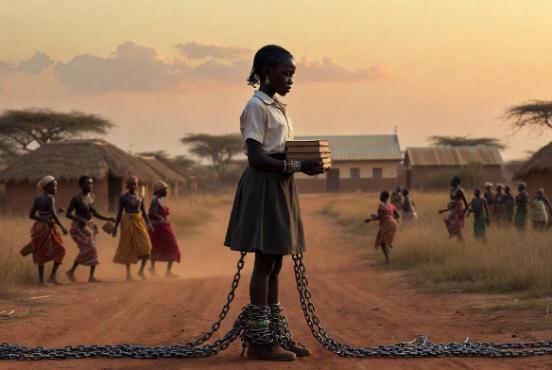
Across Africa, culture has always played a powerful role in shaping identity, family life, and community values. Traditions passed down through generations have preserved language, strengthened kinship, and given people a sense of belonging. However, not every cultural practice has been kind, especially to the girl child.
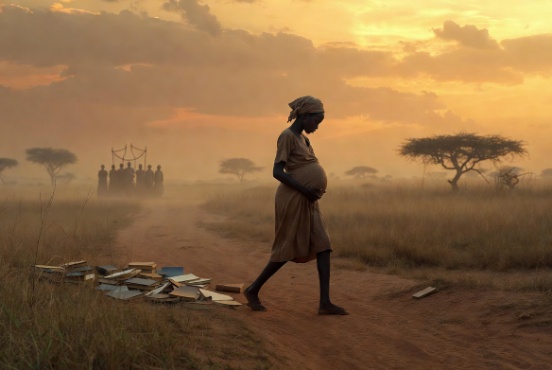
In many ancient African societies, certain customs placed girls at a disadvantage within their own families. These practices were often justified as “tradition” or “protection,” but in reality, they limited girls’ freedom, opportunities, and voices.
20 Unrealistic Expectations That Can Break A Marriage Before It Begins
This is not about condemning African culture. It is about honestly examining parts of history so families today can make better choices for their daughters. Let’s explore some of these practices and how they affected everyday life, relationships, and the future of the girl child.
1. Preference for the Male Child
In many ancient African societies, families placed a higher value on male children. Boys were seen as heirs, protectors, and carriers of the family name, while girls were often viewed as temporary members who would marry into another family.
This preference affected how children were treated at home. Boys were given better food, more attention, and greater investment in their future. Girls, on the other hand, were often raised with the understanding that they were “less important.”
A girl growing up in such a home might feel invisible or less loved, be denied education while her brother attended school, and be raised only for marriage rather than personal growth. Over time, this created emotional distance within families. Many women carried feelings of rejection and low self-worth into adulthood.
2. Early Marriage
In some cultures, girls were married off at a very young age. Sometimes, even before reaching puberty. This was often done to strengthen family ties, settle debts, or protect a girl’s “purity.”
Families believed they were doing what was best. But in reality, early marriage took girls away from their childhood homes too soon, forced them into adult responsibilities before they were ready, and cut off education and personal development.
Imagine a young girl leaving her parents, siblings, and familiar environment to live with strangers as a wife. The emotional impact was deep; loneliness, fear, and confusion were common. For the family she left behind, it also meant losing a daughter not to growth, but to obligation.
3. Limited Access to Education
Education was often reserved for boys in traditional societies. Girls were expected to learn domestic skills instead, such as cooking, cleaning, and childcare. Therefore, silencing potential.
Within families, this created a clear divide. Boys were prepared for leadership and decision-making. On the other hand, girls were prepared for service and submission
Parents may have believed they were equipping their daughters for marriage, but they unknowingly limited their ability to think independently, earn income, and contribute meaningfully beyond the home. This imbalance affected entire families. Educated women tend to raise healthier, more informed children. By denying girls education, families weakened their own future.
4. Inheritance Restrictions
In many ancient African cultures, inheritance was strictly passed through the male line. Girls were excluded because they were expected to marry and join another family. This meant that daughters had no claim to land or property, widows often depended on male relatives to survive, and sisters were sidelined in family decisions.
Within families, this created tension and inequality. A daughter could grow up contributing to the household but be left with nothing when her parents passed away. It also made women financially dependent, which reduced their voice within both their birth and marital homes.
5. Female Genital Cutting (FGC)
In some cultures, female genital cutting was practised as a rite of passage or a way to prepare girls for marriage. It was believed to preserve purity and make girls more acceptable wives.
This practice was often carried out by women within the family, mothers, grandmothers, and aunts, who believed they were protecting the girl’s future. But the reality was harsh; it entailed severe physical pain and health risks, emotional trauma, and a sense of betrayal from trusted family members.
For many girls, the people meant to protect them became the ones who hurt them. This damaged trust within families and left lasting scars.
6. Domestic Roles Over Personal Dreams
Girls were trained from a young age to prioritise household duties over personal ambitions. Their value was tied to how well they could serve others.
In many homes, girls woke up early to cook and clean, they cared for younger siblings while boys played or studied, and their dreams were rarely discussed or encouraged.
This created a pattern where girls learned to put themselves last. Even in adulthood, many women struggle to prioritise their own needs because of how they were raised. Families unknowingly passed down cycles of self-sacrifice without empowerment.
7. No Voice at the Table
Girls were often taught to be quiet, respectful, and obedient at all times. Speaking up, especially in the presence of elders or men, was discouraged. In family settings, boys were encouraged to express opinions, while girls were expected to listen and agree.
This limited a girl’s confidence and ability to communicate. It also meant that abuse could go unreported, ideas and talents remained hidden, and decision-making excluded half the family. A home where girls cannot speak is a home that loses valuable insight and balance.
8. Widowhood Practices
In some traditions, widows were subjected to harsh rituals after their husbands’ deaths. These could include isolation, forced mourning practices, or even being inherited by a male relative.
These practices affected not just the widow, but her children, especially her daughters. Girls witnessed their mothers being humiliated or controlled, family structure being disrupted, and fear about their own future. Instead of being protected during grief, women and their children often faced additional hardship.
9. Polygamy Without Protection
While polygamy existed in many African cultures, it often placed women in competitive and unequal positions, especially when there were no clear protections or fairness.
In such homes, resources were divided unevenly, children competed for attention and support, and mothers struggled to secure a stable future for their daughters. Girls growing up in these environments sometimes felt insecure and overlooked, especially if their mother had less influence.
10. Bride Price Misinterpretation
Bride price (or dowry) was traditionally a way to honour the bride’s family. However, over time, it became misunderstood in some areas as “payment” for a wife.
This shift affected how girls were treated. Some families saw daughters as financial assets. Girls were pressured into marriages for economic gain. Abuse in marriage was tolerated because “money was paid.” This reduced a girl’s value to a transaction rather than a human being with rights and dignity.
Healing Through Awareness
It is important to say this clearly. Not all African traditions were harmful and many communities treated girls with dignity and respect. However, the practices discussed above did exist, and their effects can still be seen today.
So, what can families do today to compensate for these past hurts?
* Value daughters equally: Love, support, and invest in them just as much as sons
* Encourage education: Education is one of the greatest tools for empowerment
* Listen to girls: Give them a voice in family matters
* Challenge harmful traditions: Culture should evolve, not harm
* Teach self-worth: Help girls see their value beyond marriage
Conclusion
The story of the African girl child is not only one of struggle. It is also one of strength, resilience, and transformation.
Families hold the power to rewrite this story. By learning from the past and making conscious choices today, we can raise a generation of girls who are confident, valued, and free to become everything they were created to be.
After all, tradition should be a foundation, not a cage.