

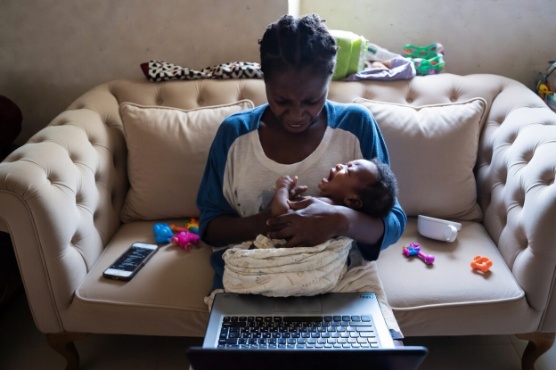
There was a time when parenting was often seen as a clearly defined role. One parent, usually the mother, stayed at home while the other worked to provide. Extended families lived close by, neighbours looked out for one another, and communities played an active part in raising children. In many ways, parenting felt shared, even if it was not always recognised as such.
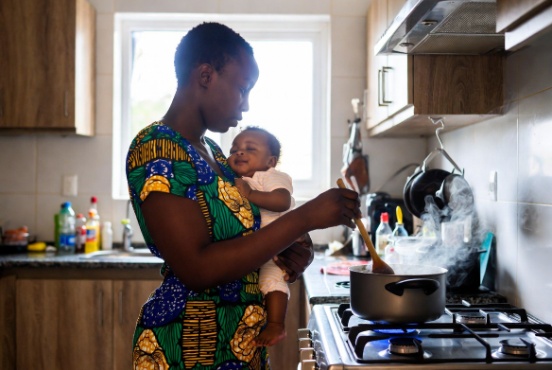
Today, everything has changed. Modern parenting has become more complex, more demanding, and, in many cases, more isolating. The idea that one person can carry the full weight of raising a child is no longer realistic. In truth, parenting today requires a team; whether that team is made up of partners, family members, teachers, friends, or even digital support systems.
New Age Children Feel More Anxious Than Ever (How You Can Help Them)
This shift is not a sign of weakness. It is a reflection of the world we now live in.
1. The Pressure on Today’s Parents Has Grown. Raising a child in today’s world comes with expectations that simply did not exist a generation ago. Parents are expected to be emotionally available, financially stable, mentally present, socially aware, and digitally informed; all at the same time.
Children are growing up in a fast-moving world filled with technology, social media, academic competition, and social pressures. Parents are not just caregivers anymore; they are mentors, counsellors, teachers, and protectors in a much more complicated environment.
Trying to meet all these expectations alone can quickly lead to exhaustion. Many parents feel overwhelmed, not because they are failing, but because the role itself has expanded beyond what one person can reasonably manage.
2. Dual-Income Households Are Now the Norm. In many families today, both parents work. This is often necessary to meet the rising cost of living. While this brings financial stability, it also creates time constraints.
When both parents are juggling careers and family life, there is less time and energy for the day-to-day responsibilities of raising children. School runs, homework support, emotional check-ins, meal preparation, and household tasks all compete for attention.
Without support, this balancing act can become stressful. This is why shared parenting responsibilities and external help, whether from relatives, childcare providers, or trusted friends, have become essential rather than optional.
3. The Role of Extended Family Has Changed. In the past, grandparents, aunts, uncles, and even neighbours were actively involved in raising children. Today, many families live far away from their extended relatives due to work or other commitments.
This physical distance has reduced the everyday support that families once relied on. Parents who might have had help from grandparents now find themselves handling everything alone.
However, this does not mean support is impossible. It simply means parents must be more intentional about building their own networks, whether through friendships, community groups, or local organisations.
4. Emotional Support Is More Important Than Ever. Modern parenting is not just about meeting physical needs. It is about understanding emotions, building trust, and supporting mental well-being.
Children today face challenges such as anxiety, peer pressure, and the influence of social media. Supporting them through these issues requires emotional energy, patience, and awareness.
No parent can pour from an empty cup. Having someone to talk to, a partner, friend, or support group, can make a significant difference. Emotional support for parents is just as important as emotional support for children.
5. Technology Has Changed the Parenting Landscape. Technology has brought both benefits and challenges. Parents now have access to information, parenting advice, and online communities. At the same time, they must navigate screen time, online safety, and digital behaviour.
Keeping up with these changes can be overwhelming, especially for one person. Sharing knowledge and experiences with others can help you stay informed and make better decisions.
Online parenting communities, for example, have become a valuable source of support, offering advice, reassurance, and a sense of belonging.
6. Mental Health Awareness Has Increased. There is now greater awareness of the importance of mental health for both parents and children. This is a positive shift, but it also adds another layer of responsibility.
Parents are expected to recognise signs of stress, anxiety, or behavioural changes in their children and respond appropriately. This requires time, attention, and sometimes professional guidance.
Having a support system makes it easier to manage these responsibilities. It allows parents to seek advice, share concerns, and avoid feeling isolated.
7. Parenting Is No Longer One-Size-Fits-All. Every child is different, and there is no single “correct” way to raise them. This can make parenting feel uncertain at times.
In the past, people often followed traditional methods without question. Today, parents are encouraged to think critically, adapt, and make informed choices.
While this flexibility is empowering, it can also be confusing. Having others to share ideas with can provide clarity and confidence.
The Importance of Shared Responsibility
Parenting works best when it is shared. This does not only apply to couples; it extends to anyone involved in a child’s life.
When responsibilities are shared, the load becomes lighter. One person can handle school-related tasks while another focuses on emotional support. One can cook while the other helps with homework. This teamwork creates a more balanced environment, both for the parents and the child. It also teaches children the value of cooperation and community.
Building Your Parenting Support System
If parenting is no longer a one-person job, the question becomes: how do you build a support system? It starts with recognising that you do not have to do everything alone. This mindset shift is powerful.
Reach out to family members, even if they live far away. Stay connected through calls or messages. Build friendships with other parents who understand your experiences. Join community groups or school networks.
Do not hesitate to ask for help when you need it. Whether it is someone to watch your child for a few hours or simply someone to talk to, support can make all the difference.
Letting Go of the “Super Parent” Myth
Many parents feel pressure to do everything perfectly. Social media often adds to this pressure, showing carefully curated images of family life.
The truth is, no one has it all together all the time. Letting go of the idea that you must do everything alone and do it perfectly can be freeing. Parenting is not about perfection; it is about connection, consistency, and care.
The Power of Community in Raising Children
There is a saying: “It takes a village to raise a child.” This idea is more relevant today than ever. Children benefit from having multiple positive influences in their lives. Teachers, relatives, family friends, and mentors all contribute to their growth.
A strong community provides children with different perspectives, experiences, and support systems. It also gives parents the reassurance that they are not alone in their journey.
A New Way of Thinking About Parenting
Modern parenting is not harder because parents are weaker. It is harder because the world has changed. Recognising that parenting requires support is not a failure; it is wisdom.
By building strong networks, sharing responsibilities, and prioritising both your well-being and your child’s, you create a healthier, happier environment for your family.
Conclusion
Parenting today is a journey that cannot and should not be walked alone. The demands are too great, the challenges too complex, and the stakes too high. But there is good news.
When parents come together, when communities support one another, and when the pressure to do everything alone is lifted, parenting becomes not just manageable but meaningful.
Remember, you are not meant to carry it all by yourself and you do not have to.