

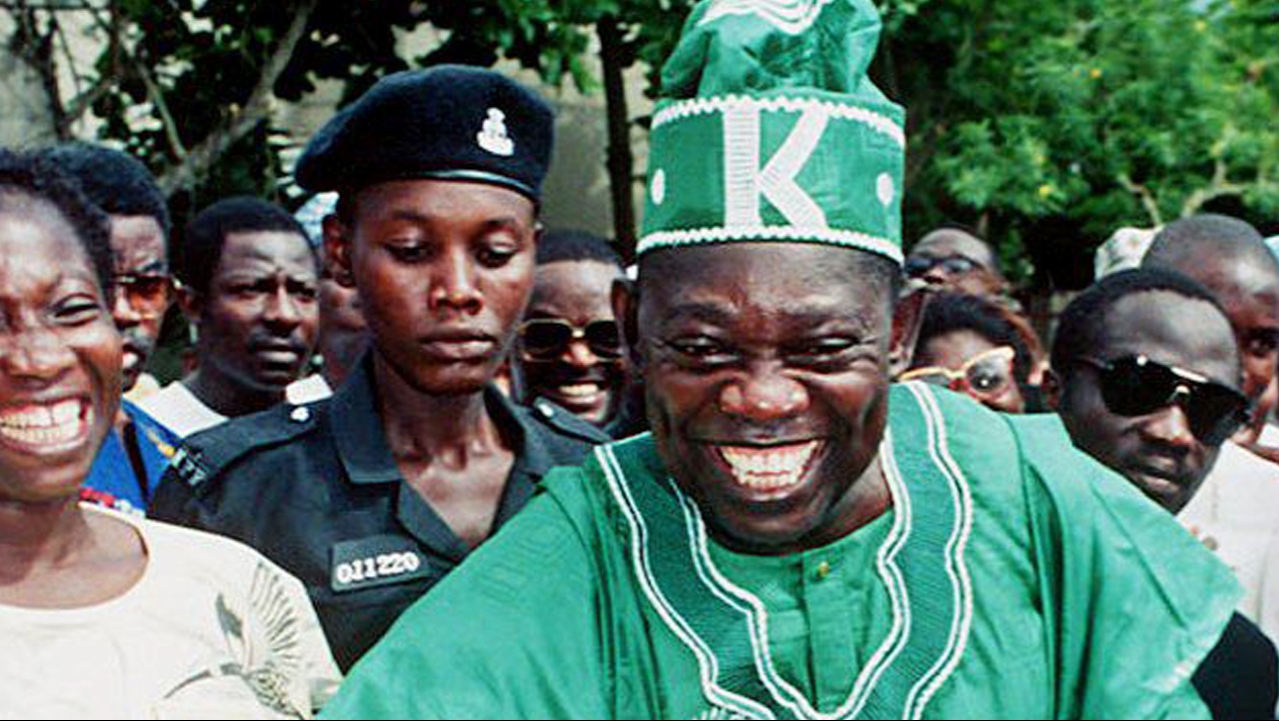
Every year, Nigerians celebrate June 12 as Democracy Day, a date that symbolizes the country's struggle for democratic governance. While many people know that Chief Moshood Kashimawo Olawale (MKO) Abiola won the June 12, 1993 presidential election, there are several fascinating facts about both the man and the historic election that remain unknown to many Nigerians.
As the nation commemorates Democracy Day, here are 21 things many people don't know about MKO Abiola and June 12.
1. June 12, 1993 Election Is Widely Regarded as Nigeria's Freest Election
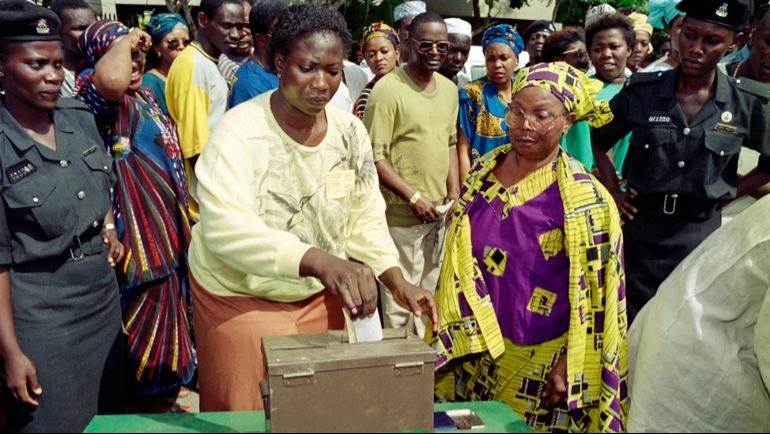
Many local and international observers described the June 12 presidential election as the fairest, freest, and most credible election in Nigeria's history.
2. MKO Abiola Won Across Religious and Ethnic Lines
Despite being a Yoruba Muslim from the South-West, Abiola received overwhelming support from different ethnic groups and religions across the country, proving that Nigerians could vote beyond tribal and religious sentiments.
3. He Contested Under the Social Democratic Party (SDP)
Abiola ran on the platform of the Social Democratic Party (SDP), one of the two political parties created by the military government.
4. His Running Mate Was Also a Muslim
Abiola selected Babagana Kingibe, another Muslim, as his running mate. Despite concerns, Nigerians largely focused on competence rather than religion during the election.
5. He Defeated Bashir Tofa
Abiola's main opponent was Bashir Tofa of the National Republican Convention (NRC), whom he defeated convincingly.
6. The Election Results Were Never Fully Announced
Although the election results had already indicated a clear victory for Abiola, the military government annulled the election before the final official declaration.
7. The Annulment Triggered National Protests
The cancellation of the election sparked widespread protests, strikes, and civil unrest across Nigeria.
8. MKO Abiola Was a Successful Businessman Before Politics
Long before entering politics, Abiola built a successful business empire and became one of Africa's most prominent entrepreneurs.
9. He Was Known for His Philanthropy
Abiola supported thousands of students, religious organizations, community projects, and individuals through scholarships and charitable donations.
10. He Donated to Both Christians and Muslims
One remarkable aspect of his philanthropy was that he supported churches, mosques, and religious organizations regardless of denomination.
11. He Was Popular Across Africa
Abiola's influence extended beyond Nigeria. He was respected in several African countries for his business success and humanitarian activities.
12. He Declared Himself President in 1994
Following the annulment of the election, Abiola publicly declared himself the rightful president of Nigeria in June 1994.
13. He Was Arrested for Treason
Shortly after declaring himself president, the military government arrested and detained him on charges of treason.
14. He Spent Four Years in Detention
Abiola remained in detention from 1994 until his death in 1998, refusing to renounce his claim to the presidential mandate.
15. His Wife, Kudirat Abiola, Became a Symbol of Resistance
His wife, Kudirat Abiola, actively campaigned for the restoration of the June 12 mandate and became one of the leading voices against military rule.
16. Kudirat Abiola Was Assassinated
In 1996, Kudirat Abiola was assassinated in Lagos, an event that shocked the nation and intensified calls for democracy.
17. MKO Abiola Died Before Assuming Office
Despite winning the election, Abiola never occupied the office of President of Nigeria. He died in detention on July 7, 1998.
18. June 12 Was Not Always Democracy Day
For many years, Nigeria celebrated Democracy Day on May 29, the date military rule ended in 1999.
19. June 12 Became Democracy Day in 2018
In 2018, former Nigerian President Muhammadu Buhari officially recognized June 12 as Nigeria's Democracy Day.
20. MKO Abiola Was Posthumously Awarded GCFR
The same year, Abiola was posthumously awarded the Grand Commander of the Federal Republic (GCFR), an honor usually reserved for Nigerian presidents.
21. June 12 Represents More Than an Election
For many Nigerians, June 12 is not just about MKO Abiola. It represents the sacrifices made by countless activists, journalists, students, labor leaders, and ordinary citizens who fought for democratic governance in Nigeria.
Why June 12 Still Matters Today
June 12 remains a powerful reminder that democracy often comes at a price. The sacrifices of MKO Abiola, Kudirat Abiola, and many pro-democracy activists continue to inspire Nigerians to defend freedom, justice, accountability, and good governance.
As families across Nigeria celebrate Democracy Day, the lessons of June 12 remind us that the future of democracy depends on active citizens who are willing to protect the rights and freedoms earned through years of struggle.
More than three decades after the historic election, MKO Abiola's name remains synonymous with courage, sacrifice, and democratic ideals. June 12 stands as one of the most important dates in Nigeria's history, a day that reminds every Nigerian that the people's voice must always count.

Comments (0)
Please sign in to join the conversation.
Loading comments...