

June 12 is one of the most significant dates in Nigeria's political history. It symbolizes the struggle for democracy, justice, free elections, and the right of Nigerians to choose their leaders. Today, it is celebrated annually as Nigeria's Democracy Day, but the journey to that recognition took more than 25 years.
Between 1983 and 1999, Nigeria was largely under military rule. In 1985, General Ibrahim Babangida came to power and promised a transition to democratic government.
After several delays and political reforms, the military government organized a presidential election for June 12, 1993. Two government-approved political parties contested the election:
Social Democratic Party (SDP)
National Republican Convention (NRC)
The SDP candidate was Moshood Kashimawo Olawale Abiola, popularly known as MKO Abiola, while the NRC candidate was Bashir Tofa.
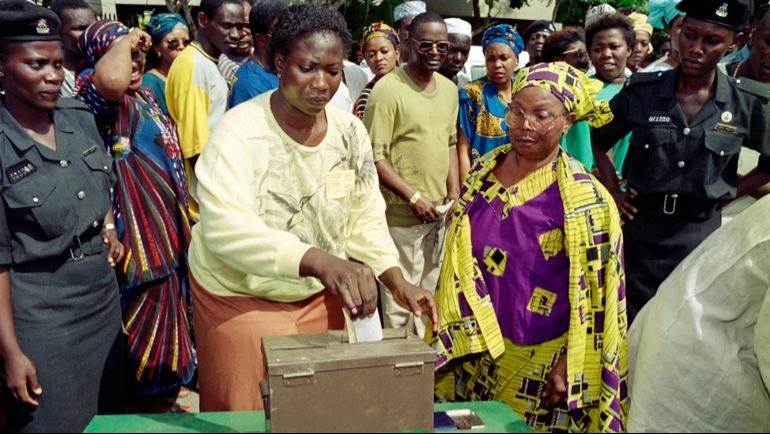
On June 12, 1993, Nigerians voted in what is widely regarded as the freest, fairest, and most peaceful election in the country's history. Nigerians voted across ethnic, religious, and regional lines.
Early results showed that MKO Abiola was winning convincingly and was on course to become Nigeria's first democratically elected president after years of military rule.
Many observers still consider the election a model for electoral transparency in Nigeria.
Before the final results were officially announced, the military government unexpectedly annulled the election on June 23, 1993.
The decision shocked Nigerians and triggered nationwide protests, strikes, and international condemnation. Many Nigerians viewed the annulment as the theft of a democratic mandate that had been freely given by the people.
The annulment plunged Nigeria into one of the most turbulent political crises in its history.
Following the annulment, pro-democracy activists, journalists, labour unions, students, civil society groups, and political leaders began a sustained campaign for the restoration of Abiola's mandate.
Prominent figures in the struggle included:
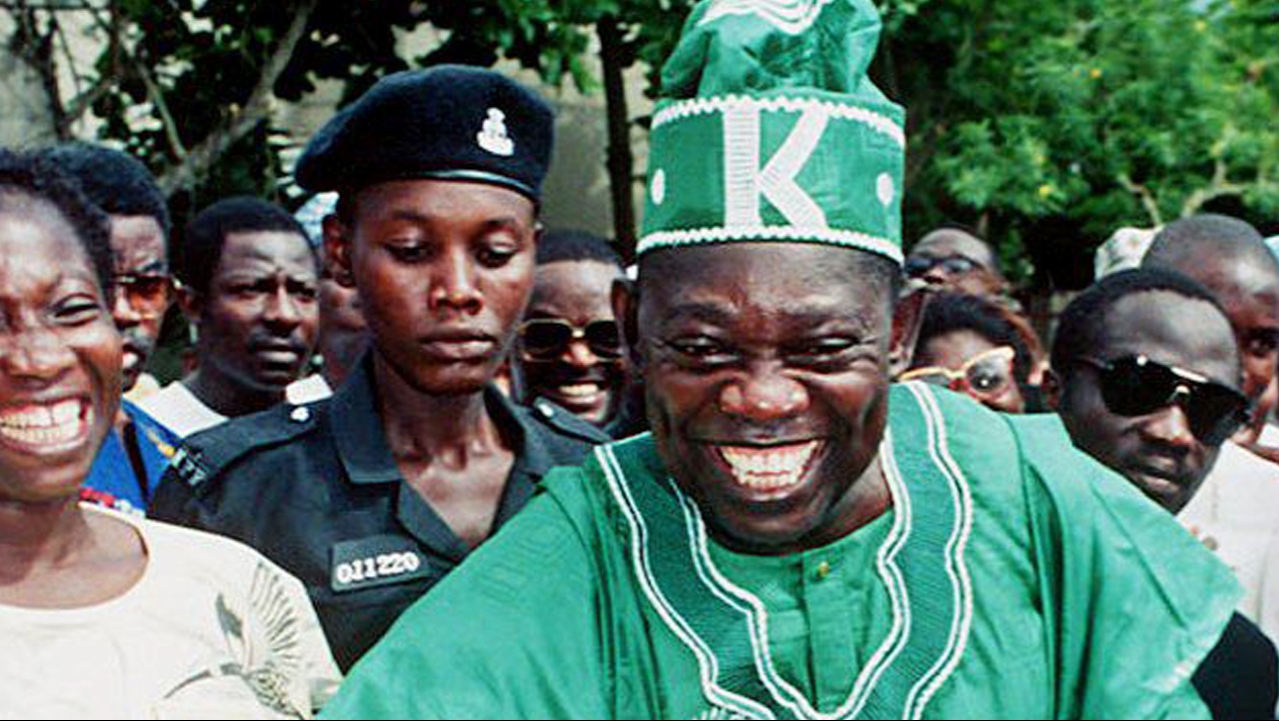
MKO Abiola
Kudirat Abiola
Gani Fawehinmi
Wole Soyinka
Members of the National Democratic Coalition
Labour leaders and student activists
Many activists were arrested, exiled, detained, or killed during the struggle.
In 1994, MKO Abiola publicly declared himself the rightful winner of the June 12 election and demanded recognition of his mandate.
The military government arrested him and charged him with treason. He remained in detention for years.
On July 7, 1998, MKO Abiola died while in government custody, just as negotiations for his release were progressing.
His death shocked the nation and intensified calls for democratic rule. Many Nigerians regarded him as a martyr of democracy.
Following the death of General Sani Abacha in 1998 and the subsequent transition programme, Nigeria returned to civilian rule on May 29, 1999.
Olusegun Obasanjo was sworn in as president, marking the beginning of the Fourth Republic.
From 2000 to 2018, May 29 was celebrated as Nigeria's Democracy Day because it marked the handover from military rule to civilian government.
For many years, Nigerians, particularly democracy activists, argued that June 12 deserved greater national recognition because it represented the actual democratic will of the people.
Several southwestern states, especially Lagos and Osun, observed June 12 as "Abiola Day" before it became a national holiday.
The argument was simple:
May 29 marked the transfer of power, but June 12 represented the people's mandate.
On June 6, 2018, President Muhammadu Buhari officially declared June 12 as Nigeria's new Democracy Day.
He described the June 12 election as the most credible election in Nigeria's history and argued that it better represented the nation's democratic aspirations.
Buhari also:
Awarded MKO Abiola the posthumous Grand Commander of the Federal Republic (GCFR).
Honoured Abiola's running mate, Baba Gana Kingibe.
Honoured Gani Fawehinmi for his role in the democratic struggle.
In 2019, legislation formally replaced May 29 with June 12 as Nigeria's official Democracy Day and national public holiday.
Since then, every June 12 has been dedicated to celebrating democracy and remembering the sacrifices of those who fought for democratic governance.
June 12 is more than a public holiday. It represents:
The power of the people's vote.
Resistance against dictatorship.
The sacrifice of democracy activists.
The importance of free and fair elections.
National unity across ethnic and religious divides.
The election is especially remembered because Nigerians voted largely based on competence rather than ethnic or religious identity, making it one of the most unifying moments in the nation's political history.
The legacy of June 12 is the reminder that democracy was not freely handed to Nigerians; it was won through sacrifice, persistence, and the courage of citizens who demanded that their votes count. More than three decades later, June 12 remains a symbol of hope, justice, and the continuing quest for a better Nigeria.


Comments (0)
Please sign in to join the conversation.
Loading comments...