

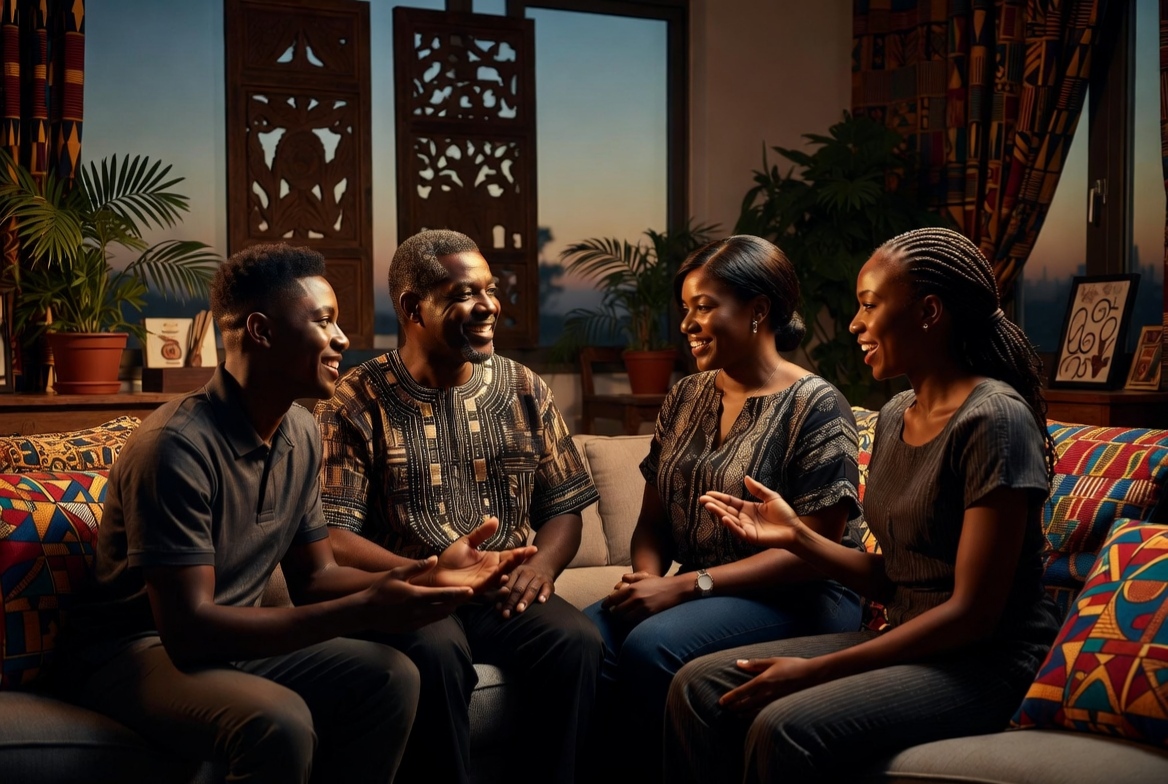
The living room in their modest home on the outskirts of Calabar still carried the familiar scent of afang soup and garri from dinner when Etim and Arit, the 18-year-old twins, dimmed the lights and switched on their makeshift “Anti-Regrets Lantern.” It was a simple solar-powered camping light they had decorated with colourful beads and handwritten notes, but tonight it felt like a spotlight on their parents’ lives. “Mummy, Daddy,” Etim began, his voice steady yet playful, “we have watched you both for years. Today, we are not asking for pocket money. We are giving you something better — the light to stop collecting regrets.”
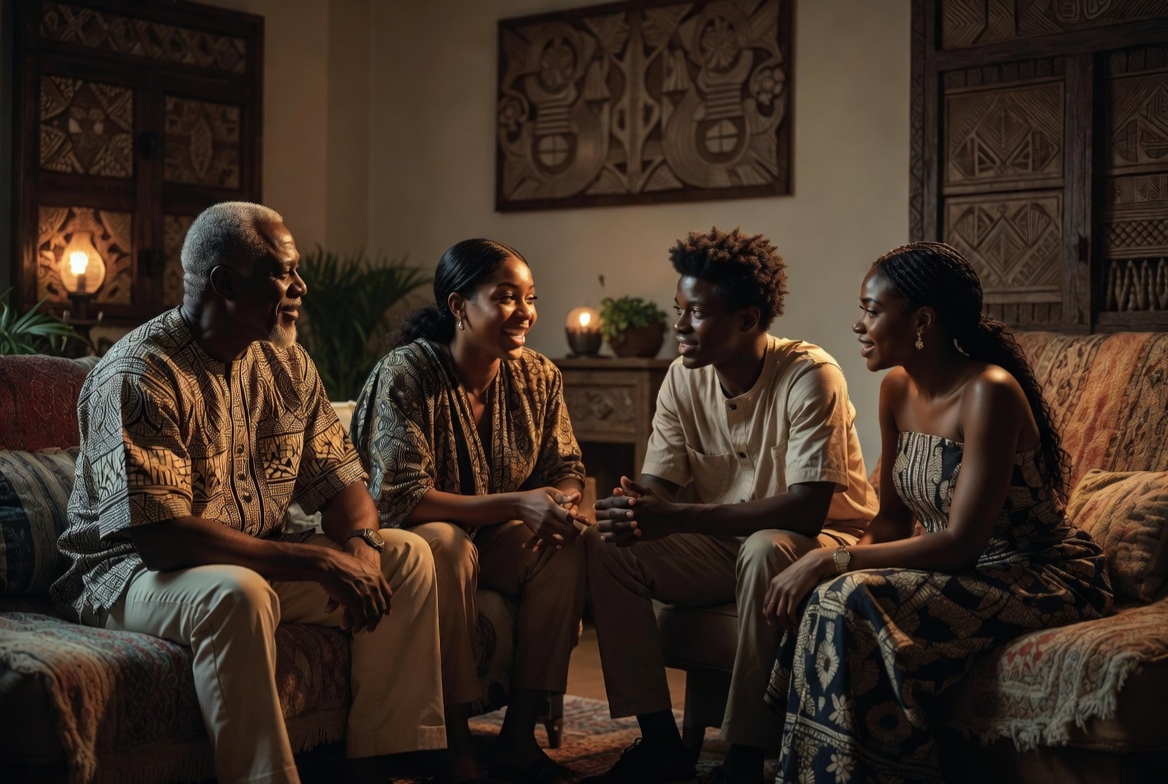
Ini Asuquo, their mother, laughed softly at first, wiping her hands on her wrapper, while Ekpenyong, their father, leaned back in his favourite plastic chair with that familiar mix of pride and exhaustion. The couple had built a life together in Cross River, navigating the usual currents of Nigerian family existence — school fees, hospital bills, market prices that refused to stay still, and the quiet weight of dreams deferred. But as their children performed, the room filled with a different energy, one that mixed laughter, nostalgia, and the sharp sting of recognition.
It all started a few weeks earlier, during one of those long power outages when the family gathered under the mango tree. Etim and Arit had overheard their parents talking late into the night. Ekpenyong regretted pushing hard for civil service stability instead of nurturing the small carpentry skills he loved as a young man in Akpabuyo. Ini spoke quietly about wishing she had learned basic bookkeeping earlier instead of relying solely on trading at Watt Market. The twins listened, hearts heavy, and decided it was time to act — not with lectures, but with a story of their own.
Flashback to 2005: The Early Years of Hustle and Hope
When Ekpenyong and Ini married in the mid-2000s, life felt full of possibility. He had just secured a job with the state ministry after years of youth service, while she managed a small provisions stall. Cross River’s vibrant culture — the Christmas carnivals, the rich Efik-Ibibio heritage of resilience and community, wrapped around them like a warm shawl. Yet challenges arrived quickly. Raising twins in a growing city meant balancing feeding, school fees, and the constant pressure to “settle down properly.”
Ekpenyong remembered vividly the day he turned down an opportunity to partner with a cousin on a furniture-making business. “Stable salary is better for family,” elders advised and he listened. Years later, during promotions that came slowly and retrenchment scares, that decision sat like an unlit lantern in his mind. Ini, meanwhile, had paused her own plans to expand her trading after the children were born. “Children first,” she told herself, a sentiment many mothers in their circle echoed. Both choices were made from love, yet they carried hidden costs.
The twins wove these memories into their performance, acting out scenes with exaggerated but loving humour. Arit played young Ini haggling at the market while juggling imaginary babies; Etim mimicked Ekpenyong at his office desk, stamping files while dreaming of woodwork. The parents chuckled, but the message landed.
The First Anti-Regrets Light: Career and Passion Alignment
Etim stepped forward under the lantern’s glow. “Daddy, you always say ‘finish school first.’ But what if school is not the only road?” He shared how, at 18, many of his mates felt lost choosing courses based on parental dreams or “lucrative” fields like engineering, only to graduate into frustration. The twins had started small side projects — Etim learning basic coding online through free resources and fixing neighbours’ gadgets, Arit combining her love for fashion with bead-making inspired by local Calabar styles.
Practical step one, they explained: Take inventory now. Sit with a notebook this weekend and list what you enjoy doing, what you are good at, and what the market needs. For parents, this might mean exploring skill upgrades even in mid-life such as a short course in digital marketing for traders, or vocational training in areas like renewable energy tech that Nigeria increasingly needs. “It is not about abandoning responsibilities,” Etim noted. “It is about adding light to them.”
Many families face this: the pull between passion and provision. The insight here is gentle but firm — starting small today prevents the deep regret of “what if” tomorrow. Voices from life coaches often echo this: alignment reduces burnout and models resilience for children.
The Second Light: Family Presence Over Perfect Provision
Arit took the stage next, her voice warm like sunshine on the creek. “Mummy, remember when you missed our school play because of market rush? We understood, but we also felt it.” Ini’s eyes glistened. The performance flashed back to hurried mornings, endless evenings of “just one more customer,” and weekends swallowed by chores.
The practical guidance was relatable: Schedule “unnegotiable family lights.” It could be as simple as device-free dinner twice a week or a monthly no-agenda outing to Tinapa or a local beach. For fathers like Ekpenyong, it meant leaving work stress at the gate sometimes and truly listening. In Nigerian reality, where extended family and financial pressures tug constantly, presence is a deliberate choice. The twins suggested a family “regret audit” — each person shares one thing they wish they had more of, then brainstorms small swaps.
This builds emotional intelligence across generations. Children see parents as humans, not just providers, and parents rediscover joy in the now. No family achieves perfection, but consistent small lights make the journey manageable and meaningful.
The Third Light: Financial Wisdom Without Shame
Money talk came next, handled with cultural sensitivity. Ekpenyong had always been the “strong provider,” yet hidden debts from school fees and hospital visits had once strained their peace. The twins acted out a funny skit of “envelope budgeting” gone wrong — money disappearing into “just this once” expenses.
Their advice: Switch on transparency early. Hold monthly family money meetings, even if brief. Track inflows and outflows together using a simple notebook or free phone app. Teach teens basic saving and investing concepts — perhaps starting a family contribution jar for emergencies or skills. Ini smiled as they suggested she formalise part of her trading into a small registered business for better access to microfinance.
Honest truth: Many families, like others across Nigeria, juggle irregular income and rising costs. Regret often stems from silence around money. Starting conversations now, without blame, builds security and teaches children competence. Light guidance from financial realities shows that small, consistent habits — like the 50/30/20 rule adapted to local needs (needs, wants, savings/debt) — compound into freedom.
The Fourth Light: Health and Lifelong Learning
The performance highlighted neglected health — Ekpenyong’s ignored back pain from long desk hours, Ini’s tiredness from unbalanced routines. The twins urged evening walks together or family farming on their small plot, blending exercise with food security.
They encouraged learning: Read one new book or watch one skill video monthly as a family. “Age is not a barrier,” Arit said. “Grandma still learns new recipes at 70.”
The Lantern Glows Brighter
As the performance ended, the family sat in the lantern’s soft light. Ekpenyong cleared his throat, voice thick with emotion. “My children, you have switched on something in us today.” Ini hugged them tightly. They made immediate commitments: Ekpenyong would restart small wood projects on weekends; Ini would join a women’s cooperative for better business skills; the family set a first “presence night” for the coming Friday.
Life will not become magically easy. Bills will still arrive, temptations to overwork or worry will persist, and external pressures in Nigeria’s economy test resolve daily. Yet by shining these anti-regrets lights on career alignment, presence, financial openness, health, and learning, the Asuquo family felt equipped to become better, not perfect.
The twins’ final words lingered: “Regrets grow in darkness. Switch on the lights now — one small action, one honest talk, one brave step at a time.”
In that your living room, under a simple solar lantern decorated with love, a new chapter will begin, not with grand declarations, but with the warm, practical glow of intention.
Parents everywhere, young couples starting out, even teens finding their footing — the invitation stands.
Your anti-regrets lights are waiting.
Flip the switch today.
Your future self, and your children, will thank you under brighter skies.



Comments (0)
Please sign in to join the conversation.
Loading comments...