

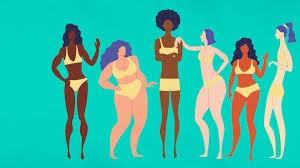
There is a story society has told for generations about women’s bodies — one that sounds authoritative, feels familiar, and is repeated so often that it begins to resemble truth. It is passed down in subtle warnings, cultural expectations, offhand comments, and even well-meaning advice. It tells women how their bodies should look, how they should behave, when they should produce life, how much pain they should tolerate, and how quietly they should endure it all.
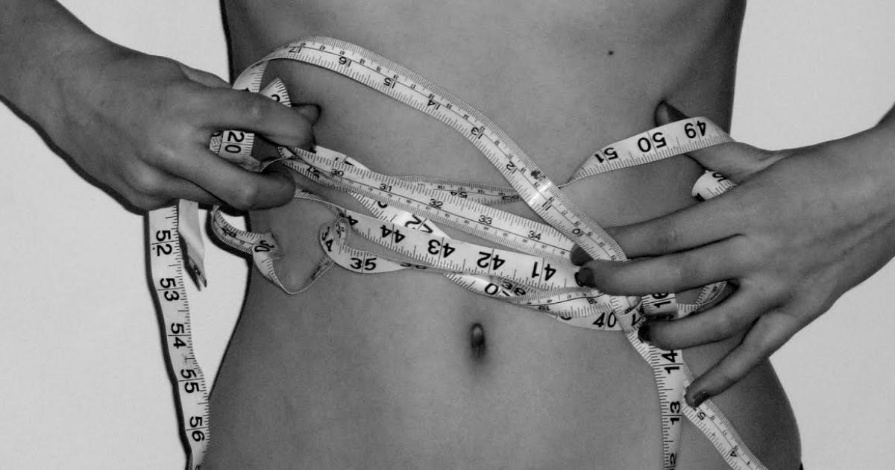
But beneath that inherited certainty lies a deeper, more uncomfortable reality: much of what we “know” about women’s bodies is incomplete, distorted, or fundamentally wrong.
This misunderstanding is not harmless because it shapes healthcare decisions, influences family dynamics, informs policy, and quietly dictates the quality of life for millions of women. More importantly, it affects how women see themselves — and how they are seen within the most intimate and foundational unit of society: the family.
Why Your Child’s “Just Joking” At Home Is Quietly Training Tomorrow’s Bullies
To correct this, we must confront not just the myths, but the systems and silences that sustain them.
The Dangerous Normalization of Pain
One of the most deeply ingrained misconceptions about women’s bodies is the normalization of pain. From the onset of puberty, girls are often introduced to discomfort as an unavoidable companion. Menstrual pain is expected. Severe cramps are dismissed. Fatigue is overlooked. Even when pain becomes disruptive—interfering with daily life — it is frequently minimized.
Over time, this messaging conditions women to internalize suffering as normal. It creates a dangerous threshold where only extreme distress is considered worthy of attention. By then, it is often too late.
This normalization has real consequences. It delays diagnosis, obscures serious conditions, and reinforces a healthcare culture where women’s complaints are not taken seriously enough. Pain becomes invisible — not because it is absent, but because it has been culturally silenced.
We must begin to ask a different question: not “Is this normal?” but “Is this healthy?”
Strength, Sacrifice, and the Myth of Limitless Capacity
Across cultures, the image of the “strong woman” is revered. She is the emotional anchor, the caregiver, the nurturer, the stabilizer of the home. She is expected to give endlessly — of her time, her energy, her body.
While strength is admirable, the way it is defined for women is often problematic. It is equated with endurance rather than balance. It is measured by how much a woman can carry, rather than how well she is supported.
This expectation ignores a fundamental truth: the human body, regardless of gender, has limits. Women’s bodies are not designed for perpetual output without consequence. Chronic stress, hormonal fluctuations, sleep deprivation, and emotional labor all have physiological effects.
Yet, many women push through exhaustion, dismiss symptoms, and deprioritize their own health — not out of choice, but out of expectation.
What society gets wrong is not the existence of strength, but its definition. True strength is not silent suffering. It is self-awareness. It is the courage to rest. It is the willingness to seek help without guilt.
The Obsession with Appearance Over Function
Few aspects of women’s bodies are as publicly scrutinized as appearance. From adolescence to old age, women are subjected to evolving standards of beauty that are often unrealistic, inconsistent, and unattainable.
The body becomes a project — something to be corrected, controlled, and perfected. Weight, skin tone, body shape, hair texture, and aging are all placed under constant evaluation.
But in this relentless focus on appearance, something critical is lost: function.
A woman’s body is not merely something to be seen; it is something that works. It regulates hormones, supports life, adapts to change, heals from trauma, and responds to both internal and external environments.
When appearance becomes the primary measure of value, health becomes secondary. Women may pursue aesthetic goals at the expense of well-being, or feel inadequate despite being physically healthy.
Reframing this narrative requires a shift in perspective — from how the body looks to how it lives, adapts, and sustains.
The Silence Surrounding Reproductive Realities
Reproductive health remains one of the most misunderstood and under-discussed aspects of women’s bodies. Despite its central role in family life, it is often shrouded in silence, misinformation, or cultural discomfort.
Menstruation, for instance, is still treated as a private burden rather than a natural biological process that deserves open conversation and proper education. Many girls grow into adulthood without fully understanding their cycles, leaving them disconnected from their own bodies.
Fertility is another area clouded by misconception. Women are frequently placed under intense pressure to conceive within socially defined timelines. When challenges arise, the burden of blame often falls disproportionately on them, despite the fact that reproductive outcomes are influenced by multiple factors—including male health.
This oversimplification not only creates emotional strain but also discourages open dialogue and timely medical intervention.
To move forward, we must replace silence with literacy. Reproductive health should not be a whispered topic — it should be an informed conversation within families and communities.
Motherhood: Between Idealization and Reality
Motherhood occupies a sacred space in many societies, but the way it is portrayed often lacks nuance. It is depicted as instinctive, fulfilling, and universally joyful — an experience that every woman should embrace seamlessly.
While motherhood can indeed be deeply meaningful, it is also physically transformative and emotionally complex. Pregnancy alters the body in profound ways. Childbirth is both a medical and physical event. Postpartum recovery is not immediate — it is ongoing.
Yet, many women are expected to return to “normal” quickly, as though their bodies have not undergone significant change. The pressure to appear composed, grateful, and resilient can prevent honest conversations about the challenges they face.
This gap between expectation and reality can lead to feelings of inadequacy, isolation, and even mental health struggles.
What society gets wrong is the assumption that natural equals easy. In truth, the most natural processes are often the most demanding—and they require support, not silence.
Mental Health Is Not Separate from the Body
Another critical misconception is the separation of mental and physical health. Women’s emotional experiences are often dismissed or misinterpreted, particularly when linked to hormonal changes.
Mood swings are trivialized. Anxiety is normalized. Emotional distress is sometimes labeled as overreaction rather than a legitimate concern.
But the mind and body are not independent systems — they are interconnected. Hormonal fluctuations, stress, sleep patterns, and physical health all influence mental well-being.
When mental health is dismissed, the body bears the cost. Chronic stress can manifest physically. Emotional strain can weaken resilience. And untreated mental health challenges can affect not only the individual but the entire family unit.
Recognizing this connection is essential. Supporting women’s health means addressing both visible and invisible struggles with equal seriousness.
Cultural Narratives and Control
In many societies, women’s bodies are not entirely their own. Cultural norms, traditions, and expectations often dictate how women should dress, behave, and make decisions about their health.
These controls are frequently framed as protective or moral, but they can limit autonomy and restrict access to information and care.
A woman’s ability to make informed decisions about her body — whether related to healthcare, reproduction, or personal expression — is fundamental to her well-being.
Respecting cultural values should not come at the expense of individual autonomy. The challenge lies in creating a balance where tradition does not override health, and where guidance does not become control.
Inequality in Access and Experience
It is important to acknowledge that not all women experience their bodies in the same way. Access to healthcare, education, nutrition, and financial resources significantly influences health outcomes.
For some women, basic healthcare services remain out of reach. For others, information is available but not accessible due to cultural or systemic barriers.
These disparities highlight a critical issue: the conversation about women’s bodies cannot be one-dimensional. It must account for diversity in experience and address the structural inequalities that shape health.
A truly informed society is one that listens to all voices—not just the most visible ones.
Rewriting the Narrative Begins at Home
While policy, healthcare systems, and education all play vital roles, meaningful change often begins at the most intimate level: the family.
The way we talk about bodies at home shapes how individuals understand themselves. When conversations are open, informed, and respectful, they empower. When they are silent or judgmental, they limit.
Parents have the opportunity to create environments where curiosity is encouraged, where questions are answered honestly, and where bodies are understood rather than feared.
Teaching girls to listen to their bodies — and teaching boys to respect them — lays the foundation for healthier relationships and stronger communities.
A Necessary Shift
Correcting what society gets wrong about women’s bodies is not about achieving perfection. It is about progress. It is about replacing assumption with knowledge, silence with dialogue, and judgment with empathy.
It requires a willingness to unlearn — to question long-held beliefs and to embrace more accurate, compassionate perspectives.
Women’s bodies are not problems to be solved or standards to be met. They are complex, adaptive systems that deserve understanding, respect, and care.
And when we begin to see them as such, the impact extends far beyond individual health. It strengthens families. It reshapes communities. It builds a society that is not only informed, but also humane.


Comments (0)
Please sign in to join the conversation.
Loading comments...