

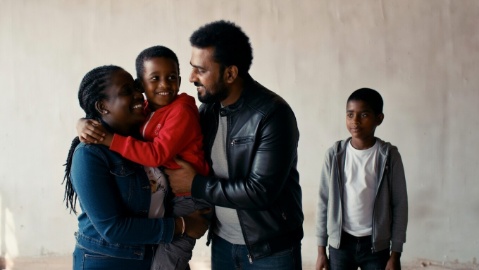
In many families, there is an unspoken feeling that one child is somehow “the favourite.” Parents rarely admit it openly, and many genuinely try to treat their children equally. Yet siblings often grow up sensing that one of them receives a little more attention, patience, or praise than the others.
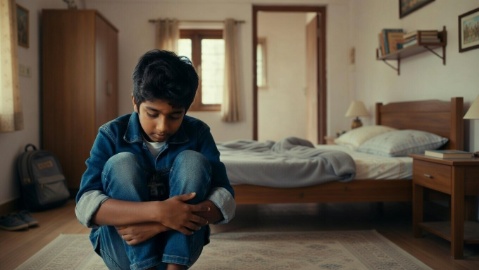
This quiet dynamic can shape relationships within a family for years, sometimes even into adulthood. But why does it happen? And what does psychology say about the idea of favourite children?
Why Parents Sometimes Have a Favourite
Parenting is deeply emotional and human. Even the most loving parents can naturally connect differently with each child. This does not always mean you love one child more, but certain factors can make one relationship feel easier or closer.
One reason is personality similarity. Parents often bond more quickly with children whose temperament mirrors their own. As a quiet parent, you may naturally connect with a calm child, while an energetic parent may enjoy the company of a lively one.
Another factor is birth order. Firstborn children often receive intense attention early in life, while the youngest may be viewed as the “baby” of the family and treated with extra softness. Middle children sometimes feel overlooked simply because they fall between these two strong roles.
Life circumstances also matter. A child who experiences illness, hardship, or special challenges may receive greater protection and emotional support. From the outside, siblings may interpret this care as favouritism.
How Children Experience Favouritism
Children are remarkably observant. They notice the small things; who gets forgiven quickly, who receives praise more often, or who seems to get the benefit of the doubt.
For the child who feels less favoured, this can lead to feelings of rejection or competition. They may try harder to gain approval or, in some cases, withdraw emotionally.
Interestingly, the “favourite” child may also feel pressure. Being seen as the preferred one can create expectations to perform well or behave perfectly.
Over time, these feelings can influence sibling relationships, sometimes creating rivalry that lasts long after childhood.
The Impact in Adulthood
Many adults can still recall moments from childhood when they felt overlooked or compared to a sibling. These memories can quietly affect self-esteem, confidence, and family closeness.
However, awareness can change things. When you, as a parent, acknowledge differences in how you relate to each child, you can actively work to create balance via offering attention, encouragement, and fairness where it matters most.
Families that communicate openly often heal these silent wounds more easily.
What Healthy Parenting Looks Like
Psychologists often say the goal is not to treat children identically, but fairly. Each child has unique needs, strengths, and personalities.
Healthy parenting means noticing those differences without placing one child on a pedestal above the others. It means celebrating individuality rather than comparison. Small actions make a difference; spending individual time with each child, recognising their personal achievements, and making sure each one feels seen and valued.
At the heart of it all, your children simply want reassurance that their place in the family is secure.
In Summary
The idea of favourite children may exist quietly in many households, but it does not have to define family relationships. When you show consistent love, respect individuality, and remain mindful of their behaviour, your children grow up feeling supported rather than compared.
In the end, what your children remember is not who was the favourite, but whether they felt truly loved.



Comments (0)
Please sign in to join the conversation.
Loading comments...