

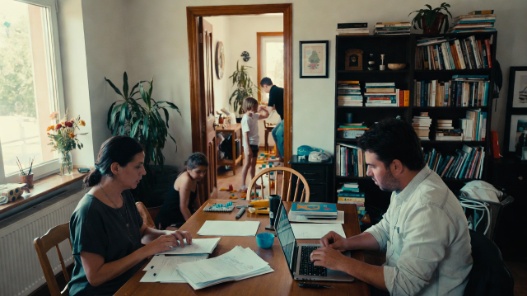
Marriage does not always fall apart with dramatic fights or fading love. Sometimes it simply becomes… busy. Between bills, work schedules, school runs and endless responsibilities, couples can start to feel like co-managers of a household rather than partners in love.

The quiet “middle-child phase” of marriage is the season where the spark is still alive, but buried under routines. So, how can couples rediscover intimacy in the ordinary moments of everyday life, without relying on the usual “date night” advice? Find out here!
When Love Becomes a Schedule
Most people expect the early years of marriage to be full of excitement. There are spontaneous trips, late-night conversations, affectionate texts and the feeling that you cannot get enough of each other.
Then life happens.
Children arrive. Careers become demanding. Bills grow larger. Responsibilities multiply. Gradually, the relationship shifts from romance to management. Instead of asking, “How are you feeling today?”, conversations start sounding like this:
* “Did you pay the electricity bill?”
* “Who’s picking up the kids?”
* “We’re running out of groceries.”
* “Your mum is visiting on Sunday, remember?”
Without noticing it, many couples enter what could be called the “middle-child phase” of marriage.
Just like the middle child in a family, this stage often receives the least attention. The honeymoon stage gets the celebration, and the later years sometimes bring reflection and renewal. But the middle years? They are often filled with routine, pressure and quiet emotional distance.
The love has not disappeared. The spark is not completely gone. It is simply buried under the weight of everyday life.
The Silent Shift From Lovers to Co-Managers
Many couples do not even realise when the change happens. At first, working together feels like teamwork. You are building a life together. You are planning, solving problems and supporting each other. However, over time, teamwork can slowly turn into pure logistics. Instead of feeling like partners in love, couples sometimes feel like colleagues running a household organisation.
There are meetings (family discussions), deadlines (school fees, rent, work), and responsibilities that never seem to end. The danger is not that couples stop caring about each other. The danger is that they stop noticing each other.
Affection becomes rare. Conversations become functional. Laughter becomes occasional. And one day, someone quietly wonders: “When did we stop being romantic?”
Why This Phase Is Completely Normal
Many people panic when they reach this stage in marriage. They assume something is wrong. Yet, the truth is, this phase is extremely common. Marriage moves through seasons just like life does. Some seasons are full of excitement. Others are quieter and more practical.
During the middle years, couples often face:
* Career pressure
* Financial responsibilities
* Raising children
* Caring for ageing parents
* Emotional exhaustion
When people are constantly solving problems, romance can unintentionally move to the background. The good news is this, the spark rarely disappears. It simply changes form. Instead of dramatic gestures, intimacy often lives inside the small, unnoticed moments.
The Myth of “Date Night” as the Only Solution
Whenever people talk about reconnecting in marriage, the first suggestion is almost always the same:
“Go on a date night.”
While date nights can be helpful, they are not always realistic. Many couples are too busy. Some cannot afford regular nights out. Others have young children and limited support.
More importantly, intimacy cannot survive on scheduled romance alone. If the rest of the week feels like running a logistics company, one dinner out will not magically fix the emotional distance. What you actually need is something deeper; learning to rediscover connection within everyday life.
Finding Intimacy in the Mundane
Real intimacy often hides in the most ordinary moments. It is not always about grand gestures. It is about attention. When you begin to notice each other again as a couple, the relationship slowly warms up. Here are a few ways intimacy quietly returns.
1. Start Noticing Each Other Again. In busy households, partners often stop seeing each other as individuals. They see roles instead; the provider, the parent, the organiser, the problem-solver.
However, behind those roles is still the person you fell in love with. Small observations can reopen emotional doors.
Instead of rushing past your partner in the kitchen, pause for a moment.
Notice their mood. Ask a simple question like, “Did today drain you, or was it a good day?”
It may seem small, but feeling seen is one of the deepest forms of intimacy.
2. Turn Ordinary Conversations Into Real Ones. Logistics conversations are unavoidable.
Bills must be paid. Plans must be made. Life must be organised. However, couples can learn to add a human connection to these conversations.
For example, instead of saying, “Did you send the school payment?” You might add, “I know we’ve both been stretched lately. Thank you for handling that.” That small sentence transforms a task into an appreciation. Appreciation is powerful fuel for emotional closeness.
3. Micro-Moments Matter More Than Big Gestures. Many couples believe romance requires big gestures. In reality, the strongest relationships are built on micro-moments of connection. These include things like:
* A quick hug before leaving the house
* Sharing a private joke during a stressful day
* Sitting together quietly after the children sleep
* Making tea for your partner without being asked
None of these moments looks impressive from the outside. However, together, they quietly rebuild emotional warmth.
4. Protect Tiny Spaces of Togetherness. Couples in the middle phase of marriage often feel like every moment belongs to someone else. Work demands attention. Children need care. Phones constantly buzz with notifications.
Instead of waiting for a perfect “date night”, you can protect small pockets of time. For example:
* Ten minutes of conversation before bed
* Drinking morning coffee together
* Walking around the neighbourhood after dinner
* Cooking together occasionally
These moments may be brief, but they create a rhythm of connection.
5. Bring Back Playfulness. One hidden casualty of busy adulthood is playfulness. Couples become serious, responsible and constantly focused on tasks. However, playfulness is one of the easiest ways to reconnect. It might look like:
* Teasing each other gently
* Sharing funny videos
* Recalling embarrassing early relationship memories
* Laughing about parenting mishaps
Laughter reminds you that you and your spouse are not just running a household together. They are also friends.
6. Talk About Things Beyond Responsibilities. Many couples realise they have not had a real conversation in months. Not an argument. Not a planning discussion. A real conversation.
Talking about dreams, fears, memories and ideas helps partners reconnect emotionally. You might ask questions like:
* “What has been on your mind lately?”
* “What do you wish we had more time for?”
* “What would you love our life to look like in five years?”
These conversations rebuild emotional intimacy slowly and naturally.
Why Small Changes Make a Big Difference
Marriage does not always need dramatic repair. Often, it simply needs intentional attention. When you start noticing each other again, something surprising happens.
The relationship softens. The tension reduces. The laughter returns. The warmth slowly grows again. Then, the household stops feeling like a logistics company.
Instead, it becomes what it was meant to be, a partnership between two people navigating life together.
The Quiet Strength of Long-Term Love
The truth is, long-term love rarely looks like the movies. It does not always involve fireworks or dramatic romance. Sometimes it looks like:
* Two tired people sharing a quiet cup of tea
* A supportive message during a stressful workday
* A gentle hand on the shoulder after a long evening
These moments may seem small, but they carry deep meaning. This is because real love is not just about excitement. It is about presence.
The Middle Phase Is Not the End of the Story
Many couples assume the middle years of marriage are where romance slowly fades away. Yet, that is not always true.
For many relationships, this phase becomes the foundation for something even deeper. When you learn as a couple to reconnect in everyday life, your love becomes less fragile. It is no longer dependent on perfect circumstances.
Instead, it grows stronger in the middle of ordinary life. This kind of love is powerful.
A Gentle Reminder for You!
If your marriage sometimes feels like a project plan or a logistics operation, you are not alone. Many couples quietly pass through this stage.
The key is not trying to recreate the past exactly as it was. The key is learning how to notice the love that still exists today. Because the spark may not be gone. It might simply be hiding inside the everyday moments you have stopped seeing.



Comments (0)
Please sign in to join the conversation.
Loading comments...