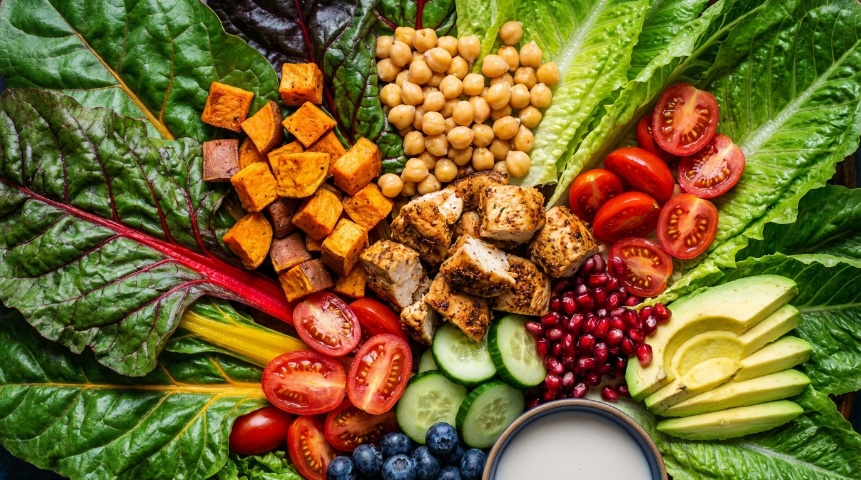

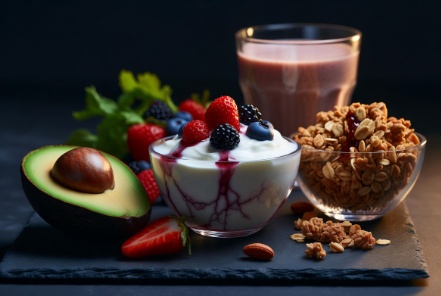
We all strive to eat healthily, nourish our bodies, and make the best choices for long-term wellness. However, sometimes what we perceive as “healthy” might quietly be undermining our efforts.
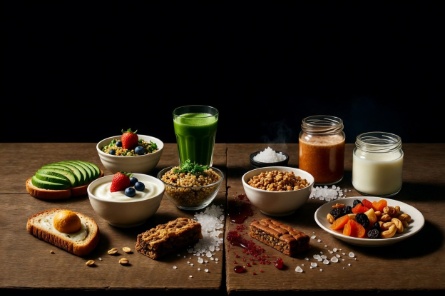
Marketing labels, trendy diets, and Instagram-perfect meals can be misleading. Even foods that seem wholesome can contain hidden sugar, salt, or harmful additives that negatively affect your body over time.
Here, you'll find 10 commonly eaten “healthy” foods that might be secretly harming your health, alongside practical tips to make smarter choices.
10 Healthy Snacks Your Kids Will Enjoy
1. Granola Bars
Granola bars are everywhere. At the supermarkets, gyms, and even in office vending machines. They’re marketed as “energy boosters” packed with oats, nuts, and dried fruit. While these ingredients sound nutritious, many commercial bars are loaded with hidden sugars, syrups, hydrogenated oils, and even artificial flavours.
Eating them daily can lead to blood sugar spikes, weight gain, and energy crashes. Some bars have more sugar than a chocolate bar, but are marketed as healthy because of their oats or nuts.
Healthier alternatives:
* Make your own granola bars at home using oats, seeds, unsweetened dried fruits, and natural nut butter.
* Choose bars with minimal ingredients and less than 5g of sugar per serving.
Health Tip: Not all snack bars are your friend! Check the sugar in your granola, your body will thank you.
2. Flavoured Yoghurts
Yoghurt is celebrated as a probiotic powerhouse, perfect for gut health. However, most flavoured and low-fat yoghurts are packed with sugar or artificial sweeteners. This sugar can feed harmful gut bacteria instead of nourishing the good ones, potentially worsening digestion or inflammation.
Even “low-fat” options often compensate by adding sugar to improve flavour, negating any supposed health benefits.
Tips for choosing yoghurt:
* Opt for plain, unsweetened yoghurt and add fresh fruit, a sprinkle of seeds, or a touch of honey.
* Choose Greek yoghurt if possible, as it’s higher in protein and lower in sugar.
Health Tip: Flavoured yoghurts may taste healthy, but sugar is sabotaging your gut!
3. Fruit Juices
Freshly squeezed fruit juice feels like a natural, healthy pick-me-up. However, it often contains more sugar than a soft drink. Even 100% fruit juice lacks the fibre present in whole fruit, meaning your blood sugar can spike rapidly.
Safer options:
Drinking juice daily is associated with weight gain, insulin resistance, and increased risk of type 2 diabetes. It’s easy to drink a large glass without feeling full, unlike eating a whole fruit.
* Eat the whole fruit to get fibre, vitamins, and slower sugar absorption.
* If you love juice, dilute it with water or add ice to reduce sugar intake.
Health Tip: That ‘healthy’ orange juice could be worse than a soft drink for your blood sugar.
4. Smoothie Bowls
Smoothie bowls are visually stunning and often featured on social media as a symbol of health. However, combining sweet fruits, syrups, yoghurt, or protein powders can turn them into sugar bombs. A single smoothie bowl can contain up to 50g of sugar, sometimes more than a chocolate cake!
Ways to enjoy smoothie bowls safely:
* Use a base of unsweetened yoghurt or nut milk.
* Add protein from nuts, seeds, or protein powder without added sugar.
* Limit sweet fruits and focus on berries or avocado to reduce sugar spikes.
Health Tip: Smoothie bowls look healthy, but the sugar content can be higher than a candy bar. So, choose wisely!
5. Fat-Free Salad Dressings
“Fat-free” sounds like a healthy choice, but removing fat often means replacing it with sugar, salt, and chemical stabilisers. Healthy fats like olive oil are essential for absorbing fat-soluble vitamins (A, D, E, K) and for satiety.
Eating fat-free dressings regularly can leave you craving more food, hinder nutrient absorption, and even increase insulin resistance if the sugar content is high.
Better options:
* Make your own dressing with olive oil, lemon, balsamic vinegar, or herbs.
* Avoid store-bought fat-free dressings with long ingredient lists.
Health Tip: Skip the fat-free trap. Your salad needs healthy fats, not sugar.
6. Veggie Chips
Kale chips, sweet potato crisps, and beetroot snacks seem like a healthy alternative to potato chips. While vegetables themselves are nutritious, the preparation often undermines their benefits. Many are baked with excessive oil, high salt, or fried at high temperatures, producing trans fats that harm your heart.
How to enjoy vegetable snacks safely:
* Roast vegetables at home with a small amount of olive oil and seasoning.
* Focus on fresh vegetables as snacks, such as carrot sticks, cucumber slices, or bell peppers.
Health Tip: Veggie chips aren’t always crunchy heroes. They can hide fats and salt that harm your heart.
7. Low-Fat Granola Cereals
Low-fat granola cereals are marketed as a health-conscious breakfast choice, but manufacturers often add hidden sugar to make them palatable. Consuming these cereals daily can cause blood sugar swings, increased cravings, and inflammation, all of which may contribute to long-term health issues.
Healthier breakfast alternatives:
* Choose high-fibre cereals with minimal sugar.
* Add nuts, seeds, or fresh fruit to boost nutrition naturally.
* Experiment with oatmeal or overnight oats for a wholesome breakfast.
Health Tip: Low-fat doesn’t mean low-risk. Always check your cereal for hidden sugars!
8. Diet Sodas and Sugar-Free Drinks
“Sugar-free” doesn’t automatically mean healthy. Many diet sodas contain artificial sweeteners like aspartame or sucralose, which can interfere with gut bacteria, insulin response, and appetite regulation. Some research even suggests that these drinks may increase cravings for sweet foods or even contribute to metabolic syndrome.
Better hydration choices:
* Stick to water, sparkling water, or herbal teas.
* Infuse water with lemon, cucumber, or berries for flavour.
Health Tip: Diet soda might quench your thirst, but your gut may pay the price.
9. Protein Bars
Protein bars are popular among gym-goers and busy professionals, but many are processed, with added sugar, syrups, and refined ingredients. While they provide protein, they can strain kidneys, spike insulin, and lead to hidden weight gain if consumed excessively.
Tips for choosing protein bars:
* Look for natural ingredients like nuts, seeds, oats, and whey protein.
* Keep sugar content below 5–10g per bar.
* Treat them as occasional snacks, not daily staples.
Health Tip: Protein bars might be convenient, but not always clean. Read the label before the next workout.
10. Granola Yoghurt Parfaits
Granola parfaits, with layers of yoghurt, granola, and honey, are often seen as a healthy breakfast. But stacking layers can quickly create a sugar overload, sometimes reaching 25–30g of sugar in a single serving. Eating them daily can affect energy levels, weight, and gut health.
Tips to enjoy them safely:
* Use plain yoghurt instead of flavoured yoghurt.
* Add a small portion of granola and fresh fruit.
* Sprinkle seeds for added protein and fibre instead of extra sweeteners.
Health Tip: That fancy parfait might taste healthy, but sugar is secretly stacking up.
Why “Healthy” Isn’t Always Healthy
Marketing can make almost anything seem good for you, especially with labels like “organic,” “natural,” or “low-fat”. All of which can mislead consumers. What matters more than the label is ingredient transparency. Understanding what’s really in your food empowers you to make choices that truly benefit your body.
Below are some guidelines for eating and staying safe.
1. Read labels carefully – focus on sugar, salt, and fat content.
2. Prioritise whole foods – fruits, vegetables, nuts, and legumes are naturally nutritious.
3. Cook at home when possible – you control ingredients and portion sizes.
4. Embrace healthy fats – they support brain function, vitamin absorption, and satiety.
5. Moderation matters – even “healthy” foods can harm if overconsumed.
6. Stay mindful of trends – just because it’s popular doesn’t make it good for you.
By paying attention to what you eat and making small adjustments, you can enjoy your food without unknowingly harming your health.