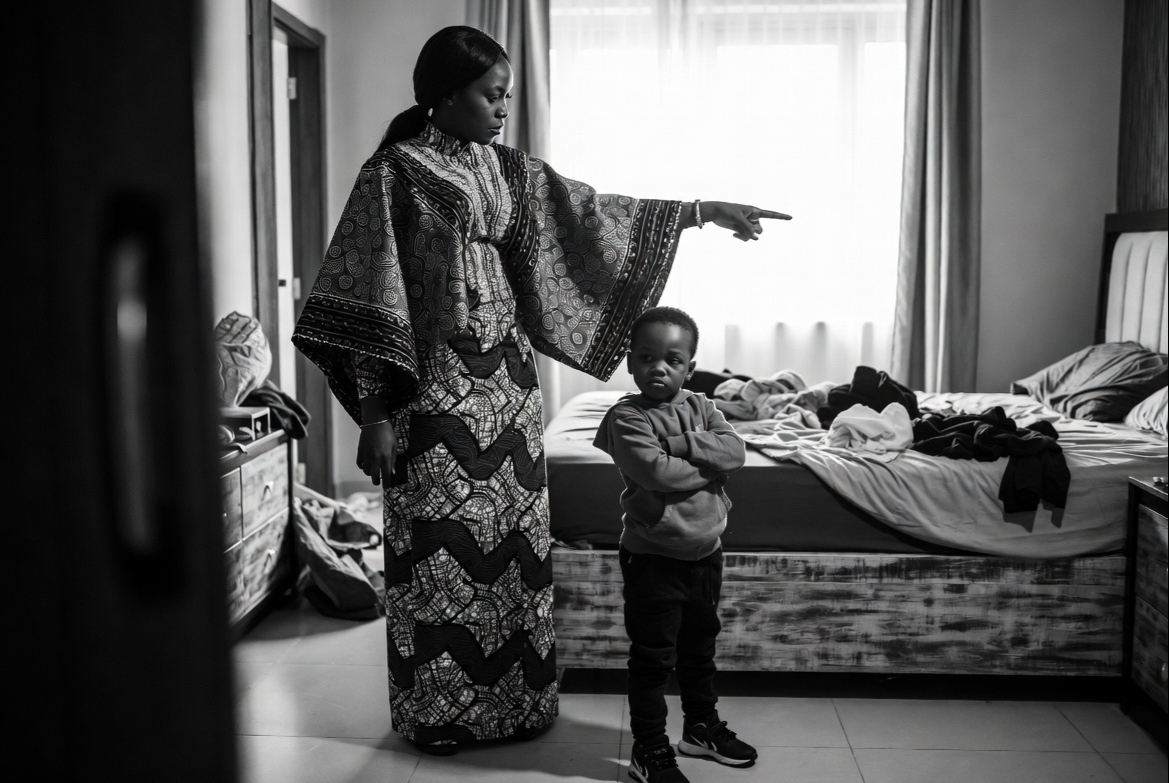

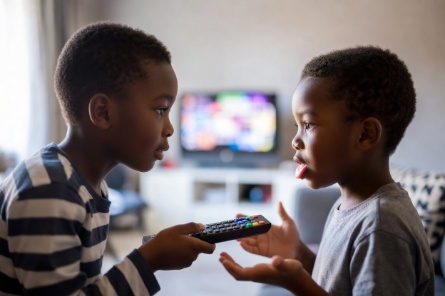
In many homes, sibling rivalry does not always look dramatic it often shows up in small, repeated moments like one child interrupts while you are speaking to another. Someone suddenly needs help the very moment you are busy. Another becomes unusually quiet when attention shifts away from them. These are not random behaviours because they are signals.
At the heart of it all is a simple need every child carries; the desire to feel seen, valued, and secure in your love. When that need feels threatened, even in the smallest way, children respond. Sometimes they compete loudly. Other times, they withdraw. Either way, they are asking the same question: “Do I still matter just as much?”
Understanding If Your Child Is Attention-Seeking Or Emotionally Distraught
Understanding this changes everything. It helps you move from reacting to behaviour to understanding the emotion behind it. Once you do that, you can guide your children with fairness, calm, and intention.
Why Siblings Compete for Attention
Children are naturally observant. They notice who gets praised, who gets corrected, and who gets more time. Even when you, as parents, try your best to be balanced, your children interpret situations through their own feelings.
A child who sees their sibling being helped with homework for longer may feel less important, even if the situation simply required more time. Another child may feel overlooked when their sibling is praised more often, even if the praise is deserved. These perceptions, whether accurate or not, shape behaviour.
Attention, to a child, is not just about time. It represents love, importance, and belonging. When they feel they are losing it, competition begins.
The Impact of Different Personalities
Every child expresses their need for attention differently. One may raise their voice, interrupt, or demand immediate focus. Another may become unusually helpful, trying to earn approval quietly. A different child may withdraw altogether, hoping to avoid rejection.
None of these responses is wrong. They are simply different ways of seeking connection. The loud child is not necessarily more difficult, and the quiet child is not necessarily more content. In fact, the quiet child may be the one who feels most unseen.
When you learn to read these differences, you can respond more thoughtfully instead of reacting only to what is visible.
The Effect of Birth Order and Silent Roles
In many families, children naturally fall into roles. The firstborn may feel responsible and may struggle when attention shifts to younger siblings. The middle child may feel overlooked, unsure of where they fit. The youngest may compete harder to be taken seriously or noticed.
These roles are not fixed, but they influence behaviour more than we realise. A child who feels replaced, forgotten, or underestimated may not say it directly. Instead, they may compete in subtle or obvious ways.
Recognising these patterns allows you to respond with empathy rather than frustration.
Ways to Handle Sibling Rivalry
Sibling competition does not always look like fighting. It can appear in everyday moments that seem small but carry emotional weight.
A child may interrupt repeatedly while you are speaking to another. One may suddenly misbehave when you are focused elsewhere. Another may show off constantly, hoping to draw your eyes back to them. Sometimes, a child becomes silent, withdrawn, or distant.
Each of these behaviours is a form of communication. Instead of asking, “Why are they behaving like this?” it helps to ask, “What are they needing right now?”
1. Understand the Difference between Fairness and Equality. Many parents aim to treat their children equally, but equality is not always what children truly need. Fairness is more important, and fairness looks different.
One child may need more reassurance because they are sensitive. Another may need encouragement to be independent. One may require more help with schoolwork, while another needs emotional support.
When your children understand that they are each cared for in ways that suit them, they begin to feel secure. The challenge is ensuring that these differences do not feel like favouritism.
This is where communication matters. When your children understand why something is happening, they are less likely to feel overlooked.
2. Give Personal Attention. One of the most effective ways to reduce sibling competition is to create moments where each child feels uniquely seen. These moments do not need to be grand or time-consuming.
A short conversation before bed, a walk together, or even a few uninterrupted minutes of listening can make a significant difference. What matters is the quality of attention, not the length of time.
When your child knows they will have your attention without needing to compete for it, their behaviour begins to settle naturally.
3. Avoid Comparisons. Comparisons, even when unintended, can create deep emotional wounds. When a child hears that their sibling behaves better, performs better, or is easier to manage, they may begin to feel inadequate.
Over time, this can lead to resentment, not just towards you, the parent, but also towards the sibling.
Focusing on each child’s unique strengths changes the atmosphere in the home. When your children feel valued for who they are, rather than how they measure up, they begin to develop confidence without needing to compete.
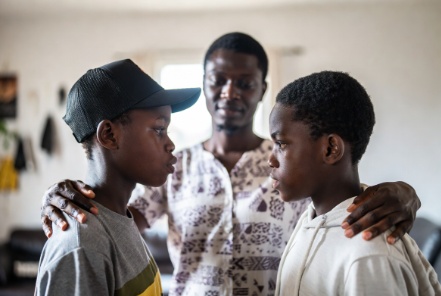
4. Listen to Both Sides Without Rushing to Judge. When conflicts arise, it is easy to step in and decide who is right and who is wrong. However, children often need something more than judgement. They need to feel heard.
Taking a moment to acknowledge both children’s feelings helps them feel respected. It shows them that their emotions matter, even when their actions need correction.
Over time, this approach teaches them to listen to each other as well.
5. Teach Patience Gently. Children often seek attention immediately because they have not yet learned how to wait. When they are repeatedly ignored or dismissed, their urgency increases.
Responding calmly, acknowledging their need, and then following through builds trust. It shows them that they do not need to compete or escalate their behaviour to be noticed.
Patience is not learned through force. It is learned through consistent, calm responses.
6. Encourage Cooperation. When children are praised only for individual achievements, they may begin to see each other as competition. However, when cooperation is recognised and appreciated, the dynamic begins to change.
They start to experience the joy of working together rather than trying to outshine one another. Also, they begin to see their sibling as a partner instead of a rival. This shift does not happen overnight, but it grows steadily with encouragement.
7. Create Shared Family Moments. Family time plays a powerful role in reducing competition. When your children feel connected as part of a unit, the need to compete for attention decreases.
Simple routines like shared meals, storytelling, or relaxed conversations create a sense of belonging. These moments remind your children that they are not competing for a limited resource but are part of a family where love is shared.
8. Recognise and Correct Unconscious Favouritism. As a parent, without exception, you may find yourself leaning more naturally towards one child. This may be due to personality similarities, ease of communication, or shared interests.
What matters is not perfection but awareness. When you notice these patterns, you can make small adjustments that restore balance. Children are quick to notice differences, but they are also quick to respond to genuine effort.
9. Help Your Children Express Their Needs Clearly. Many children do not yet have the words to express what they feel. Instead of saying, “I need your attention,” they may act out or withdraw.
Teaching them simple ways to express themselves gives them a healthier alternative. When they learn to communicate their needs, the intensity of competition often decreases.
This is not just about behaviour. It is about giving them tools for life.
10. Stay Calm During Conflict to Teach Emotional Control. Children learn more from what you do than from what you say. When you remain calm during conflict, you show them how to manage strong emotions.
If you react with frustration or anger, the situation may escalate. If you respond with calmness and clarity, you create a space where resolution becomes possible.
This consistency becomes a model they carry into their own relationships.
11. Reassure Your Love Regularly. No matter how often you show love, children still need to hear it. Reassurance is not something they outgrow quickly.
When they know your love is not limited or conditional, their fear of losing attention begins to fade. They no longer feel the need to compete as strongly because they trust that there is enough for everyone. This sense of security is the foundation of emotional stability.
What to Do When Sibling Rivalry Becomes Intense
While some level of competition is natural, there are times when it may require deeper attention. Constant conflict, one child consistently dominating another, or noticeable withdrawal are signs that something more may be happening.
In such moments, slowing down, observing more closely, and offering more intentional support can make a difference. Sometimes, seeking guidance from a professional can also help bring clarity.
The goal is not to eliminate rivalry completely. That would not reflect real life. Instead, the aim is to raise children who feel secure enough that they do not need to fight for their place in the family.
When your children feel seen, heard, and valued, they begin to relax. They become more confident in themselves and more open towards their siblings.
Over time, competition gives way to connection.
Conclusion
Every “Mum, look at me” carries meaning. It is not just a request for attention. It is a request for reassurance, for connection, and for love.
When you respond with patience, fairness, and understanding, you are doing more than managing behaviour. You are shaping how your children see themselves and each other.
In that space of security, something powerful happens. Siblings begin to move from rivalry to relationship, from competition to companionship, and from seeking attention to sharing it.