
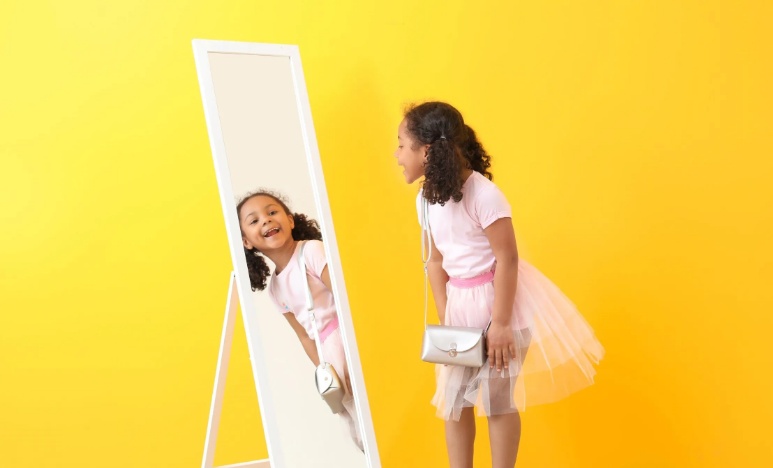
“Mummy, your lips look so big and pretty. Mine are small. When I’m big, will I need to do that too so boys will like me?” Shade froze, lip gloss still in hand, the question hit harder than the botox needle at the clinic. Temi wasn’t being dramatic at all, here and now, she was simply repeating what she had been watching at home for years — the filters, the procedures, the “before and after” stories shared in the family WhatsApp group.

If you’re a parent in 2026, between Instagram, Nollywood glam, and the pressure to “look younger than your age mates,” more mums (and some dads) are choosing everything from skin bleaching creams to BBLs, rhinoplasty, hair transplants, and gym transformations. But what are those choices really teaching the small eyes and ears in our homes?
The Sexual Struggles Couples Are Battling And How to Fix Them
Here are the 14 effects we’re seeing in everyday families — honest, sometimes uncomfortable, but very real.
1. Unrealistic beauty standards land early
Kids as young as seven now describe 'perfect' skin as poreless and glowing like Mummy’s filter. Natural dark knuckles or tribal marks suddenly feel like flaws.
2. Self-consciousness about natural features kicks in fast
Temi’s question about her lips is common, leading children start criticising their own nose, hips, or complexion because they see Mummy 'fixing' hers.
3. Cosmetic surgery becomes 'normal self-care'
When recovery from liposuction is explained as 'Mummy went for a vitamin drip,' kids grow up thinking procedures are no bigger deal than a salon visit.
4. Appearance gets tied to worth
Children learn that looking good equals being happy, successful, or loved and the flip side is will be days when Mummy is 'not feeling fine' it must be because her skin isn’t 'popping.'
5. Boys absorb objectifying messages
Sons watch Dad praise Mummy’s new figure or see uncles comment on 'fine girls' online and these kids also start judging girls (and later women) by the same edited standards.
6. Girls fear natural aging
Daughters see Mummy fighting wrinkles at 35 and quietly worry they’ll 'look old' by secondary school, so they see as the central message is: your body will betray you unless you fight it.
7. Authenticity feels confusing
Kids hear 'love yourself' but watch parents spend hundreds of thousands altering themselves. The mixed signal leaves many wondering which version of Mummy is the real one.
8. Parent-child bonding dips during recovery
After a procedure, many parents are swollen, sore, or hiding indoors for weeks. Children feel the emotional distance and sometimes blame themselves for “bothering Mummy when she’s healing.”
9. Beauty spending shapes money lessons
When school fees are delayed but the next filler appointment is booked, kids learn that looking good can be more important than other family needs.
10. Body dissatisfaction becomes a family habit
Mummy’s “I need to lose this belly” talk at dinner teaches everyone — including growing sons — that bodies are projects to be fixed, never enough as they are.
11. Early interest in beauty treatments
Ten-year-olds now beg for relaxers, whitening soaps, or “baby Botox” because they’ve seen it normalised at home. The innocence of childhood shortens.
12. Cultural beauty pride takes a hit
Traditional Nigerian features — full hips, dark skin, natural hair — get quietly sidelined for Eurocentric or Instagram versions. Kids start asking why their aunties in the village “didn’t do anything to their face.”
13. Future relationship expectations get skewed
Children grow up believing love looks like constant upkeep. They enter dating or marriage already anxious about “maintaining the standard” their parents set.
A bad hair day or a pimple can ruin their confidence the same way it seems to ruin Mummy’s mood.
What You Can Start Doing This Week (Realistic Tips)
Have the mirror talk – Sit with your child this weekend and point out three things you love about your natural body out loud. Let them do the same. No filters, no edits.
Explain “before and after” honestly – If you’ve had work done, use simple age-appropriate words: “Mummy chose this because it made me feel confident, but your body is already perfect just as it is.”
Create a no-appearance-complaint rule at home – For one week, no one (including you) criticises their own body in front of the kids. Watch how quickly the mood lifts.
Show beauty beyond looks – Praise effort, kindness, and intelligence more than outfits or weight. Say “I’m proud of how hard you studied” instead of “You look so slim today.”
Limit the glamour scroll together – Do a 30-minute phone-free family time every evening. Replace it with stories about your own childhood when beauty wasn’t filtered.
Family life in Nigeria right now is already hard — school fees, fuel scarcity, in-law expectations, NEPA wahala. Adding beauty pressure on top doesn’t have to be another burden. Your children aren’t judging you for wanting to feel good in your skin. They just want to know that they are enough exactly as they are.
You don’t have to stop caring for yourself. Just make sure the message they’re receiving at home is louder than the one on Instagram: You are worthy, loved, and beautiful — no needles, no filters, no surgery required.
The spark of real confidence you want for your children starts with the example you set in your own mirror.