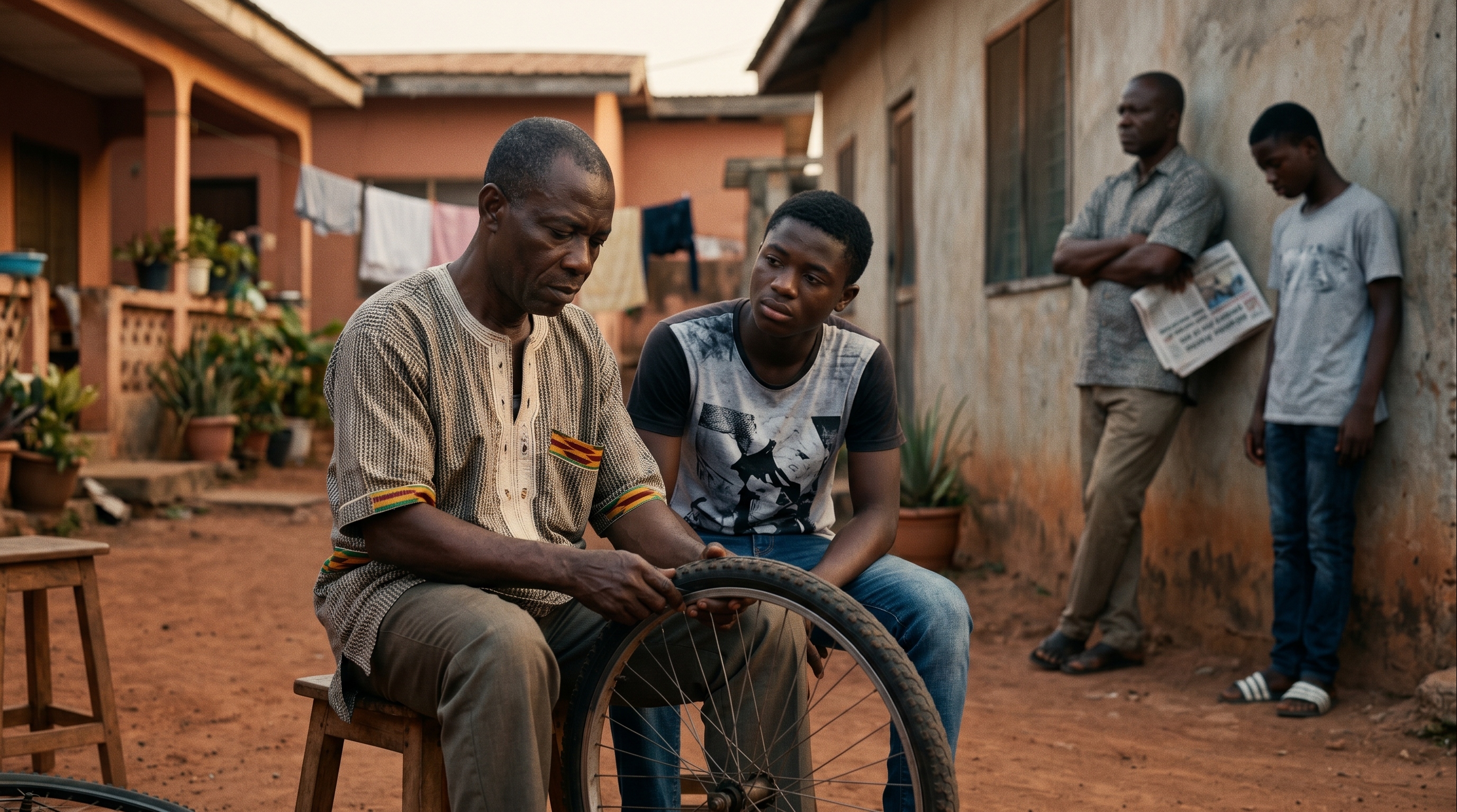

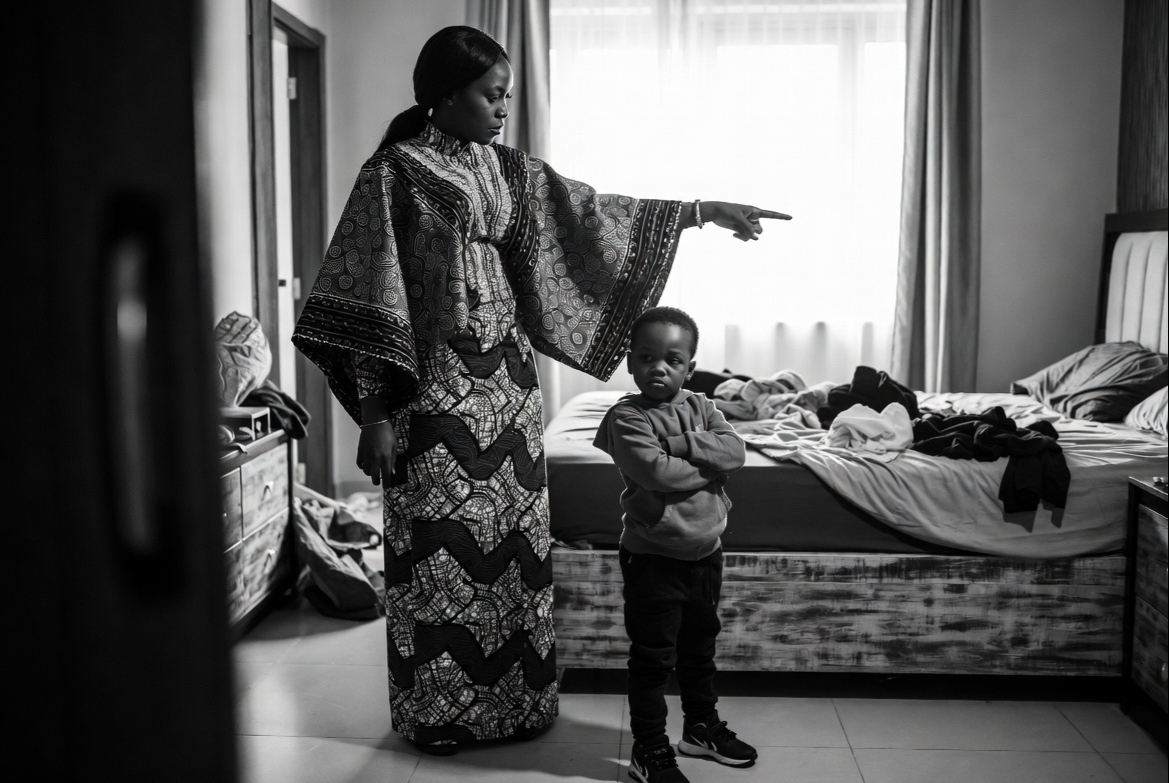
There's something quietly powerful about the perspective of a child. They absorb everything, the love, the warmth, but also the throwaway phrases adults use without a second thought. Most of the time, grown-ups mean well. Nobody wakes up in the morning planning to say something that makes a child feel small or dismissed. But words carry weight, and children feel that weight more than you often realise.

This isn't a guilt trip for parents. It's an honest, light-hearted look at the phrases that make children roll their eyes, shrink into themselves, or silently wonder if anyone is actually listening. If you've ever said any of these, don't worry, we all have. However, knowing better means you can do better.
1. "Because I Said So."
Of all the phrases on this list, this one might be the most universally dreaded. Children are naturally curious. They want to understand the why behind things, not to be difficult, but because their brains are genuinely trying to make sense of the world. When an adult shuts down that curiosity with "because I said so," it doesn't teach respect. It teaches silence. Meanwhile, there's a big difference between the two.
Why Sharing Your Child's Face Online Could Cost More Than Likes
2. "You're Too Young to Understand."
This one stings more than most adults realise. Children are perceptive. They pick up on tension, sadness, and stress even when no one tells them what's going on. Dismissing their questions with this phrase doesn't protect them. Instead, it just leaves them to fill in the blanks with their imagination, which is often far scarier than the truth.
3. "Stop Crying — There's Nothing to Cry About."
To a child, there is always something to cry about when they're crying. Whether it's a broken toy or a lost friend at school, their emotions are real and valid. When adults minimise those feelings, children learn to suppress them rather than process them. That emotional bottling-up doesn't disappear. It simply resurfaces later, usually in less helpful ways.
4. "When I Was Your Age..."
Ah, the classic. The problem with this phrase isn't the nostalgia, it's the comparison. Children don't live in the past. They live in a world of social media, academic pressure, climate anxiety, and constant change. Telling them how easy they have it compared to your childhood doesn't inspire gratitude. It makes them feel misunderstood.
5. "You Should Be Grateful."
Gratitude is a beautiful thing, but it cannot be forced. When adults use this phrase as a response to a child's disappointment, it invalidates their feelings rather than guiding them. A child who is upset isn't choosing to be ungrateful. They're just upset. Acknowledging that first goes a much longer way than demanding thankfulness on the spot.
6. "It's Just a Phase."
Sometimes it is. But sometimes it isn't. The problem with this phrase is that it encourages adults to wait and watch rather than engage and support. Children who are struggling, whether emotionally, socially, or academically, need to feel seen, not filed away under "they'll grow out of it eventually."
7. "Act Your Age."
Children are acting their age. That's the entire point. Silliness, emotional outbursts, and impulsive behaviour aren't signs of failure. They're signs of a developing brain doing exactly what developing brains do. Expecting your children to behave like miniature adults sets them up for shame rather than growth.
8. "You're So Dramatic."
Few things shut a child down faster than being labelled dramatic. To the child, they aren't performing; they're genuinely overwhelmed. Labelling big emotions as dramatic teaches children that expressing themselves is embarrassing. Over time, they stop sharing altogether, and then adults wonder why teenagers never talk to them.
9. "Life Isn't Fair, Get Used to It."
Yes, life isn't always fair. That's an important lesson. But there's a difference between helping a child build resilience and using their disappointment as a platform for a blunt life lecture. When your child is hurt by an injustice, real or perceived, they need empathy first. The life lesson can come after.
10. "You'll Thank Me One Day."
Maybe they will. But in the moment, this phrase feels like a conversation-ender that dismisses everything the child is currently feeling. It places all the value in a future that the child cannot see or access right now. What they need isn't a promise of future gratitude. They need to feel heard today.
11. "Don't Be Such a Baby."
This one is particularly harmful because it pairs shame with vulnerability. Children who are scared, overwhelmed, or sad are already in a tender emotional state. Calling them a "baby" for feeling that way teaches them that vulnerability is weakness. This is a lesson that can follow them all the way into adulthood.
12. "Why Can't You Be More Like...?"
Comparison is the thief of joy for adults, and it's downright devastating for children. Whether the comparison is to a sibling, a classmate, or even a parent's younger self, this phrase tells a child: as you are, you are not enough. No child should have to carry that message.
13. "You Don't Know How Good You've Got It."
This phrase is almost always well-intentioned, but it lands badly. Children don't have the life experience to weigh their circumstances against global suffering or historical hardship. What they have is their own world, and in their world, their problems are real and immediate. Acknowledging that is not spoiling them. It's respecting them.
14. "Go Play, I'm Busy."
Sometimes adults genuinely are busy, and that's perfectly fine. However, when this becomes the default response to every attempt a child makes to connect, it sends a message that their world (their stories, discoveries, and little victories) is an interruption. Children notice when they feel like a nuisance. They just rarely say so out loud.
15. "You're Not Hungry, You Just Ate."
Children's bodies are different from adult bodies. Their hunger cues are real, their metabolisms are faster, and their relationship with food is still forming. Telling a child they're not hungry when they say they are teaches them to distrust their own bodily signals. This habit has lasting consequences, especially around food and self-trust.
16. "I Gave Up Everything for You."
This one is perhaps the heaviest on the list. Even when it comes from a place of exhaustion or genuine sacrifice, this phrase places an enormous emotional burden on your child's shoulders. Children are not responsible for the choices adults made to have them. They should never be made to feel like a debt that needs repaying.
17. "You're Too Sensitive."
Sensitivity is not a flaw. It is, in fact, one of the most beautiful and valuable human traits. It's the foundation of empathy, creativity, and deep connection. Telling your child that they're too sensitive because their feelings inconvenience the moment is telling them that their emotional depth is a problem to be fixed.
18. "Stop Asking Questions."
Questions are how children learn. Full stop. When you shut down questioning, whether out of impatience or lack of answers, you close a door that should always be left wide open. A child who is told to stop asking questions doesn't become less curious. They simply become less likely to ask the people who matter most in their lives.
19. "It's Not a Big Deal."
It is a big deal, especially to them. That's what counts. Scale is relative. Your child's "big deal" doesn't need to match your own definition to be worthy of attention and care. When you consistently minimise what your children care about, they stop sharing what matters to them. Then, one day, they're teenagers who "won't talk to anyone," and the adults are left wondering why.
20. "You'll Understand When You're Older."
The most bittersweet phrase on the list. Sometimes it's genuinely true because some things do require years of experience to fully grasp. Yet, it's too often used as a way to avoid difficult conversations rather than have them thoughtfully. Your children deserve age-appropriate honesty. They can handle far more than you tend to give them credit for.
Conclusion
None of this is about being a perfect parent, teacher, or carer. It never has been. Children don't need perfection; they need presence. They need to feel that the adults in their lives are genuinely curious about their inner world, not just managing their behaviour.
The phrases above persist because they were passed down from generation to generation, spoken without malice but received with quiet hurt. Breaking that cycle doesn't require a parenting overhaul. It requires something much simpler: pausing before speaking, and asking yourself whether your words are building a bridge or quietly closing a door.
Children are paying attention. They always are. So, the conversations you choose to have with them, or refuse to have, shape not just who they become, but how they feel about themselves for years to come.
So the next time you feel one of these phrases rising to the surface, take a breath. Ask a question instead. Listen. You might be surprised at what they've been waiting to tell you.