
Chidi, a lively 7-year-old with a gap-toothed grin, and his little sister, Amara, 5, loved nothing more than racing home from school in their neighborhood for a cold bottle of fizzy drink or a pack of sweetened juice. Their mum, Ifeoma, a busy teacher, and dad, Emeka, an accountant, thought it was harmless – “just a small treat after a long day.” The kids were young, energetic, and their teeth looked fine during quick brushes at night.

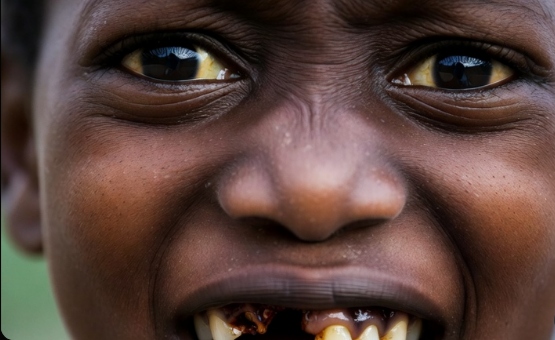
But one ordinary evening changed everything when Amara complained that her teeth hurt when as bit into an apple. Chidi’s front teeth started showing tiny white spots that turned brownish at the edges. A visit to the dentist revealed early enamel erosion and beginning cavities. The culprit? Those daily sugary drinks they sipped casually – the hidden acids and sugars quietly attacking their young teeth day after day.
10 Reasons Why Wives Must Thrive Sexually And Not Let Husbands Drift Away
Ifeoma and Emeka felt that familiar parental guilt. They weren’t neglectful parents; they just hadn’t connected the sweet drinks to the slow damage happening inside their children’s mouths. Like many young families juggling work, school runs, and tight budgets in Nigeria, they reached for convenient, affordable options that the kids begged for. What started as occasional treats had become daily habits, and the hidden costs were showing up in their kids’ smiles.
This is the story of how one family woke up to the 16 hidden damages sugary drinks can cause children’s teeth – and how they turned things around with practical, joyful changes that actually stuck.
The First Hidden Damage: Enamel Erosion from Constant Acid Attacks
Sugary drinks don’t just taste sweet – they’re loaded with acids (like phosphoric and citric acid) that soften the protective enamel on kids’ teeth. Chidi and Amara’s frequent sipping meant their teeth faced acid attacks that lasted 20-30 minutes each time. Over weeks, the hard outer layer thinned, making teeth sensitive and more prone to further damage.
Ifeoma started noticing how the kids’ teeth looked duller. The insight? Young children’s enamel is still developing and thinner than adults’, so it erodes faster. Practical step: They switched most drinks to plain water and limited sweetened ones to mealtimes only, when more saliva helps neutralize acids.
Damage 2 & 3: Fueling Cavity-Causing Bacteria and Prolonged Sugar Exposure
Bacteria in the mouth love sugar. They feast on it and produce acids that create cavities. Because kids often sip drinks slowly throughout the afternoon or while watching cartoons, the sugar lingers, giving bacteria hours of feasting time instead of quick exposure.
For Amara, this showed up as small holes between her baby teeth. The parents learned to stop constant access – no more sippy cups filled with juice for long periods. They introduced fun straws for occasional treats so liquid bypassed front teeth more.
Damage 4: White Spot Lesions Turning into Brown Decay
Those first white chalky spots on Chidi’s teeth were demineralization – early warning signs before full cavities form. Hidden in plain sight, they appear when minerals leach out from repeated acid exposure.
Emeka began checking the kids’ teeth weekly in good light. They added a simple after-drink rinse with plain water to help wash away residues and support remineralization.
Damage 5-8: Increased Sensitivity, Gum Irritation, Bad Breath, and Faster Tooth Wear
Sensitive teeth made Amara avoid cold water or fruits. Sugary drinks also fed bacteria that irritate gums and cause mild inflammation. Persistent bad breath embarrassed Chidi at school. The acidity wore teeth surfaces unevenly.
The family made brushing more fun with colorful timers and songs. They encouraged rinsing with water after any sweet drink and introduced crunchy veggies like carrots as snacks to naturally clean teeth.
Damage 9-12: Weakened Tooth Structure, Higher Risk of Infections, Pain During Eating, and Early Tooth Loss
Unchecked, erosion weakens teeth, raising chances of abscesses or infections. Pain while chewing affected the kids’ appetite and concentration in school. In severe cases, premature loss of baby teeth can misalign permanent ones coming in.
Ifeoma and Emeka scheduled regular dental check-ups every six months instead of waiting for pain. They treated prevention as alignment – getting small habits right early so bigger problems don’t break the family routine later.
Damage 13-16: Hidden Sugars in “Healthy” Drinks, Reduced Saliva Protection at Night, Staining, and Long-Term Dental Costs
Many parents miss that fruit juices, flavored milks, sports drinks, and even some “natural” packaged drinks pack surprising sugar. Sipping before bed is especially harmful because saliva flow drops at night, leaving acids unchecked. Drinks also stain developing teeth. The financial and emotional cost of fillings or treatments adds stress to family life.
The couple read labels together with the kids, turning it into a game: “Spot the sneaky sugar!” They replaced evening drinks with warm water or plain milk and celebrated sugar-free days with extra playtime.
As weeks turned into months, the changes felt manageable, not perfect. Some days the kids still begged for their old favorites, and Ifeoma admitted feeling tired after long teaching days. But they stayed consistent in the important moments. Brushing became a family affair with laughter and stories. Water bottles with fun stickers replaced constant juice packs. Occasional treats stayed special – enjoyed quickly with a meal, followed by water.
One sunny Saturday afternoon, the family returned from the dentist with glowing news: Amara’s sensitivity had reduced dramatically, Chidi’s white spots were stabilizing, and no new cavities had formed. The dentist smiled and said their small, steady shifts were protecting the kids’ developing teeth at the critical foundation stage.
Ifeoma looked at Emeka, then at their beaming children, and felt a deep sense of relief mixed with pride. “We caught it before it got worse,” she said. “Just like building anything strong – whether teeth, health, or family – you have to protect the foundation early with intention.”
The real win for Ifeoma and Emeka wasn’t achieving perfection. It was learning that small misalignments in daily habits – like unchecked sugary sips – can quietly erode what matters most, just as bigger life misalignments can strain family bonds if left unaddressed. By acting early with love and practicality, they protected their children’s smiles and modeled intentional care.
Chidi and Amara still have their moments of wanting sweets, but now the family laughs about “strong teeth power” and chooses joyfully most days. Their bright, healthier smiles light up the house – a daily reminder that foundations built with awareness and consistent small actions create resilient, happy futures.