
They had been dating for almost two years, both in their late twenties, they worked hard in Lagos. Mike ran a small logistics business and Shiela taught in a secondary school. They dreamed of marriage, a cozy home, and raising children who would thrive. But lately, like a regular Friday evening. They had just finished a simple dinner of yam and egg stew. Shiela picked up her phone as usual. "Babe, look at this trending reel," she said, laughing. The video showed a slim influencer in a luxury kitchen blending some green smoothie with exotic ingredients that cost more than their weekly market run.
She sighed. "My girls at school keep posting similar things. Everyone is into these fancy diets now." He noticed how often Ada, once content with their local meals, now compared herself constantly with her secondary school girls, have begun influencing her more than she admitted. Peer pressure did not stop, it is creeping into young adults too, especially through social media.
That night, they decided to talk properly over a flask of homemade zobo drink, and it was a deepening real talk. What unfolded was a realization that social media and peer pressure were quietly planting 20 bad food habits in many females. Habits that could affect health, self-worth, and even family finances later, the couple began listing them out, drawing from what Ada saw daily in her students and in herself.
The Pressure Starts Early
Habit one: Skipping breakfast for "detox teas" or black coffee because influencers say it boosts metabolism. Many young girls in Ada's class arrived at school with empty stomachs, claiming they were "intermittent fasting like the celebs." Ada herself had tried it a few times, feeling lightheaded by 10 a.m.
Insight: Growing bodies need steady fuel. A simple breakfast like akara and pap or oats with banana provides energy without drama. Practical step: Parents and future parents like Chidi and Ada can model balanced mornings. Prepare quick, affordable meals together the night before. Talk about how real energy comes from food, not trends. They moved to the next.
Habit two: Replacing water with sugary drinks or "healthy" flavored waters loaded with additives. Peer groups at school shared fancy bottled drinks because social media made plain water look boring. Chidi smiled. "Remember when we used to carry pure water sachets everywhere?" Ada laughed because girls now chase aesthetic drinks.
Guidance: Make water fun and accessible. Infuse with local fruits like lemon, cucumber, or pineapple. Teach kids that hydration is quiet strength, not a performance.
When "Healthy" Becomes Harmful
Habit three: Extreme restriction of carbs because "carbs make you fat." Ada saw bright girls refusing garri, rice, or even plantain, opting for tiny portions of salads that left them hungry and irritable.
Reality check: Affordable staples like yam, rice, and beans provide necessary energy, however, complete avoidance leads to fatigue and poor growth. Balance is key. A plate with protein, carbs, and vegetables works better than elimination.
Chidi shared how his own sister once fell into this trap during university. She recovered when the family started eating together mindfully.
Habit four: Over-relying on supplements and "skinny teas" pushed by peers and online sellers, have many girls swallowing capsules promising flat tummies without changing lifestyle.
Practical advice: Food first and supplements should support, not replace, real meals. Consult a doctor or nutritionist before starting anything, especially for young girls.
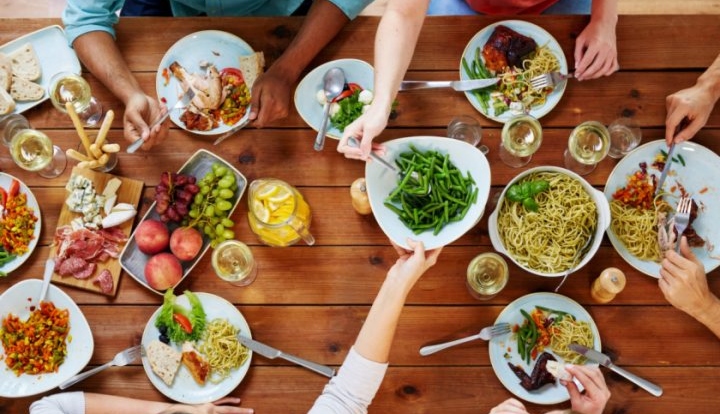
Habit five: Eating only "clean" imported foods while rejecting local options like ugu, bitter leaf, or moi moi. Social media glorified avocado toast over Nigerian classics, in trending opinions as influencers and the like. Ada admitted feeling pressure to post "exotic" meals, "But our market women sell fresh, nutritious produce daily."
Insight: Local foods are nutrient powerhouses and budget-friendly. Teach children pride in Nigerian ingredients. Experiment with recipes together, like adding more vegetables to jollof or making vegetable smoothies with spinach and banana.
The Social Media Scroll Trap
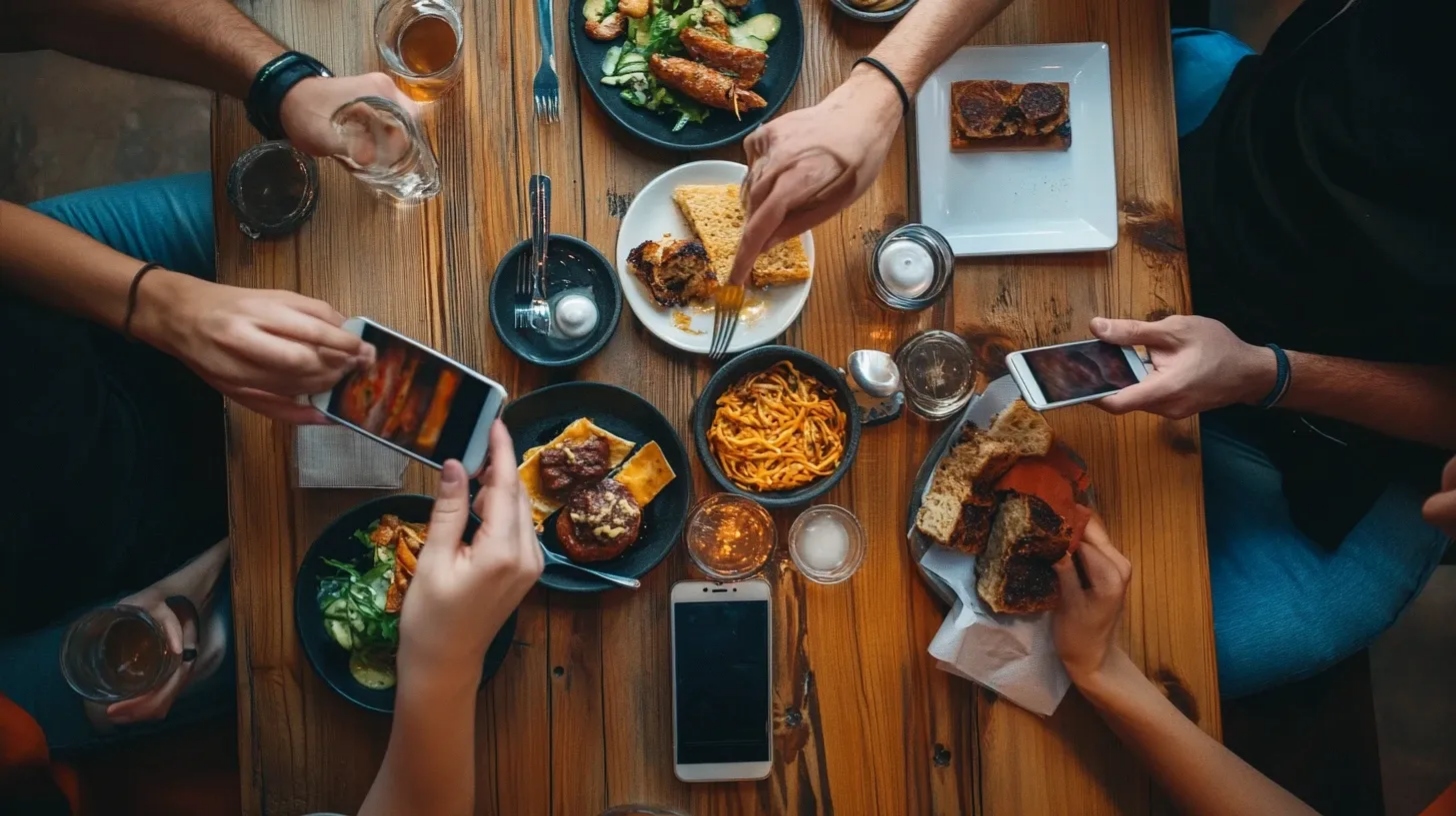
Habit six: Mindless snacking while scrolling reels of crunchy snacks, ice cream challenges, and late-night mukbangs encourage eating without hunger. In their conversation, Ada realized she did this too, "I finish a pack of biscuits without thinking."
Guidance: Create phone-free zones during meals and snacks. Encourage mindful eating. Ask, "Am I hungry, or is this boredom?"
Habit seven: Chasing "what I ate in a day" videos that promote unrealistic portions or timings. Young girls are trying to copy influencers who ate salads at 6 p.m. while ignoring school demands.
Practical: Focus on individual needs. A growing girl-child needs more calories than a sedentary adult influencer, so you must your girl(s)' track energy levels, not aesthetics.
Habit eight: Developing fear of certain foods labeled "bad" by trends. Suddenly, groundnut, fried plantain, or even honey became enemies. Chidi noted, "Food is not the enemy. Excess or imbalance is." They agreed to teach moderation and enjoy treats occasionally without guilt.
Peer Pressure at Its Peak
Habit nine: Joining food challenges with friends, like eating only fruits for days or spicy noodle contests that upset young stomachs. Ada had stories of students falling ill after group dares.
Supportive approach: Discuss peer influence openly. Role-play saying no comfortably. "My body, my choice" can include choosing nourishing food.
Habit ten: Comparing body types constantly through filtered photos has led to emotional eating or restrictive eating as coping.
Emotional intelligence here: Build self-worth beyond looks. Compliment effort, kindness, and strength in children. Share stories of strong Nigerian women who ate balanced local diets.
Money and Long-term Effects
Habit eleven: Spending pocket money on trendy superfoods or cafe visits instead of balanced school meals, have pushed many girls to buy expensive smoothies weekly. For young couples planning family, this highlighted against future finances. Chidi said, "We cannot afford to raise a child chasing every trend."
Practical: Teach budgeting early. Involve kids in market shopping. Show how buying in season saves money and improves nutrition.
Habit twelve: Ignoring cultural family meals for solo "aesthetic" eating and they forget family dining strengthens bonds, as against social media encouraging isolated eating for content. Chidi and Ada envisioned their future dinners as sacred: No phones, real conversations.
Habit thirteen: Excessive use of artificial sweeteners in "sugar-free" everything, believing it is healthier.
Insight: Natural moderation of real sugar or honey is often better. Teach children to enjoy flavors without over-processing.
Deeper Habits That Sneak In
Habit fourteen: Binge eating after restrictive days, creating a harmful cycle such as Monday to Friday strict, weekend blowouts. Ada saw this pattern in older students.
Guidance: Consistent, sustainable habits beat extremes. Small daily wins.
Habit fifteen: Relying on delivery apps for every meal because "cooking is stressful" and influencers show easy takeouts. In Lagos traffic, this tempted many, but home-cooked meals build skills and control ingredients.
Practical DIY: Start simple family cooking sessions. Teach basic recipes like stew, beans porridge, or egg sauce. Make it fun, not chore.
Habit sixteen: Avoiding fats entirely, including healthy ones from avocado, nuts, or palm oil in moderation because girls fear "oily" foods.
Reality: Healthy fats support brain development, especially important for children. Chidi added, "Palm oil in small amounts gives us energy and flavor."
Habit seventeen: Constant weighing and measuring food obsessively, turning eating into anxiety. Encourage intuitive eating guided by hunger and fullness cues, not numbers.
Protecting the Future
Habit eighteen: Believing "detox" or "cleanse" juices can fix poor diets, so many girls began to drink expensive juices hoping for quick fixes.
Truth: The liver and kidneys detox naturally when given balanced food, water, and rest.
Habit nineteen: Copying celebrity or influencer diets without considering age, activity, or genetics. What works for a 25-year-old model differs for a 14-year-old student. Support: Personalize nutrition to observe what makes your girl-child energetic and happy.
Habit twenty: Hiding eating habits from family due to shame or fear of judgment, breaking trust. This one hit Ada hard, "Some girls eat secretly in hostels." Chidi held her hand. "When we have our daughter, we want open conversations. No shame around food."