
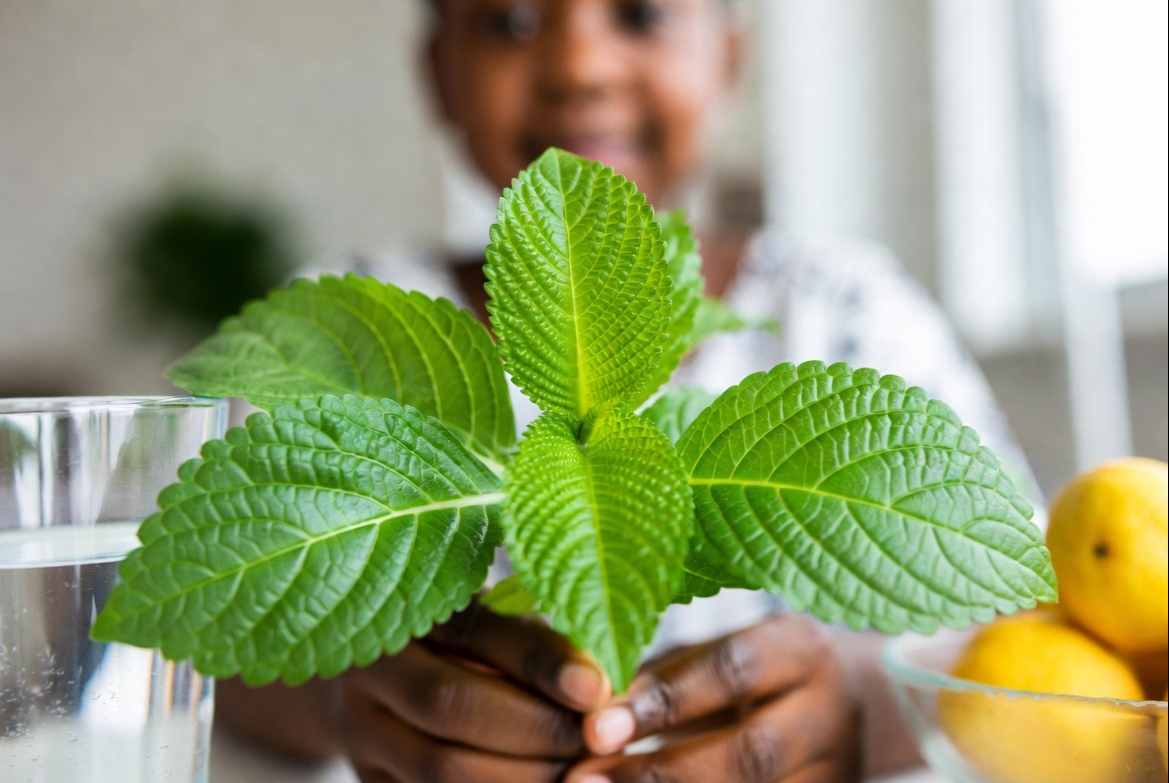
There is something quietly powerful about a plant that tastes terrible yet keeps you well. Bitter leaf, known botanically as Vernonia amygdalina, is one of those plants that does not try to impress you. It does not smell like lavender or taste like honey. It is sharp, bitter, and has been used across West and Central Africa, parts of Asia, and even in some Caribbean communities for generations. Interestingly, the world is only just beginning to understand why.

This is neither a trend nor a wellness fad wrapped in pretty packaging. It is old knowledge meeting new science, and the results are, quite frankly, remarkable.
1. It Fights Blood Sugar Like a Natural Bodyguard
People living with type 2 diabetes or pre-diabetes have long used bitter leaf as part of their management routine. Research confirms that compounds in the leaf help lower blood glucose levels by improving insulin sensitivity. It does not replace medication, but as a daily supplement or tea, it works quietly in the background, helping your body process sugar more efficiently.
Why Onions Turn You Into a Weeping Mess in Your Kitchen
2. It Supports the Liver in Ways Most People Overlook
Your liver processes everything from food to alcohol, medication, and pollution. Bitter leaf contains antioxidants that reduce oxidative stress on liver cells. Studies show it may help protect against liver damage and support the organ's ability to detoxify the body. Think of it as giving your hardest-working organ a proper rest day.
3. It Takes on Cancer Cells at the Source
This is perhaps its most exciting area of research. Several studies have identified compounds in Vernonia amygdalina, particularly sesquiterpene lactones and vernodalin, that show anti-tumour activity. These compounds have demonstrated the ability to inhibit the growth of certain cancer cells in laboratory settings. More research is needed, but the early findings are genuinely promising.
4. It Lowers Cholesterol Without Side Effects
High cholesterol is one of the world's leading contributors to heart disease. Bitter leaf has been shown to reduce LDL (bad) cholesterol whilst preserving HDL (good) cholesterol. For communities where pharmaceutical access is limited, or for those seeking a natural complement to medical treatment, this is significant.
5. It Calms Inflammation Throughout the Body
Chronic inflammation is behind almost every major illness, whether arthritis, heart disease, obesity, or depression. Bitter leaf contains flavonoids and alkaloids with strong anti-inflammatory properties. Whether consumed as a juice, tea, or added to food, it helps dial down the body's inflammatory response over time.
6. It Strengthens the Immune System Naturally
Rich in vitamins A, C, E, and B-complex, as well as zinc and iron, bitter leaf is essentially a multi-vitamin in plant form. These nutrients work together to fortify your immune system, helping your body resist infections and recover faster when illness does strike.
7. It Helps the Digestive System Function Properly
Bitter compounds, called bitters, have a well-documented role in stimulating digestive enzymes and bile production. Bitter leaf, consumed before or after meals, can ease bloating, reduce constipation, and improve overall gut function. This is why many African cuisines incorporate it directly into soups and stews.
8. It Supports Weight Loss Without Starvation
Bitter leaf suppresses appetite naturally and boosts metabolism. Its compounds help the body break down fat more efficiently, and because it reduces cravings without making you feel deprived, it supports sustainable weight management, not the crash-and-burn type.
9. It Treats Malaria Fever Traditionally
Communities across sub-Saharan Africa have used bitter leaf to manage malaria symptoms for centuries. Research has identified antimalarial activity in its extracts, with some studies showing it can inhibit the growth of Plasmodium falciparum, the parasite responsible for the most deadly form of malaria. This is ancestral wisdom backed by a laboratory.
10. It Regulates Blood Pressure
The potassium content in bitter leaf, combined with its vasodilatory properties, helps relax blood vessels and reduce hypertension. For people managing high blood pressure, incorporating bitter leaf juice regularly has shown measurable positive effects in several clinical observations.
11. It Boosts Fertility in Both Men and Women
Bitter leaf has traditionally been used to enhance reproductive health. In women, it helps regulate menstrual cycles and manage hormonal imbalances. In men, studies suggest it can improve sperm quality and motility. It is one of nature's quiet fertility allies.
12. It Cleanses the Kidney and Urinary Tract
Its diuretic properties promote healthy urine production, flushing toxins from the kidneys and reducing the risk of urinary tract infections. Communities who use it regularly report fewer kidney-related complaints, an observation that aligns with its known diuretic and antibacterial mechanisms.
13. It Protects Skin Health from the Inside
The antioxidants in bitter leaf fight free radicals that cause premature ageing. Consumed regularly, it contributes to clearer skin, reduced acne, and a more even complexion. Some traditional practitioners also apply the leaf directly to skin infections and rashes with reported success.
14. It Fights Bacterial and Fungal Infections
Bitter leaf has demonstrated broad-spectrum antimicrobial activity in research settings. It has shown effectiveness against bacteria such as Staphylococcus aureus and Escherichia coli, as well as certain fungal pathogens. In regions with limited access to antibiotics, this matters enormously.
15. It Supports Healthy Bones
The calcium, phosphorus, and manganese found in bitter leaf contribute to bone density and joint health. For older adults at risk of osteoporosis, or for active individuals putting daily strain on their joints, this nutritional profile offers quiet but consistent support.
16. It Manages Stress and Supports Mental Wellbeing
Some studies have explored bitter leaf's effect on the nervous system, suggesting it may have mild anxiolytic (anti-anxiety) properties. Its rich B-vitamin content also supports healthy brain function and mood regulation. In short, it is a natural ally in an increasingly stressful world.
17. It Helps Control Stomach Ulcers
The anti-inflammatory and antibacterial properties of bitter leaf make it useful in managing stomach ulcers, particularly those caused by H. pylori bacteria. Traditional use in this area has been supported by pharmacological studies showing protective effects on the gastric lining.
18. It Aids Recovery After Childbirth
Across West Africa, bitter leaf soup is commonly given to women after childbirth. It stimulates milk production, replenishes lost nutrients, reduces post-delivery fatigue, and helps the uterus contract back to its original size. It is functional nutrition rooted in generational care.
19. It Improves Eyesight
High in vitamin A and lutein, bitter leaf contributes to good eye health and may help reduce the risk of conditions such as cataracts and macular degeneration. In populations where fortified foods are not readily available, the plant serves as a natural source of eye-protective nutrients.
20. It Detoxifies the Blood
Perhaps one of its most celebrated traditional uses is as a blood purifier. It is believed, and increasingly supported by science, that bitter leaf helps remove toxins from the bloodstream, reducing the burden on the liver and kidneys whilst improving circulation and energy levels.
21. It Has Anti-Parasitic Properties
Beyond malaria, bitter leaf has shown activity against intestinal parasites in several studies. Communities in tropical regions where parasitic infections are common have long used it as a cleanse, and research supports the presence of compounds that disrupt the lifecycle of various parasites.
Conclusion
Bitter leaf is not glamorous. It will not come in a sleek bottle with a celebrity endorsement. However, what it offers is something far more valuable. It boasts of centuries of use, growing scientific validation, and a nutritional profile that rivals many expensive supplements.
Whether you drink it as a juice, brew it as a tea, or cook it into a hearty soup, bitter leaf earns its place at the table. It is packed with medicinal properties that support digestion, regulate blood sugar, and boost overall wellness when consumed properly. However, excessive or improper use may lead to side effects or reduce its nutritional value, so moderation is always important.
Sometimes the most powerful medicine is the one that already grows in your backyard.