


As parents, we’re often the first to notice when something feels off with our children. A slight cough, a dip in energy, or a change in appetite can quickly catch our attention. Most of the time, these are harmless and pass within a few days. Yet sometimes, what looks small on the surface can point to something more serious beneath.
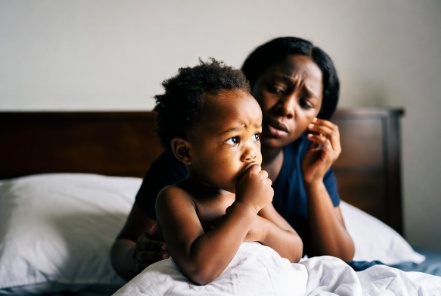
One such illness is Tuberculosis, commonly known as TB.
TB is an infectious disease that mainly affects the lungs, though it can spread to other parts of the body. It is caused by bacteria and spreads through the air when an infected person coughs or sneezes. While it is treatable, especially when caught early, it can become dangerous if ignored.
The challenge with TB is that its early signs are often mild and easy to overlook. They can resemble common illnesses like colds or flu, which is why many parents delay seeking help.
This guide is not here to frighten you. It’s here to help you stay informed, observant, and confident in protecting your child’s health. Take a closer look at these 10 early signs of tuberculosis you should never ignore, explained in simple and practical terms.
1. A Persistent Cough That Won’t Go Away
Coughs are common in children, especially with weather changes, dust exposure, or minor infections. However, a cough linked to TB behaves differently. It doesn’t fade after a few days. Instead, it lingers, sometimes for weeks.
You might notice a dry cough that gradually becomes wetter, increased coughing at night, or occasional mucus production. If your child has been coughing for more than two to three weeks, it’s important not to dismiss it as “just one of those things.” A prolonged cough is one of the earliest and most important warning signs of TB.
2. Unexplained Weight Loss
Children are constantly growing, so any noticeable weight loss can feel unusual. With TB, the body is working hard to fight infection. This effort can reduce appetite and lead to gradual weight loss. It may not happen overnight, but over time, you might notice clothes fitting more loosely, a thinner appearance, or reduced interest in food.
Most parents often assume it’s a phase or picky eating. However, when weight loss continues without a clear reason, it’s worth investigating.
The Postpartum Depression No One Warned You About
3. Constant Tiredness and Low Energy
Children are naturally energetic. Even after a busy day, they usually bounce back quickly.
TB-related fatigue feels different. It is persistent and doesn’t improve much with rest. Your child may seem unusually quiet or withdrawn, lose interest in playtime or favourite activities, or complain of feeling weak or tired frequently.
This kind of tiredness can be easy to overlook, especially if life is busy. However, when a child consistently lacks energy, it’s often a sign that the body is under stress.
4. Fever That Comes and Goes
Not all fevers are obvious or high. TB often causes a low-grade fever that appears mostly in the evening and disappears by morning. Since it is mild, most parents may not even measure it every time.
However, when you notice the following, it is time to take instant action. Warm skin in the evenings, slight discomfort or irritability, and a pattern that repeats over several days or weeks are telltale signs that something is wrong.
This recurring fever pattern is one of the subtle ways TB shows up in its early stages.
5. Night Sweats
One of the more distinctive symptoms of TB is sweating during sleep. Your child may go to bed comfortably, but wake up with damp clothing, wet pillows or bedsheets and a feeling of discomfort despite a cool environment.
Night sweats may not happen every night, which makes them easy to ignore. However, repeated episodes should raise concern.
6. Loss of Appetite
Children can be selective about food, but TB-related appetite loss is more consistent. You may notice your child refusing meals regularly, eating much smaller portions than usual, or a lack of interest even in favourite foods.
This isn’t just about fussiness. It’s the body responding to illness. Over time, this reduced appetite contributes to weight loss and weakness.
7. Swollen Lymph Nodes
Lymph nodes are part of the body’s defence system. When the body is fighting infection, these nodes can swell. In children with TB, you may notice small lumps around the neck or under the jaw, swelling that doesn’t go away, and nodes that are firm but not necessarily painful.
Since they don’t always hurt, they can be easy to overlook. Notwithstanding, persistent swelling should always be checked by a healthcare professional.
8. Chest Pain or Difficulty Breathing
As TB mainly affects the lungs, it can cause discomfort in the chest. Your child may complain of pain when coughing, feel discomfort when taking deep breaths, or show mild difficulty in breathing.
In some cases, breathing may appear faster or more laboured than usual. Any sign of chest pain or breathing difficulty should be taken seriously and assessed promptly.
9. Blood in Cough — In More Advanced Cases
While not always present in the early stages, coughing up blood is a serious symptom. It may appear as streaks of blood in mucus or small amounts of blood when coughing.
This is a sign that the infection has progressed and requires urgent medical attention. Even a small amount should never be ignored.
10. Slow Growth or Delayed Development
In children, ongoing illness can affect growth. TB can interfere with the body’s ability to develop properly because so much energy is being used to fight infection.
You might notice slower weight gain, delayed height growth, or general physical weakness compared to peers. These changes can happen gradually, making them easy to miss unless you are paying close attention.
Why Early Detection Is So Important
The good news is that tuberculosis is treatable. With the right diagnosis and proper medication, most children recover fully. Most importantly, the key is early detection. When TB is caught early, treatment is more effective, recovery is faster, and the risk of spreading the infection is reduced.
When it is ignored, the disease can become severe, it may spread to other parts of the body, and can even affect others in close contact. So, take note that early action protects not just your child, but your entire family.
What You Should Do As a Parent
If you notice one or more of these symptoms, especially if they persist, stay calm, observe carefully, and seek medical advice promptly.
A healthcare provider may recommend simple tests to confirm whether TB is present. These tests are important and should not be delayed.
Avoid self-medication or guessing the cause. Professional guidance is always the safest route.
Daily Steps to Protect Your Child
While not all cases can be prevented, there are simple steps that can reduce risk:
* Keep your home well-ventilated
* Encourage regular handwashing
* Ensure your child receives recommended vaccinations
* Avoid close contact with people who have untreated coughs
* Seek medical advice early when symptoms persist
Small habits can make a big difference over time because they build consistency in how you protect your child’s health. These simple actions may seem minor, but they add up in powerful ways. Over time, these daily choices create a safer environment and help you spot potential health concerns before they become serious.
A Gentle Reminder for You!
Parenting often requires balancing caution with calmness. Not every cough is serious. Not every fever is dangerous. However, patterns matter.
When symptoms linger, repeat, or don’t feel quite right, it’s always worth paying attention. Trust your instincts. You know your child better than anyone else.
In a Nutshell
Tuberculosis may begin quietly, with signs that seem small and easy to ignore. Yet, those small signs can be early warnings. By staying informed and attentive, you give your child the best chance at early treatment and full recovery.
Your awareness is your child’s protection. Sometimes, noticing the little things can make the biggest difference.


Comments (0)
Please sign in to join the conversation.
Loading comments...