


Patriotism does not always begin with grand speeches, national celebrations, or waving a flag during public events. In most families, the first seeds of love for one’s country are planted quietly at home. They grow through daily conversations, shared values, and the small habits parents pass on to their children.

Children learn more from what they see than from what they are told. When you show respect for your country, its people, and its values, your children begin to absorb those lessons naturally. Patriotism, at its heart, is simply love, responsibility, and pride in the place you call home.
Here are simple and meaningful ways you can nurture patriotism within your homes.
1. Tell Stories About Your Nation’s History
Children are naturally curious about stories. Instead of presenting history as a list of dates and events, you can bring it to life through storytelling.
Talk about the people who helped shape the country, the challenges the nation faced, and the sacrifices that were made for freedom and progress. Stories about bravery, unity, and perseverance can inspire children to feel proud of their heritage.
Family storytelling time can easily become a powerful way to connect your children with their national identity.
2. Celebrate National Days Together
National holidays are perfect opportunities for families to celebrate their country. Whether it is Independence Day or another important national event, you can turn the day into a meaningful family moment.
Watch parades together, discuss why the day matters, cook traditional foods, or simply talk about the values the celebration represents. This is important because children who grow up marking these occasions at home begin to understand that they are part of something bigger than themselves.
3. Teach Respect for National Symbols
National symbols such as the flag, the anthem, and the coat of arms represent the identity of a country. Teaching your children to respect these symbols can help them understand the meaning behind them.
You can explain what the colours of the flag represent or why the national anthem is important. These conversations should not feel forced. Instead, they can happen naturally during events, school activities, or moments when the anthem is played. Through simple explanations, your children begin to see these symbols as meaningful rather than ordinary.
4. Encourage Community Service
One of the most practical ways to teach patriotism is by encouraging your children to care about their communities. Helping a neighbour, participating in a community clean-up, donating clothes to those in need, or volunteering as a family are all acts that build responsibility and empathy.
When your children understand that loving their country includes caring for the people who live in it, patriotism becomes real and practical.
5. Speak Positively About Your Country
Every country has its challenges. However, your children should also hear about the positive aspects of their nation. You can talk about the country’s achievements, its culture, its creativity, and the resilience of its people.
Balanced conversations can help your children develop pride without ignoring reality. However, when you, as parents, constantly complain about your country without offering hope, your children may grow up feeling disconnected from it.
Hopeful and constructive discussions help nurture responsible citizens.
6. Introduce Cultural Traditions
Culture is one of the strongest links between children and their country. So, you can share traditional music, food, clothing, stories, and customs. Cooking local dishes together, listening to cultural music, or attending cultural events can help your children appreciate the richness of their heritage.
These experiences make patriotism feel warm, personal, and joyful rather than abstract.
7. Teach Responsibility and Good Citizenship
Patriotism is not only about feeling proud of one’s country. It is also about behaving responsibly within it. You can teach your children simple civic values such as obeying laws, respecting public spaces, being honest, and treating others with fairness.
When your children grow up understanding that their actions affect the nation’s well-being, they begin to see themselves as contributors to their country’s future.
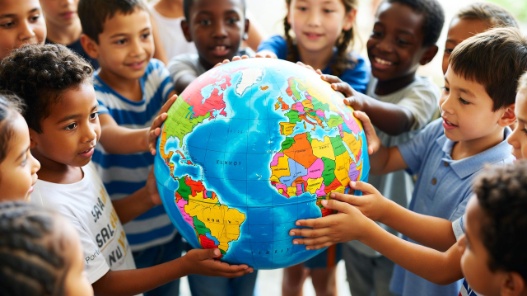
8. Encourage Curiosity About the World
Interestingly, teaching your children to appreciate other countries can also strengthen their love for their own. You can encourage your children to learn about other cultures and nations while helping them appreciate what makes their own country unique. This balanced view helps children develop respect, humility, and confidence in their identity.
True patriotism is not about believing one country is better than all others. It is about loving your home while respecting the wider world.
9. Be a Role Model
Perhaps the most powerful lesson comes from you as a parent. Children watch how adults behave. So, when you vote, respect laws, speak kindly about your nation, and contribute positively to society, your children learn that patriotism is something lived daily.
Simple actions such as keeping public spaces clean, helping others, and showing kindness to fellow citizens leave lasting impressions.
10. Create a Sense of Belonging
At its core, patriotism grows from a sense of belonging. When your children feel that they are valued members of their community and country, they naturally develop pride in it.
You can nurture this feeling by helping children understand that their voices matter, their contributions matter, and their future is connected to the future of the nation. When children feel that connection, patriotism grows naturally.
Final Thoughts
Patriotism does not have to be loud or dramatic. Often, it grows quietly through everyday moments at home. Through stories, traditions, respect, and service, parents can help children develop a deep and lasting love for their country.
The goal is not to raise children who simply praise their nation, but to raise thoughtful citizens who care about its well-being and future. When families nurture these values at home, they help build a generation that is proud, responsible, and hopeful about the country they will one day lead.


Comments (0)
Please sign in to join the conversation.
Loading comments...