

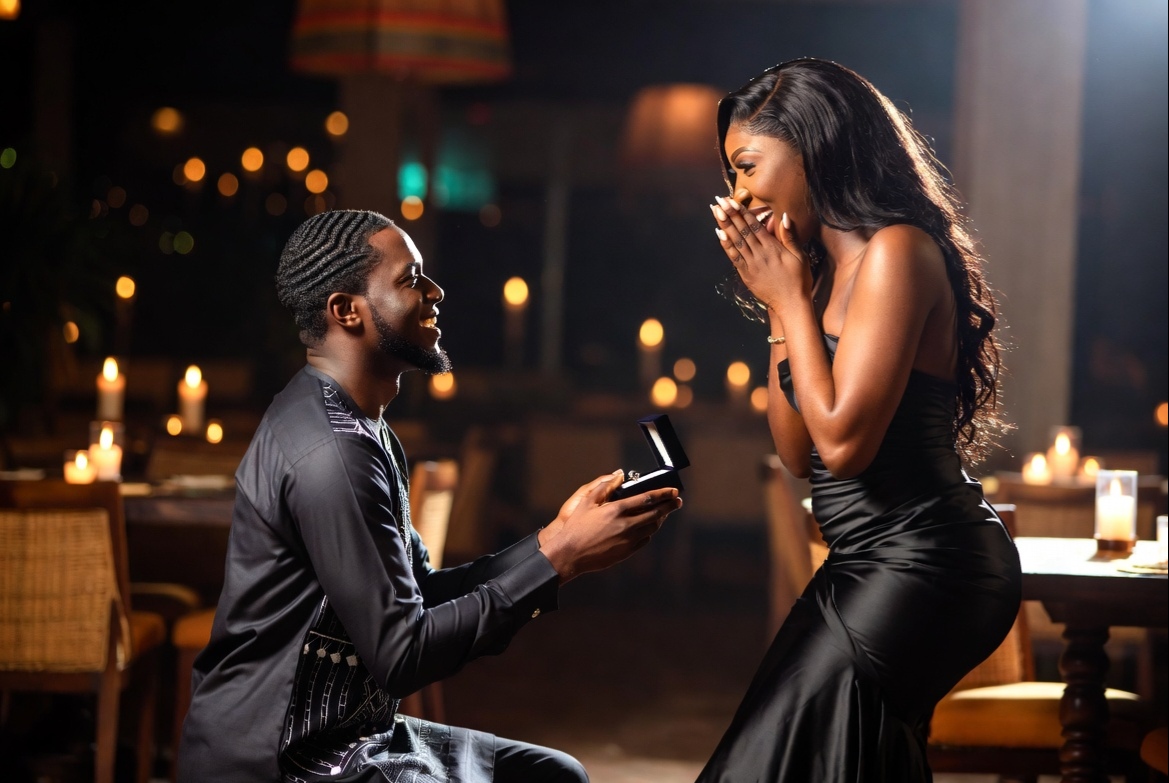
There is something about that single gesture, one knee on the floor, a ring in hand, eyes looking up with hope, that stops people in their tracks. Strangers cheer in restaurants. Friends burst into tears at airports. Videos of it rack up millions of views before breakfast.
However, have you ever stopped mid-sob to wonder: where on earth did this tradition actually come from? Who was the first person to drop to one knee and say, "Will you marry me?" and why did the rest of the world just go along with it?
The answer, as it turns out, is far older, far richer, and far more fascinating than most people realise.
It Began Long Before Diamond Rings Were a Thing
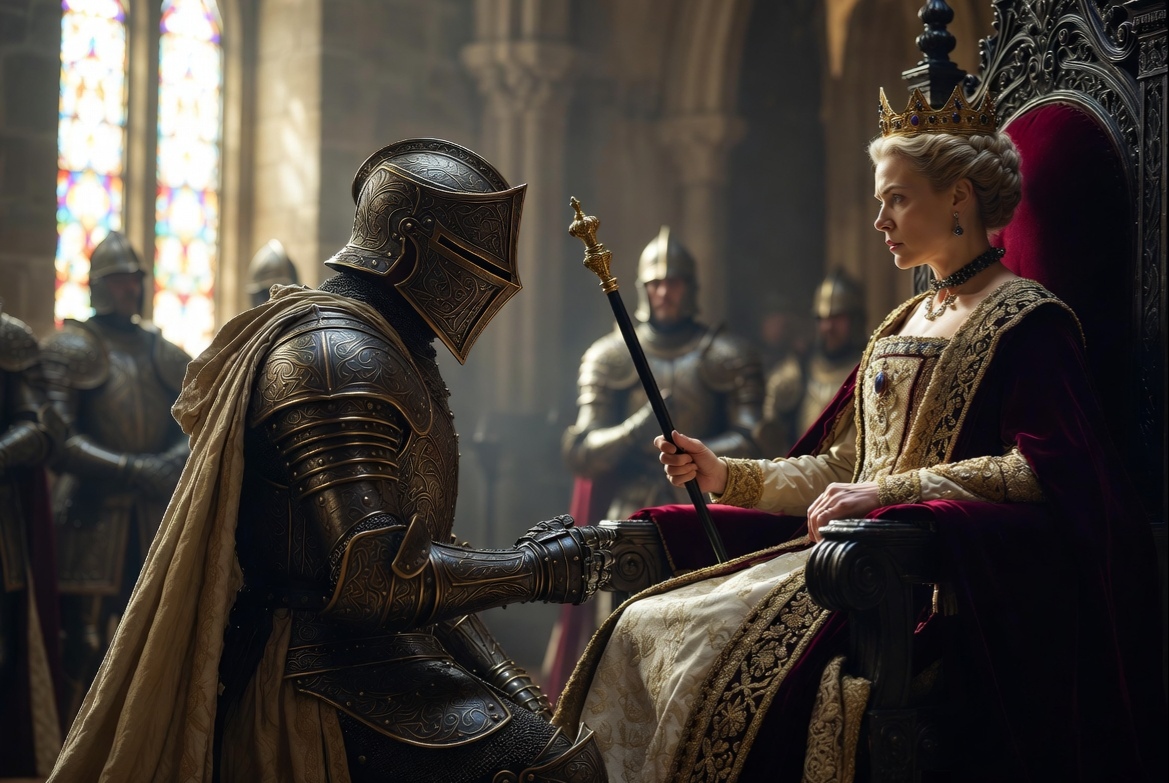
To find the roots of the one-knee proposal, you have to travel back to medieval Europe, a world of castles, swords, and a rather theatrical approach to love. Knights, those armoured warriors of the Middle Ages, were expected to kneel before their lords and sovereigns as a show of loyalty, submission, and deep respect. Kneeling was not a weakness. It was devotion made physical.
Helping Your Children Stay Connected to Their Roots in a Globalised World
It was out of this culture that something called courtly love grew. Courtly love was essentially a code of romantic behaviour, a set of unwritten rules about how a nobleman ought to pursue a noblewoman. Poets wrote about it. Troubadours sang about it. At the very heart of it was the idea that a man pursuing a woman should place himself below her, not just emotionally, but literally. He would kneel before her as he would kneel before a queen, because in his eyes, that is precisely what she was.
This gesture communicated everything without a single word. I am yours. I choose you above all others. I am not ashamed to be humbled by love.
The Church Gave It a Sacred Layer
Religious life in medieval and early modern Europe added another dimension to the act of kneeling. People knelt to pray. They knelt at altars. Kneeling was reserved for the most sacred, most sincere moments of a person's life. When a man knelt before the woman he loved, he was consciously or not borrowing the language of worship. He was saying that this moment, this woman, this choice, was holy to him.
It was not performance. It was profession.
The Church, which governed marriage in Europe for centuries, reinforced the idea that matrimony was a sacrament. Something sacred, not merely social. A kneeling proposal, then, felt entirely fitting. It mirrored the posture of prayer, of commitment, of something that went deeper than words.
The Victorians Made It Romantic and Made It Famous
If the medieval period gave the gesture its meaning, the Victorians gave it its glamour. The 19th century was, in many ways, the golden age of romantic sentiment. Queen Victoria herself was famously devoted to Prince Albert, and their love story influenced an entire culture. Romance became fashionable. Love letters became an art form. The public proposal became theatre.
During the Victorian era, the rules around courtship were incredibly strict. A young man could not simply ask a woman to marry him over a casual cup of tea. There were expectations. There was protocol. So, getting down on one knee became part of that protocol, a visible, undeniable declaration that this was not a casual question but a life-altering one.
Literature helped enormously. Novels of the period were full of passionate men dropping to their knees in drawing rooms, gardens, and moonlit parks. Readers lapped it up. Life began to imitate art, and the tradition cemented itself into the cultural fabric of British and, eventually, Western society.
Why One Knee and Not Two?
This is the question people rarely think to ask, and it is a rather good one. Two knees meant total submission. The posture of surrender, a prisoner, and someone utterly powerless. One knee, however, told a different story. One knee was the posture of the knight before the king, respectful, devoted, but still strong. Still present. Still a partner.
A man on one knee was saying: I bow before you, but I stand ready to walk beside you. There is a beautiful balance in that, vulnerability without helplessness and devotion without desperation.
A Gesture That Has Outlasted Empires
What is truly remarkable is that this tradition has survived everything. It has outlasted kingdoms, survived two world wars, adapted through feminism, and found its place in same-sex proposals the world over. In a world where so many traditions have crumbled or been rightly discarded, the one-knee proposal endures because it still means something.
It is neither about gender nor about power. At its core, it is about one human being choosing to make themselves completely vulnerable in front of another and saying: You are worth it. This is worth it. I am all in.
The Real Magic Behind the Moment
Perhaps that is why videos of proposals still go viral every single day. In a world that can feel cold and hurried, watching someone kneel, watching them be that brave, that open, that sure reminds us that love is still the most powerful thing there is.
The ring catches the light. The question hangs in the air. For one extraordinary moment, centuries of history, faith, chivalry, and raw human longing all collapse into a single, trembling word: Yes!
Comments (0)
Please sign in to join the conversation.
Loading comments...