

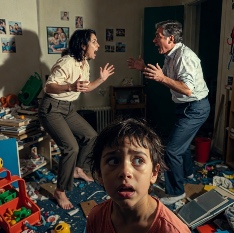
- Domestic violence exposes children to trauma, causing immediate fear, anxiety, regression, and stress, while creating long-term risks of depression, PTSD, aggression, and repeating the cycle in adulthood.
- Breaking this cycle requires urgent awareness, community support, counseling, and safe spaces to protect and heal children from the devastating effects of family abuse.
Domestic violence, also known as intimate partner violence, refers to a pattern of abusive behavior (physical, emotional, sexual, or financial) used by one partner to control another in a family setting. It occurs in homes across the world, including in Nigeria, where studies show that a significant number of children are exposed to or experience some form of violence within the family. Even when children are not directly abused, simply witnessing violence between parents or caregivers creates a traumatic environment. This exposure affects millions of children globally, leading to profound and lasting harm on their emotional, psychological, and physical development.
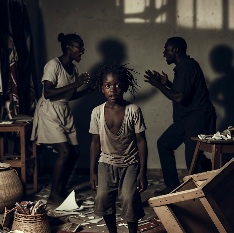
Children who grow up in homes with domestic violence often experience immediate effects such as fear, anxiety, and confusion. Young children may regress, showing behaviors like bed-wetting, excessive crying, or clinging to caregivers, while school-aged children might struggle with guilt, blaming themselves for the conflict. They can develop sleep disturbances, nightmares, or signs of severe stress, such as stuttering or hiding. These reactions stem from living in constant uncertainty and fear, where the home, meant to be a safe space, becomes a source of terror.
The long-term consequences are even more alarming. Children exposed to domestic violence are at higher risk of developing mental health issues like depression, post-traumatic stress disorder (PTSD), and low self-esteem. Behaviorally, they may become aggressive, withdrawn, or struggle academically due to difficulty concentrating. Research shows these children face poorer health outcomes and are more likely to engage in risky behaviors later in life. Tragically, many carry the trauma into adulthood, increasing their chances of either becoming victims or perpetrators in their own relationships, thus perpetuating the cycle of violence.
Breaking this cycle requires awareness, intervention, and support. Families, communities, and authorities must prioritize protecting children by providing safe spaces, counseling, and legal protection for victims. Early help, through schools, religious groups, or helplines, can make a difference, offering children the chance to heal and build healthier futures. No child should bear the weight of adult violence; addressing domestic abuse not only saves families but safeguards the next generation.


Comments (0)
Please sign in to join the conversation.
Loading comments...