


You’re in the children’s ward at 2 a.m. with a feverish toddler, the doctor asks about family history of allergies or asthma and your mind goes blank. Or your partner suddenly needs surgery, and no one remembers the exact medications or past reactions. In busy homes, these moments hit hard. Scattered papers, lost lab results, forgotten diagnoses… it adds stress when you’re already stretched thin on time and finances.
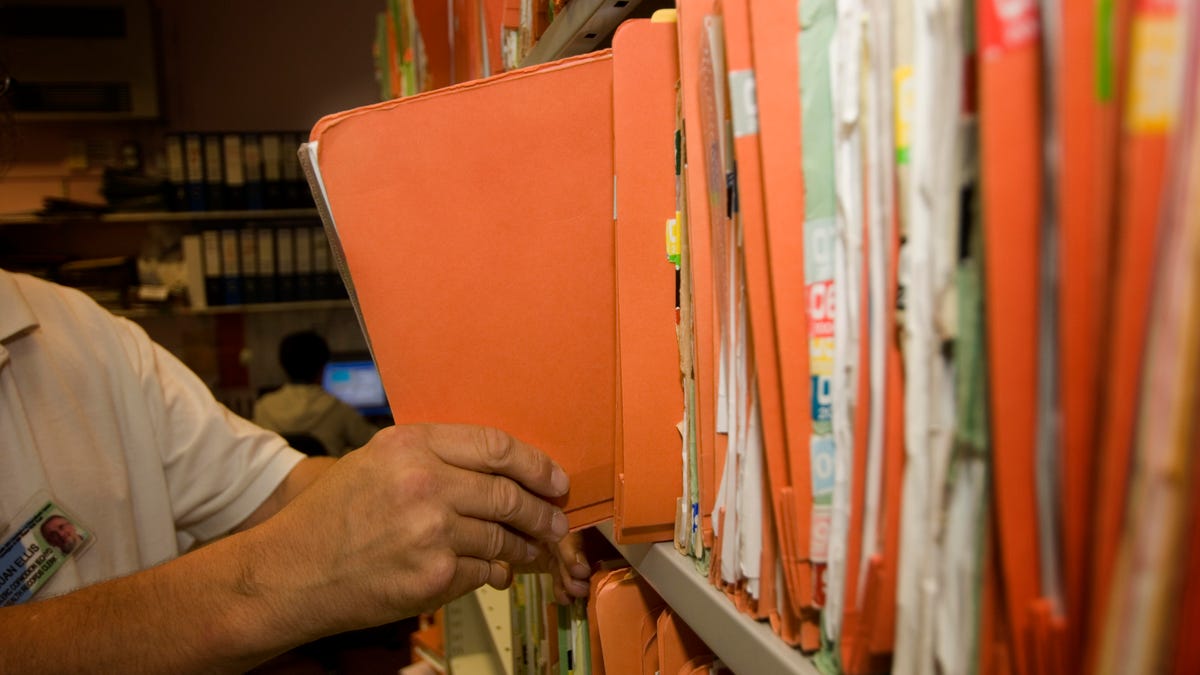
Family life isn’t always smooth, and health surprises don’t wait for perfect organization. But when you track medical records together, you turn chaos into clarity. It’s not about becoming a medical expert or creating a flawless system overnight. It’s about small, practical habits that protect everyone — from the youngest to the grandparents who visit during holidays.
Mothers Are Using These Seven Patterns Manage Emotional Distance Between Sisters
Here are 13 real reasons why you and your family should start tracking medical records together. These come from everyday parenting realities, not some ideal checklist.
1. Spot hereditary patterns early and act smarter
Many conditions like hypertension, diabetes, sickle cell trait, or certain cancers run in families. When you track records together, you see the bigger picture instead of isolated incidents. No panic — just informed steps that could save stress and money later. Doctors love this info because it helps them personalize care instead of guessing.
2. Reduce medical errors and repeated tests
How many times have you redone blood work because old results were missing? Shared tracking means you carry a clear summary to every appointment. Fewer duplicate scans or conflicting prescriptions mean less wasted time and hospital bills — something every parent juggling finances appreciates deeply.
3. Make emergencies less chaotic
In a crisis, seconds count. If family members know where to find allergies, current medications, or past surgeries, they can advocate clearly when you can’t speak for yourself or your child. Peace of mind in scary moments is priceless.
4. Empower older kids and teens with ownership
As children grow, they need to understand their own health story — vaccinations, allergies, or family risks like asthma that run on your side. Tracking together teaches them responsibility without overwhelming them. A 14-year-old who knows her family history of eczema can explain symptoms clearly at the clinic instead of shrugging.
5. Support smooth transitions between doctors or hospitals
Moving houses, changing jobs, or switching from private to general hospital? Records get lost easily. A shared family system — even a simple phone app or folder — makes handovers faster and more accurate. This is especially helpful in places where paperwork can disappear between visits.
6. Improve long-term prevention for the whole family
Knowing Uncle had diabetes at 45 or Grandma’s high blood pressure helps everyone make better daily choices — more walks, mindful eating, regular checks. It shifts focus from reacting to sickness to building habits that keep everyone stronger. Small changes compound, especially when finances limit frequent doctor visits.
7. Save time, money, and emotional energy
Repeated tests, lost prescriptions, or delayed care add up, so a centralized record cuts through that. Parents often become the default “family health manager” — mums and dads alike. Sharing the load means less mental load for everyone and more energy for actual living, like family time or side hustles.
8. Prepare for life stages and surprises
Pregnancy, teenage growth spurts, menopause, or caring for aging parents — each stage brings questions. Shared records help answer them. Couple can track their child's vaccination history and catch a missed booster before secondary school admission stress hit. This can turn potential panic into manageable planning.
9. Build better communication and teamwork at home
Talking about health records opens gentle conversations because it reduces blame and builds a team feeling. In many family, it means extended support and strengthens the village around your children.
10. Advocate effectively for children with special needs or chronic conditions
If one child has asthma, ADHD, or needs regular follow-ups, clear records help teachers, relatives, or new doctors understand quickly. No more repeating the story from scratch. It ensures continuity and better support without constant exhaustion.
11. Pass on a valuable legacy to the next generation
Your kids will one day ask about family health when they start their own families. A tracked record becomes a thoughtful gift — clearer than vague stories passed down. It empowers them to make informed choices about screenings or lifestyle, breaking cycles where possible.
12. Handle travel, school, or relocation with confidence
You want ot plan summer visits to grandparents, international school forms, or sudden moves? Having immunization records, blood types, or allergy lists ready prevents last-minute scrambles. It’s practical peace for families on the go.
13. Create a sense of shared care and reduce isolation
Health worries can feel lonely when everything lives in one parent’s head. Tracking together spreads the mental load and reminds everyone, fosters empathy — kids see parents prioritizing well-being, and partners feel supported.
None of this requires fancy apps or perfect discipline from day one. Start simple: a shared Google Drive folder, a notebook in the drawer, or a phone note everyone can access. Update after every hospital visit or annual check. Include basics — vaccinations, allergies, major diagnoses, medications, and family history notes. Involve older kids in adding their own bits; make it a low-pressure Sunday ritual.