
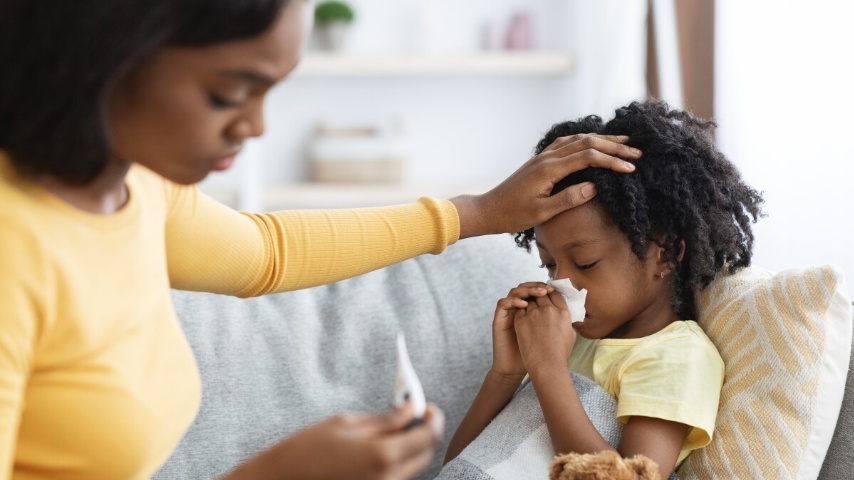
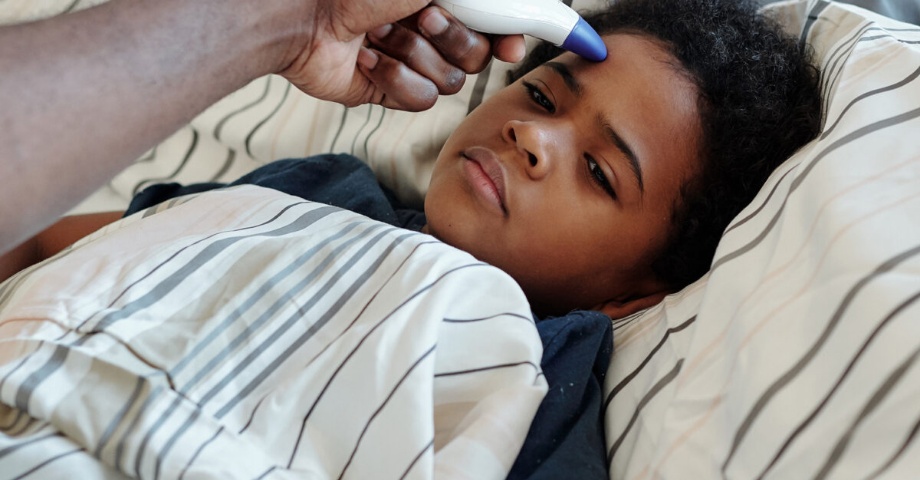
It's 2 a.m. in your flat, your first child is down with a stubborn fever that barely touches the second. One bounces back from every cough like it's nothing; the other seems to catch every bug floating through school or the family compound. You and your partner look at each other — healthy enough, no major dramas in your own childhoods — and ask the quiet question: How come they turned out so different when they came from us?
It's the beautiful, sometimes frustrating reality of how bodies work. In homes, where we already track family traits like "strong head" or "sugar in the blood," understanding why kids get ill differently brings relief and real power. No two children inherit or live the exact same hand, even from the same parents.
11 Benefits Why Your Children Should Talk About Genetic Health Risks
Here are 10 practical insights that explain it — grounded in everyday family life, not lab coats. They'll help you respond with less worry and more wisdom.
1. Genetic shuffling creates unique combinations every time.
When sperm meets egg, it's not a photocopy — it's a remix: Each child gets a random half from you and a random half from your partner. One might inherit the version of a gene that makes fighting infections easier; another gets the combo that leaves them more open to allergies or frequent colds. Think of it like dealing cards: same deck, different hands. In families with sickle cell trait, one child might carry only the trait while a sibling gets the full condition if both parents pass the risky version.
2. Epigenetics means your life experiences tweak how genes "speak."
Genes aren't fixed instructions; they're more like a recipe that can be adjusted. What you ate during pregnancy, stress from work or traffic, exposure to smoke or pollution can switch genes on or off without changing the DNA itself. A mum who faced tough times might pass subtle marks that affect how her child's body handles inflammation. Dad's habits before conception matter too. This can explain why one sibling raised in the same house reacts differently to the same food or weather. Positive changes you make now (better sleep, less processed food) can influence expression for the better.
3. In utero environment isn't identical for every pregnancy.
First pregnancy might have more nutrients or less stress than the fourth. Spacing, maternal age, infections during one gestation, or even the baby's own placenta setup can create tiny differences. One child might come out primed for robust immunity; another starts life with a more sensitive system. In busy households juggling work, extended family help, and multiple kids, this variation feels normal — not personal.
4. Early childhood exposures shape immune systems uniquely.
One might attend a crowded creche early and build tolerance to common viruses faster. Another stays home longer with grandparents and meets bugs later, hitting harder when they do. Breastfeeding duration, first solid foods, vaccinations timing, even how much time they spend playing in dusty compounds or breathing generator fumes — all wire responses differently. One catches every cough; the other powers through.
5. Siblings share genes but not the full mix.
Even full siblings differ because of that random recombination: One might dodge a family tendency toward asthma while another inherits a stronger version. Add in sex difference — boys and girls process some illnesses differently due to hormones and chromosomes. In many families, we notice patterns like "the boys take after Uncle's chest" or "the girls get Mummy's skin reactions." Celebrating these differences instead of comparing, reduces unnecessary pressure.
6. Lifestyle and home environment amplify small genetic edges.
You and your partner might eat similarly now, but your kids experience your evolving habits at different ages. One grows up during leaner times with more street food; another benefits from better awareness and home-cooked balanced meals with veggies and less oil. Sleep routines, screen time, exercise (playing football vs. sedentary gaming), even emotional climate during tough financial seasons — all tip the scale. A calm, consistent home can soften inherited sensitivities; constant tension might heighten them.
7. Infections and local realities hit kids harder in unique ways.
In malaria-endemic areas like ours, some children handle parasites better due to subtle genetic protections or prior exposures, while others get knocked down repeatedly. Same with common respiratory bugs or tummy issues from water or food. Young immune systems are still learning, so frequency feels higher than in adults. One child might recover quickly, thanks to a robust spleen response; another needs more support.
8. Mental and emotional load influences physical resilience.
School pressure, bullying, family transitions, or even hearing adult money worries can affect how a child's body fights illness. One kid internalizes quietly and shows it through frequent headaches or slow recovery; another acts out but bounces physically faster. In culturally rich but demanding homes — where respect, academics, and "hustle" matter — we sometimes overlook this link. Naming it gently helps.
9. Age, development stage, and timing matter enormously.
The same bug that barely registers at age 8, can flatten a 3-year-old or linger in a teen whose hormones are shifting. Growth spurts demand more energy, leaving less for immunity. One child hits a vulnerable window during a family move or harmattan season; another sails through. Tracking patterns over years (not single incidents) reveals their unique rhythm instead of assuming something's "wrong."
10. Unknowns and randomness are part of the human package.
New mutations, chance exposures, or interactions we don't fully understand yet play roles. Elders might share stories of "that one who was always delicate" without clear reasons. This insight frees us from over-analysis or guilt and invites humility: we guide what we can, support what we can't, and focus on building overall strength through love, nutrition, movement, rest, and timely medical care.
These insights don't erase tough nights with a vomiting toddler or anxious trips to the clinic. But in our context, where healthcare access varies between general hospitals, private labs, and traditional wisdom, knowing your child's pattern helps you advocate smarter without panic.