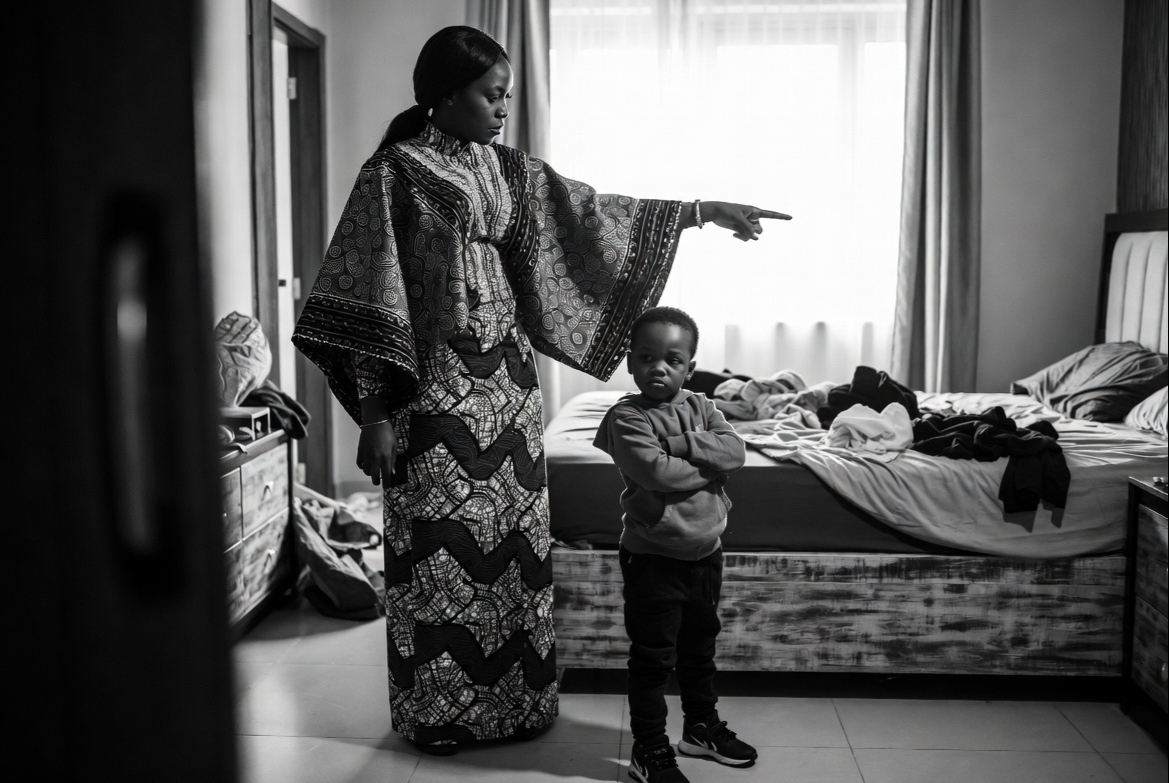

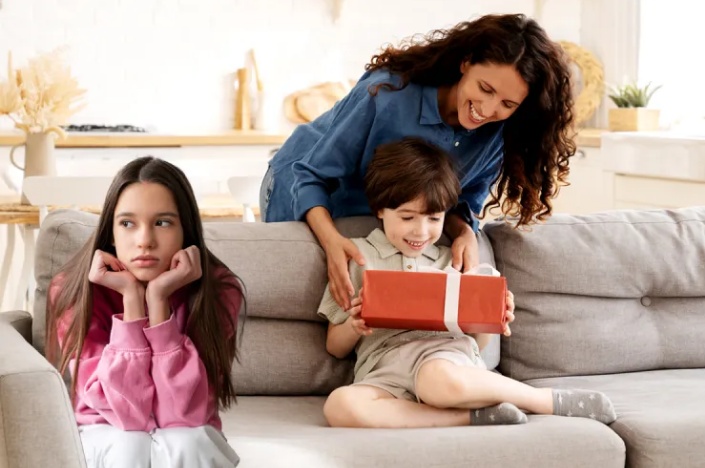
Something every parent with more than one child has felt at some point — that sneaky voice in your head that whispers, “Why can’t she sit still like her brother?” or “Her sister was reading at this age already.”
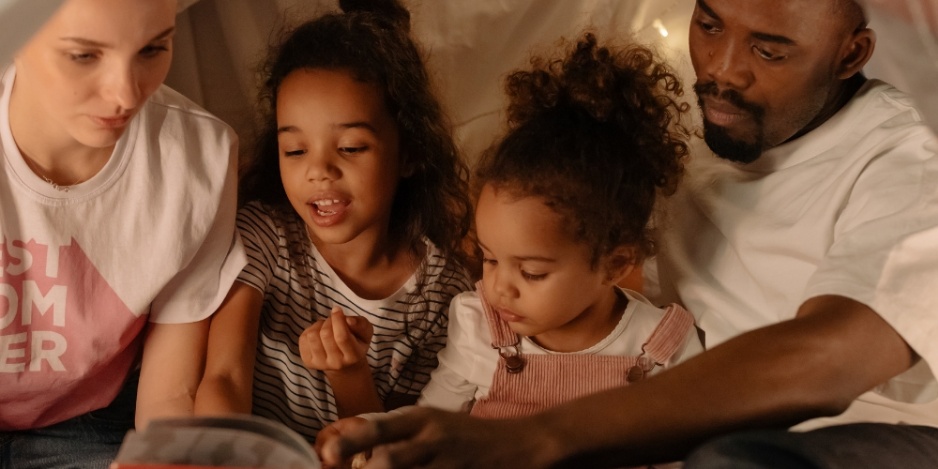
It slips out during dinner, school runs, or quiet moments scrolling through family photos. You love them all fiercely, yet comparison creeps in. It’s not because you’re a bad parent. It’s because you’re human, juggling different personalities, moods, and milestones under one roof.
Your Husband's Female Colleague Calling Late At Night? Do These Six Things Instead of War
You can catch it, redirect it, and build a home where each kid feels seen for exactly who they are. Here are 10 practical ways to stop comparing your children — drawn from real family life, not some perfect Instagram version.
1. Catch the thought before it leaves your mouth
That split-second “Your brother never did that” moment? Pause and notice it. Many parents don’t even realize how often comparisons fly until they start listening to themselves.
Keep a quick mental note or voice memo for a week. You’ll spot patterns — maybe it happens more when you’re tired or stressed about school reports. Awareness is the first quiet win.
2. Zoom in on each child’s unique timeline
Kids develop at their own pace, and that pace rarely matches a sibling’s. One might walk early and talk late; another chats nonstop but takes forever to tie shoelaces. Instead of measuring against each other, track each child against their own past. This shifts focus from competition to personal growth — something that actually builds confidence.
3. Ditch the labels — “the smart one,” “the sporty one,” “the quiet one”
Labels feel harmless, but they box kids in. The “sporty one” might secretly love books, yet feel pressure to perform on the field. The “quiet one” could be bursting with ideas but holds back because that’s their assigned role.
Speak to the behavior or moment, not the fixed identity. “I see you worked really hard on that puzzle” lands differently than “You’re always the patient one, unlike your sister.”
4. Celebrate effort and process, not just outcomes
In many homes, praise often goes to results: top grades, first place, perfect behavior. But effort is where character grows.
Say: “I’m proud of how you kept trying even when the math was tough.” This works across cultures because it honors the journey, not a ranking. It frees kids from feeling they must outperform a sibling to earn your pride.
5. Create one-on-one time without an agenda
Comparison thrives in group dynamics when you’re refereeing arguments or dividing attention. Carve out regular solo time with each child — even 15–20 minutes of undivided attention doing something they love. No comparing notes later; Just be present. This reminds you (and them) that your love isn’t divided or ranked; it’s multiplied and tailored.
6. Reframe sibling differences as strengths for the family team
Instead of “Why can’t you be more organized like your brother?”, try “Your brother is great at keeping things tidy — and you bring so much creativity to our home. Together you make a good balance.”
This subtle shift turns potential rivalry into teamwork because family unity is already a core value — lean into that. Siblings aren’t rivals; they’re lifelong teammates with different superpowers.
7. Handle your own triggers honestly
Comparison often says more about us than our kids. Maybe you worry about providing enough, or you’re replaying how your own parents compared you to cousins. Maybe social media highlights make you question if your family measures up.
Be kind to yourself here and talk to a partner, friend, or journal it out. When you ease the pressure on yourself, it naturally spills over to how you see your children. Parenting isn’t a performance review.
8. Use neutral, descriptive language
Instead of “Your sister finished her homework quickly, why is yours taking so long?”, say: “I notice you’re still working on that page. What part feels tricky right now?”
Describing what you see helps the child feel understood rather than measured. It also trains you to stay curious about the child in front of you.
9. Limit the comparison fuel
Family WhatsApp groups, school parent chats, or visits to relatives can spark unintentional comparisons: “Aunty said her son scored higher…”
Set gentle boundaries. Remind yourself that every family shows only highlights. Protect your peace and your kids’ sense of enough-ness.
10. Model self-compassion and gratitude out loud
When you catch yourself comparing your parenting to another mum or dad, say it gently: “I was feeling a bit down comparing myself earlier, but I’m choosing to focus on what’s working for us today.”
This teaches emotional honesty and resilience. Gratitude shift the whole family mindset away from ranking toward appreciation.
These aren’t quick fixes that erase every slip-up. Some days you’ll still feel the tug, especially during tough seasons like exams, teenage moods, or when finances stretch thin and you worry about giving each child equal opportunities. The goal isn’t perfection; it’s progress that lets your kids grow up knowing they are loved for who they are, not how they stack up.