

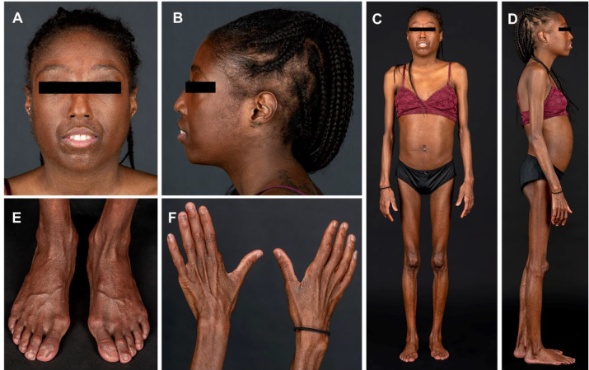
You look in the mirror and see a body that appears incredibly lean and almost athletic, defined in a way many people might admire. Yet, beneath that appearance, something is not right. Your body is unable to store fat properly under the skin, so instead, it pushes that fat into places it should not be: your liver, muscles, and bloodstream.
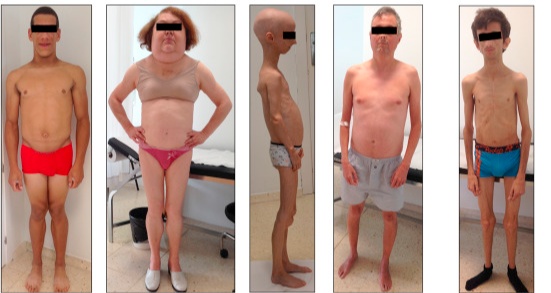
This is the strange and often misunderstood reality of Lipodystrophy Syndrome, a rare group of conditions that turns the usual rules about body fat completely upside down.
12 Hidden TB Triggers In Your Home
Most people think body fat is simply about weight, too much or too little. However, for those living with lipodystrophy, it is not about how much fat the body has; it is about where that fat goes. Fat may disappear from visible areas like the face, arms, or legs, while quietly building up in dangerous places inside the body.
Hence, what looks like a “fit” or lean physique on the outside can, in reality, hide serious metabolic challenges on the inside, making this condition as complex as it is invisible.
This condition may be rare, but its impact is deep, physically, emotionally, and socially. So, understanding it is the first step towards empathy, early detection, and better care.
Below are 20 essential things you should know about lipodystrophy syndrome.
1. It Is Rare, but Its Effects Are Profound
Lipodystrophy syndrome does not affect millions, but for those who have it, it changes daily life. Since it is uncommon, many people, even some healthcare providers, may not recognise it immediately. This often leads to confusion, frustration, and delayed support.
2. It Is About Fat Distribution, Not Body Size
One of the biggest misconceptions is that lipodystrophy is about being “too thin” or “too fat.” In reality, it is about where fat is stored. A person may appear slim but still have dangerous fat accumulation around internal organs, which is far more harmful.
3. The Body’s Fat Storage System Is Disrupted
In a healthy body, fat is stored under the skin and used as energy when needed. In lipodystrophy, this system breaks down. Fat cells may be missing, damaged, or unable to function properly, forcing fat to be stored in places like the liver and muscles.
4. There Are Several Types of Lipodystrophy
Not all cases look the same. The condition can be Congenital (present from birth due to genetic factors) or Acquired (developing later due to illness or treatment). Each type has its own pattern of fat loss and health risks, making diagnosis and treatment more complex.
5. It Can Be Linked to HIV Treatment
Some people develop lipodystrophy after long-term treatment for HIV. Earlier antiretroviral therapies were known to cause noticeable fat redistribution, although newer medications have reduced this risk.
6. Fat Loss Can Be Physically Noticeable
For many, the first sign is visible. They include hollow cheeks, prominent veins in the arms and legs, or loss of fat in the buttocks. These changes can make a person look unwell, even when they are otherwise active and strong.
7. Fat May Build Up in Unusual Places
While fat disappears in some areas, it may gather in others, such as around the abdomen (giving a bloated appearance), at the back of the neck (“buffalo hump”), or around internal organs. This uneven distribution is one of the defining features of the condition.
8. It Is a Metabolic Condition, Not Just Cosmetic
Lipodystrophy is not simply about appearance. It deeply affects metabolism, the way the body processes sugar and fat, making it a serious medical condition.
9. Insulin Resistance Is a Major Concern
Many individuals develop Insulin Resistance, where the body cannot use insulin effectively. This leads to higher blood sugar levels and increased strain on the body.
10. It Can Progress to Type 2 Diabetes
Over time, unmanaged insulin resistance may lead to Type 2 Diabetes, which brings its own long-term complications such as nerve damage, vision problems, and heart disease.
11. Liver Health May Be Affected
Fat that cannot be stored under the skin often ends up in the liver, increasing the risk of fatty liver disease. This can lead to inflammation and, in severe cases, liver damage.
12. Cholesterol and Triglycerides Often Rise
People with lipodystrophy frequently have high levels of fats in the blood. This increases the risk of heart disease, stroke, and blood vessel damage. Even individuals who look physically fit may face these hidden risks.
13. Diagnosis Is Often Delayed or Missed
Due to the fact that symptoms can look like other conditions, many people are misdiagnosed or ignored. Some are told to “eat more” or “exercise differently,” which does not address the real issue.
14. It Can Affect People at Any Age
Some children show signs early, especially in genetic forms, while others develop symptoms later in life. This unpredictability makes awareness even more important.
15. Emotional and Psychological Impact Is Significant
Living with visible body changes can be emotionally draining. Many individuals experience low self-esteem, anxiety, and social withdrawal. The emotional burden can sometimes be heavier than the physical symptoms.
16. It Is Not Caused by Poor Lifestyle Choices
It is important to stress that lipodystrophy is not caused by overeating, lack of exercise, or personal failure. It is a medical condition, and blaming the individual only increases stigma.
17. There Is No Simple Cure, But There Is Hope
Currently, there is no one-size-fits-all cure. However, ongoing research continues to improve understanding and treatment options, offering hope for better management.
18. Treatment Focuses on Managing Complications
Doctors often aim to control blood sugar levels, cholesterol and triglycerides, and hormonal imbalances. This may involve medications, lifestyle guidance, and regular monitoring.
19. Diet and Exercise Still Matter
Although they do not cause the condition, healthy habits can make a big difference. A balanced diet and regular exercise can improve insulin sensitivity, support heart health, and boost energy and mood.
20. Awareness Can Transform Lives
The more people understand lipodystrophy, the better the outcomes. Awareness leads to earlier diagnosis, better support systems, and reduced stigma. For someone living with this condition, simply being understood can be life-changing.
In a Nutshell
Behind every diagnosis is a real person. Someone navigating not just physical changes, but also how the world reacts to those changes. A child wondering why their body looks different. An adult avoiding mirrors or social gatherings. A parent trying to explain a condition that few people understand.
Lipodystrophy teaches us something important: not all health conditions are visible in the way we expect, and not all visible changes tell the full story.
Compassion, awareness, and education are powerful tools. The more we learn, the better we can support those living with conditions like this, not with pity, but with understanding and respect.