
Many parents want their children to grow up caring about the world. They want them to value nature, waste less, and make wiser choices than many adults do today. Yet somewhere along the way, “green parenting” can start to sound like hard work.
People imagine strict recycling systems, expensive products, complicated routines, and children being told off for every forgotten light switch. That is enough to make any busy parent give up before they begin.
Reasons Your Curious Kids Can Grow Into Tomorrow’s Innovators
Yet, raising eco-friendly children should feel natural, not heavy. Children do not need a house full of rules to care about the Earth. They need habits, examples, and moments that quietly shape how they think. Below are eight unique and realistic ways to raise eco-friendly children without stress.
1. Make Saving Things Feel Normal, Not Old-Fashioned
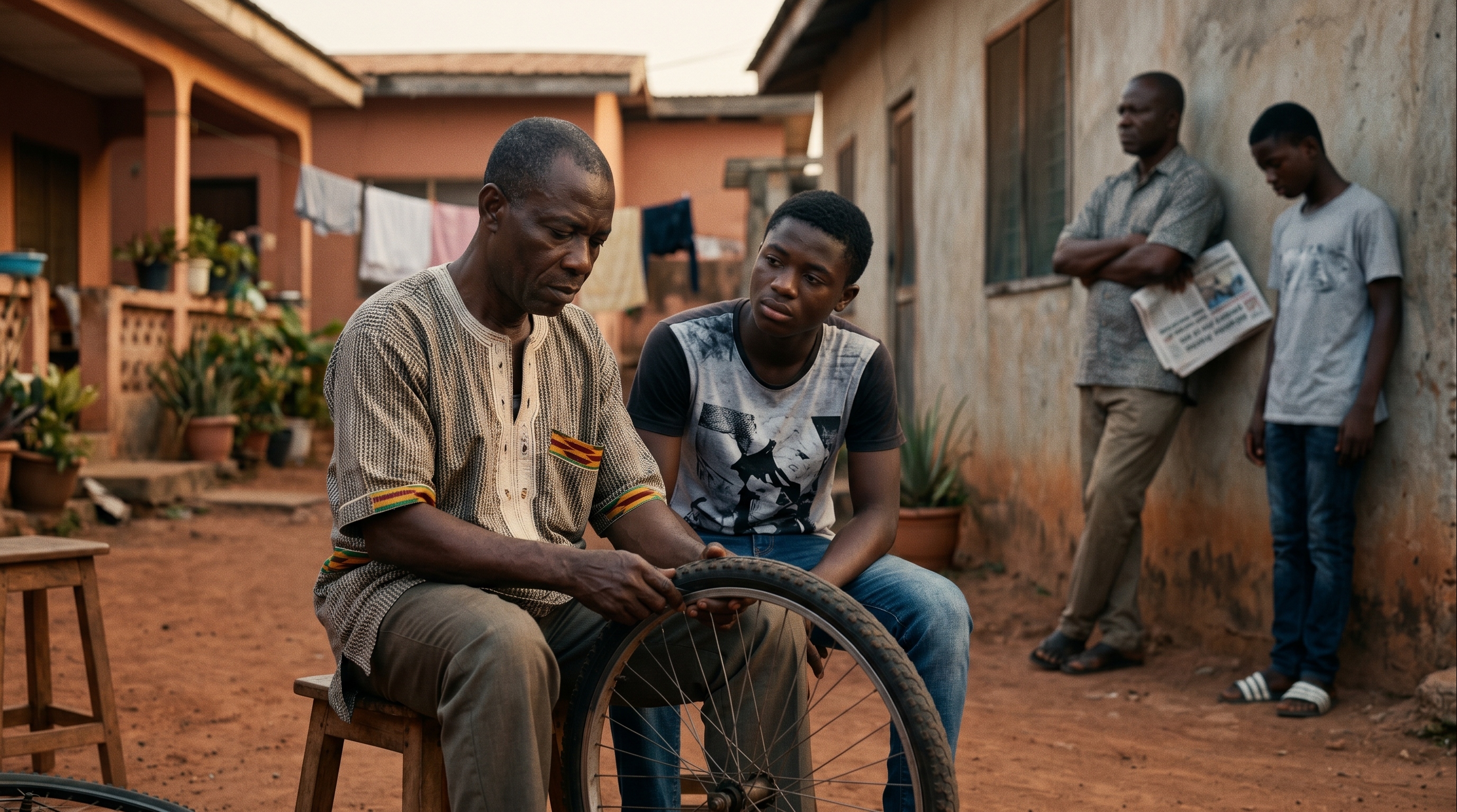
Many children grow up believing everything old should be replaced. A torn school bag, a loose toy wheel, a shirt missing a button; straight to the bin. Change that story at home.
Let your children see you mend small things, reuse jars, keep gift bags for another day, and turn leftovers into a fresh meal. When they grow up seeing items valued instead of discarded, they learn that usefulness matters more than newness.
This lesson saves money as well as waste.
2. Give Them Ownership of One Small Planet Job
Children love responsibility when it feels meaningful. Instead of giving long speeches about the environment, give them one simple job that belongs to them. It could be watering plants, checking taps are off, switching unused lights off each evening, or helping sort recycling.
A child who feels trusted often becomes proud of helping. Pride builds habits far better than nagging ever will.
3. Teach Them to Notice Beauty Others Ignore
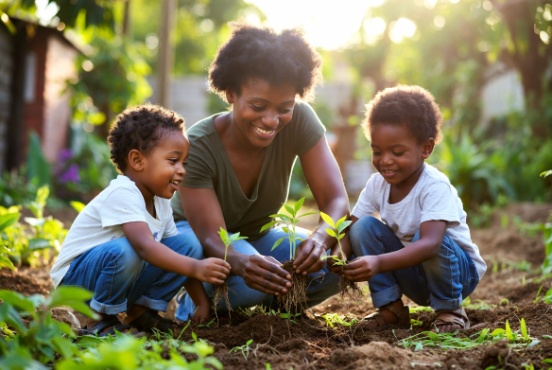
Eco-friendly children are often children who know how to notice things. The colour of leaves after rain. Ants carrying crumbs. A bird building a nest. The smell of soil after watering plants.
Slow down enough to point out these details. Children who notice beauty in ordinary nature often become adults who care when it is damaged.
4. Replace “Buy Me Something” Moments With Memory Moments
Many families spend money whenever boredom appears. A snack, a toy, another online order. Yet some of the greenest and happiest moments cost nothing.
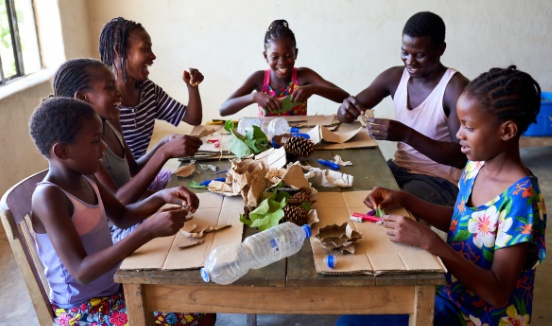
When your children are restless, bake together, walk outside, build a den with blankets, tell family stories, or create something from cardboard boxes. This way, they can slowly learn that joy can be created, not purchased.
5. Let Waste Be Visible
Children understand what they can see. If rubbish disappears instantly into a bin, it feels unimportant. Without being dramatic, let them notice how much waste a family creates in a week.
Show empty bottles, food scraps, wrappers, and boxes before disposal. Then talk about what could be reduced next time. When waste becomes visible, wiser choices often follow.
6. Praise Thoughtfulness More Than Perfection
If your child forgets to recycle once, it is not a failure. If they remember to refill their bottle, that is progress. Focus on what they are learning rather than catching mistakes.
Praise comments such as, “You remembered to reuse that container,” or “That was thoughtful of you not to waste food.” This is important because children often repeat what receives warm attention.
7. Build a Family Identity Around Care
Children respond strongly to identity. Instead of saying, “We must do this,” say, “In our family, we try to care for things.”
In our family, we do not waste food if we can help it. In our family, we respect animals. In our family, we use what we have first. This makes eco-friendly habits feel like belonging, not punishment.
8. Show Hope, Not Doom
Many children hear frightening messages about the planet. While honesty matters, fear alone can make children feel helpless. Balance concern with hope.
Tell them people plant trees, clean beaches, invent cleaner technology, and solve problems every day. Let them know small actions still matter. Children who feel hopeful are more likely to stay engaged and helpful.
In Conclusion
Raising eco-friendly children is not about creating a perfect household. It is about raising children who value care over waste, gratitude over greed, and thoughtfulness over carelessness.
They may not remember every lecture, but they will remember the parent who repaired things, noticed sunsets, reused what they had, and showed kindness to the world.
That is how greener generations are truly raised, quietly, daily, and without turning your home into a rule book.