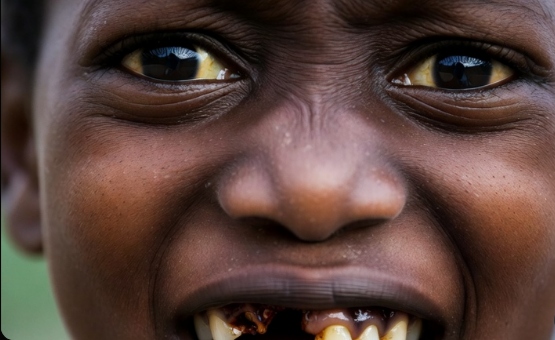

Let's be real. Malaria is not just a word in a health textbook, especially for many living in African countries. For millions of families, it's a lived reality consisting of late-night fevers, worried dashes to the clinic, missed school days, and sometimes, heartbreaking loss. Yet for all the danger it carries, malaria is largely preventable. Also, the parents who understand how to fight it are already halfway to winning.

This guide is not written in medical jargon. It's written the way a knowledgeable friend would speak to you, plainly, honestly, and with your child's life in mind. Whether your little one is a toddler or a teenager, these five principles will help you raise a child who is genuinely safe.
12 Hidden TB Triggers In Your Home
The 5 P's Framework
Here's how to build a malaria-safe home, one P at a time
The First P: Protection
Think of protection as the armour you put on your child before the battle begins. Malaria is spread through the bite of an infected female Anopheles mosquito, which means if the mosquito never bites, the disease never arrives. Simple as that.
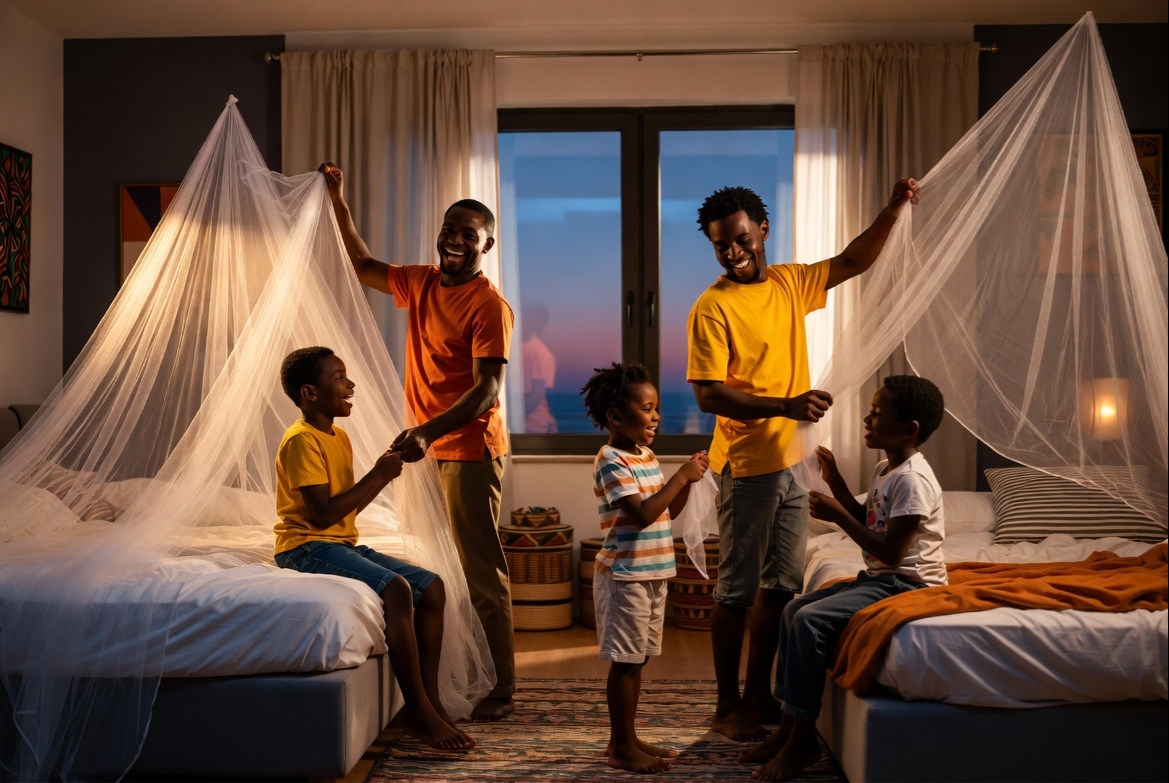
The first tool in your protection kit is a long-lasting insecticidal net (LLIN), sometimes called a bed net. When used correctly and consistently, bed nets reduce child malaria deaths by up to 50%. That is not a small number; that is a child's life. Make sure every sleeping space in your home is covered, including where your children nap in the afternoon.
Beyond bed nets, dress your children in light-coloured, long-sleeved clothing at dusk and dawn, the hours when mosquitoes are most active. Use mosquito repellents approved for children on exposed skin, and keep windows and doors screened. If you have the means, consider indoor residual spraying (IRS), where insecticide is applied to the walls of your home.
Protection is not a one-off action. It's a daily habit. Check nets for holes each week. Replace repellents when they run out. Make sure your child sleeps under the net every single night, not just when you remember.
The Second P: Prevention
If protection is the armour, prevention is removing the enemy's weapons before they can be used. Mosquitoes breed in stagnant water, and in most homes, stagnant water is far more common than we realise.
Look around your compound with fresh eyes. That upturned bucket? A breeding site. The blocked gutter? A nursery for mosquito larvae. The flower pot saucer with standing water? A danger spot. Empty, cover, or treat any container that holds water for more than three days. Once a week, do a sweep of your surroundings. Turn buckets upside down, fix drainage issues, and clear leaf piles where water gathers.
For your older children, prevention education is just as important as environmental action. Teach them why they should not play near stagnant pools at dusk. Help them understand that mosquitoes are most active between 6 pm and 6 am. Make prevention a topic in your household, not a lecture, but a normal conversation.
For infants and pregnant mothers, especially, preventive medication (known as chemoprevention) may be recommended by your doctor. In some regions, Seasonal Malaria Chemoprevention (SMC) is given to children between three and 59 months old during peak transmission season. Ask your healthcare provider if your child qualifies.
The Third P: Preparedness
Here's something no one tells you enough: the worst time to figure out what to do about malaria is when your child is already ill. Preparedness means thinking ahead, when everyone is calm and well, so that when a crisis arrives, you already know exactly what to do.
Start by knowing your nearest healthcare facility. Not just the name but the address, the route, the hours as well. Is there a children's ward? Can they carry out a rapid diagnostic test (RDT) for malaria? Write it down. Save the number. Tell every adult in your household where to find it.
Keep a small first-aid kit that includes a digital thermometer, oral rehydration salts (ORS), and a record of any medications your child has taken or is allergic to. If your doctor has given you a malaria emergency action plan, follow it and review it at the start of each rainy season when transmission risk is highest.
Preparedness also means being honest about your child's routine. Does your child travel to a rural area for the holidays? Is your child's school close to a marsh? Does your family visit relatives in a high-risk zone? Map these risks in advance and adjust your protection strategy accordingly.
The Fourth P: Prompt Care
When malaria does strike, and in high-risk areas, it sometimes will despite your best efforts; the speed of your response can be the difference between a full recovery and a tragedy. This is the principle that saves the most lives, and the one that is most commonly underestimated.
The key symptom to watch for is fever. A child with a temperature of 38°C or above, combined with chills, sweating, headache, vomiting, or general weakness, should be tested for malaria immediately, not tomorrow, not after the next dose of paracetamol. Now!
Do not wait for symptoms to worsen before seeking care. Malaria in children can deteriorate rapidly. Cerebral malaria, where the parasite affects the brain, can develop within hours of a child seeming merely unwell. The window for effective treatment is narrow, and it closes faster in young children.
At the clinic, a Rapid Diagnostic Test (RDT) can confirm malaria within 15 minutes. If the result is positive, artemisinin-based combination therapy (ACT) is the current recommended treatment. Ensure your child completes the full course, even if they begin to feel better after the first day. Stopping treatment early allows the parasite to survive and return, often stronger than before.
Never self-medicate with leftover tablets or local remedies without a confirmed diagnosis. Incorrect treatment wastes precious time and can cause harm. Test first, then treat, always.
The Fifth P: Practice
Knowledge without action is just information. Practice is where all four previous principles come alive and where they become permanent.
Children learn through repetition and example. If they see you checking the bed net every night, they will grow up thinking that's normal. If they hear you ask, "Did you put on repellent?" before going out to play, that question becomes instinct. Practice makes protection second nature, not a chore, but simply the way things are done in your family.
Create simple household routines. Before bed: check the net, close windows, and apply repellent if needed. Once a week, inspect your compound for stagnant water and check that nets are intact. At the start of the rainy season, restock supplies, review your emergency plan, and speak to your doctor about chemoprevention if appropriate.
Include your children in these routines as they grow. A five-year-old can learn to check if the net is tucked in. A ten-year-old can help spot water-holding containers in the garden. A teenager can understand fully why these habits matter and can look out for younger siblings. When your children understand the "why," they're far more likely to carry these habits into their own adult lives.
Practice also means staying informed. Malaria research moves quickly. New vaccines, updated treatment guidelines, improved diagnostics and the landscape is changing in your favour. Follow your national health authority's updates and speak regularly with your child's doctor. An informed parent is the most powerful weapon against malaria.
In Conclusion
Malaria is frightening, but it is not unstoppable. Every day, parents across the world make choices that keep their children safe, not because they have special resources, but because they have the right information and the will to act on it. That's you. That can be you.
Protect. Prevent. Prepare. Act promptly. Also, practise it every single day. That is how you raise a malaria-smart child and perhaps how you save a life that matters more to you than your own.