
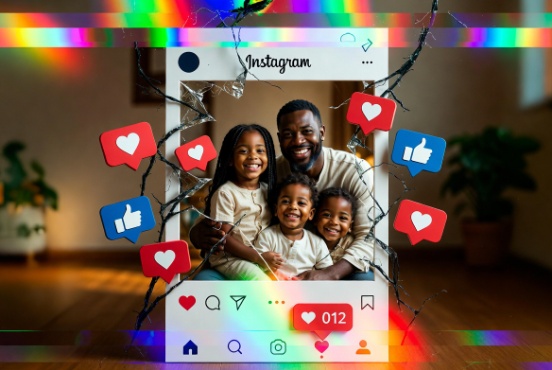
Scroll through social media and you will see smiling children, coordinated outfits, spotless homes, and parents who seem to have everything under control. Family content has become one of the most engaging and relatable forms of online storytelling. It connects people, inspires others, and even builds thriving businesses.

However, behind those beautiful posts is a quieter, more complicated truth. Many families are beginning to question what is really being traded for likes, views, and followers. Is it privacy, childhood innocence, or even the authenticity of family relationships? To understand this, you must look beyond the filters.
20 Unrealistic Expectations That Can Break A Marriage Before It Begins
When Children Become Content
Children are at the centre of family content, yet they are often the least consulted participants. From the moment they are born, their lives may be documented and shared online, sometimes in great detail. What starts as innocent sharing can gradually turn into a digital identity created without their consent.
As children grow older, they may begin to feel uncomfortable with how much of their lives has been made public. Some may question why certain moments were shared or feel embarrassed by content they had no control over. In this way, what was meant to celebrate them can slowly take away their sense of ownership over their own story.
The following are some hidden costs of social media on family life, with more emphasis on the children.
1. The Loss of Privacy
Every post tells a story, but it also reveals information. Details such as a child’s school uniform, daily routines, or even their favourite places can become visible to strangers. Over time, these small pieces of information can build a clear picture of a child’s life.
This loss of privacy is not always obvious at first. Parents may feel they are simply sharing with friends or a trusted audience, but the internet rarely keeps content contained. Once something is posted, it can be saved, shared, or misused by people far beyond the intended audience. This makes privacy not just a personal choice, but a long-term responsibility.
2. Pressure to Perform “Perfect” Parenting
Social media often rewards content that looks polished and ideal. As a result, many parents feel pressure to present a version of family life that appears calm, organised, and joyful at all times. However, real family life is rarely this perfect.
This pressure can lead parents to focus more on how their lives appear rather than how they actually feel. Moments that should be enjoyed naturally may become staged or carefully edited. Over time, this can create emotional strain, as parents try to live up to an image that is difficult to maintain in reality.
3. Turning Family Life into a Business
For some families, sharing content online becomes a source of income. Partnerships with brands and sponsored posts can turn everyday family moments into business opportunities. While this can be rewarding, it also introduces ethical questions, especially when children are involved.
Children may become central to content that generates money, yet they may not fully understand their role in it. Their daily lives can begin to revolve around content creation, which may affect their sense of normalcy. In such cases, it becomes important to consider whether the child’s well-being is truly the priority.
4. Emotional Impact on Children
Growing up in a digital spotlight can shape how children see themselves. When they are constantly being filmed or photographed, they may begin to associate their value with how others respond to them online. Positive comments can feel rewarding, while negative reactions may affect their confidence.
Later on, children may feel pressure to act in ways that attract approval. They might begin to perform rather than simply be themselves. This can make it harder for them to develop a strong sense of identity, as their self-image becomes tied to public perception.
5. The Risk of Exploitation
One of the most concerning aspects of sharing family content is the risk that it may be misused. Not everyone who views such content has good intentions. Images and videos can be copied, altered, or shared in inappropriate ways without the family’s knowledge.
Even when parents believe they are being careful, the open nature of the internet makes it difficult to control how content is used. This creates a level of vulnerability that is often underestimated, but it is one that deserves serious attention.
6. Blurred Boundaries Between Real and Online Life
As more aspects of family life are shared online, the boundary between what is private and what is public can begin to fade. Special moments such as birthdays, holidays, or even emotional experiences may become content before they are fully lived.
This shift can affect how families experience their own lives. Instead of focusing on the moment itself, there may be a tendency to think about how it will appear to others. Therefore, this can reduce the authenticity of those experiences, making them feel less personal and more performative.
7. Comparison and the “Highlight Reel Effect”
Family content does not only affect those who create it; it also impacts those who consume it. When people see carefully curated images of happy families, it is easy to compare them with their own everyday realities.
This comparison can lead to feelings of inadequacy or self-doubt. Parents may begin to question their own abilities or feel that they are not doing enough. However, what they are comparing themselves to is often a selective version of reality, not the full picture.
8. Digital Footprints That Last Forever
One of the most lasting consequences of sharing family content is the creation of a permanent digital record. Photos, videos, and personal stories can remain online for years, sometimes indefinitely.
As children grow older, they may find that parts of their childhood are still accessible to others. Moments that were once private may resurface in unexpected ways. This permanence makes it important to think carefully about what is shared, as the impact can extend far into the future.
Finding a Healthier Balance
Despite these concerns, social media can still be a positive space for families when used thoughtfully. It can offer connection, support, and a sense of community. The key lies in finding a balance that respects both the benefits and the risks.
Parents can begin by being more intentional about what they share and why they share it. By focusing on meaningful moments rather than perfection, and by respecting your child’s need for privacy, it is possible to create a healthier relationship with social media. Sometimes, the most valuable moments are the ones that remain private.
Conclusion
Family life is deeply personal, filled with moments that shape who we are. While social media can help us connect and share, it should never come at the cost of a child’s well-being or sense of self.
In the end, it is worth pausing before posting and asking whether the moment is meant to be shared or simply experienced. Because beyond the screens and the likes, what truly matters is the bond within the family itself.