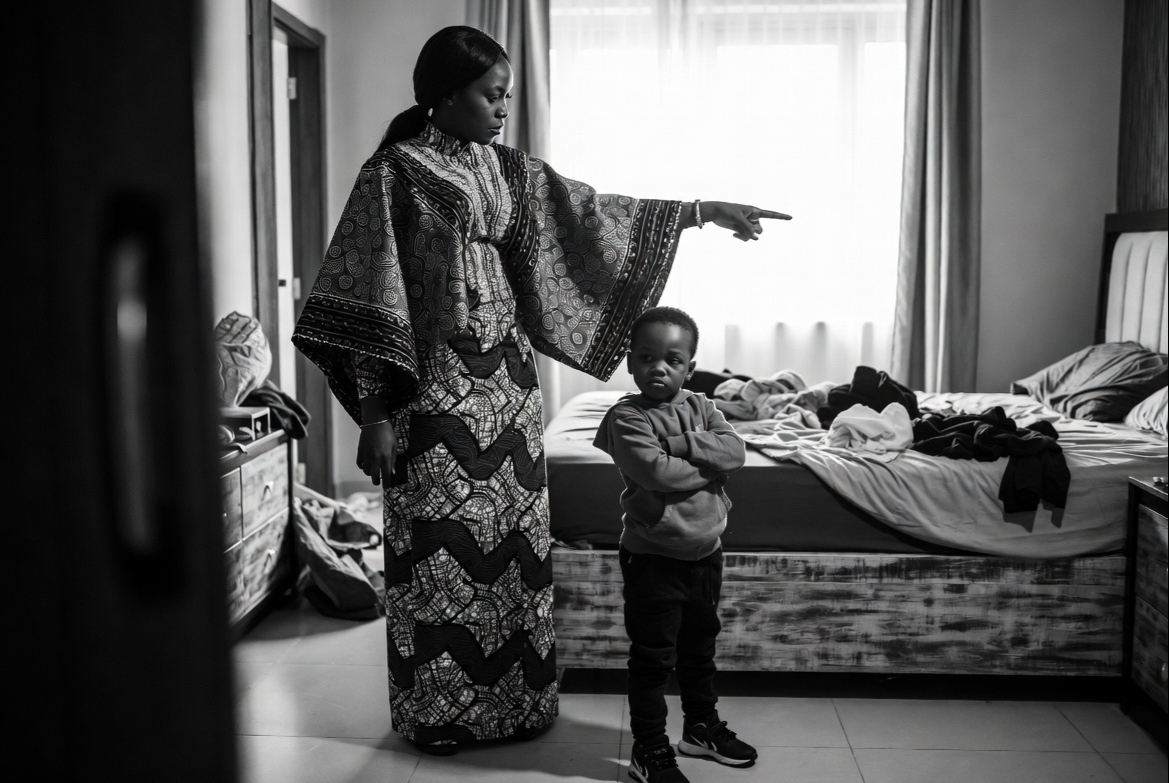


That afternoon when your son barged into his sister's room without knocking, grabbed her phone to check a game score, and she exploded in tears! Or the time he "playfully" wrestled her a bit too hard during family time, and you wondered if it was just sibling roughhousing or something that needed addressing? In compounds and homes, brothers and sisters grow up sharing everything — from plates of rice to the single fan in a hot room.

But without clear talks about boundaries, innocent interactions can slide into resentment, discomfort, or worse. Teaching your sons to understand and respect boundaries with their sisters isn't about making them soft or overly cautious. It's about raising men who protect, honour, and build strong relationships — with sisters first, then with girlfriends, wives, and daughters later.
These 15 Practical Tips Prevent Toxic Competition Between Your Kids
In our culture, where family loyalty runs deep and gender roles still carry weight, these lessons blend respect for elders with modern wisdom that keeps everyone safe and close. Here are 15 real benefits that make the effort worthwhile.
1. It builds genuine respect between siblings.
Sons learn that a sister's "no" or "stop" isn't a challenge — it's her right. This reduces constant fights over toys, space, or attention. Instead of power struggles, you get siblings who actually enjoy each other's company more. In extended family settings, this respect spills over to cousins and female relatives too.
2. It protects sisters from feeling unsafe at home.
Many girls grow up with brothers who mean no harm but don't realise when teasing crosses into invasion of privacy or physical overstep. Clear boundaries create emotional safety, so sisters don't withdraw or carry quiet resentment into adulthood. Home becomes the first place a girl feels truly valued.
3. It teaches sons consent early and naturally.
Starting with "Ask before touching her things" or "If she says stop tickling, you stop" lays the foundation for understanding consent in all relationships. This isn't heavy lectures — it's practical moments during play or chores. Boys who get this young become men who listen in marriages and friendships.
4. It reduces sibling conflict and household tension.
When everyone knows the rules — no barging into rooms, no taking without asking, no rough play that hurts — fights drop. Parents spend less time refereeing and more time enjoying family time: This peace is gold.
5. It strengthens long-term sibling bonds.
Sisters who feel respected by brothers often stay closer as adults — offering support during tough times like financial struggles or family events. Brothers gain lifelong allies instead of distant relatives. Where siblings help each other "hustle" or care for aging parents, this bond compounds.
6. It helps sons develop emotional intelligence.
Recognising when a sister needs space or feels uncomfortable builds empathy. Boys learn to read emotions beyond "she's crying, fix it." This skill serves them well in school, work, and future relationships, making them better partners and fathers.
7. It prevents escalation to harmful behaviours.
Unchecked roughhousing or boundary-pushing can normalise aggression or entitlement. Early teaching lowers risks of sibling bullying or worse. Families who address this openly create homes where everyone feels accountable, not just the girls.
8. It prepares sons for healthy romantic and work relationships.
The way a boy treats his sister often previews how he'll treat girlfriends or female colleagues. Respecting boundaries at home translates to knowing when to give space, ask permission, or back off in adult life — reducing future heartaches or misunderstandings.
9. It empowers sisters to speak up confidently.
When sons respect boundaries, girls learn their voice matters. They practise saying "no" safely at home, which builds confidence against peer pressure or unwanted advances outside. In a culture that sometimes expects girls to endure quietly, this is empowering without rebellion.
10. It models equality and fairness for the whole family.
Both parents, mums and dads, showing that boys don't automatically get more leeway teaches everyone respect. Dads especially have huge influence here: when sons see their father honouring mum's and sisters' space, it sticks. It challenges old "golden son" patterns gently.
11. It improves overall family communication.
Talking about boundaries opens doors to deeper chats about feelings, privacy, and needs. Kids learn to express discomfort without shouting or sulking. In homes where money or stress already strains nerves, this skill prevents small issues from blowing up.
12. It builds sons' self-respect and self-control.
Boys who understand boundaries learn discipline — not through fear, but through understanding impact. They feel proud of being "the kind of brother who protects." This confidence helps them handle peer pressure or societal expectations of masculinity better.
13. It creates safer spaces in shared living realities.
In homes with limited rooms or open compounds, physical and emotional privacy is tricky. Teaching boundaries like knocking, asking, respecting "my side of the bed" makes crowded living more harmonious and reduces resentment over shared resources.
14. It supports mental and emotional health for everyone.
Sisters avoid carrying trauma or low self-worth from home experiences, just as sons avoid guilt or defensiveness later in life. Families report less anxiety around gender dynamics, leading to warmer relationships and better handling of life challenges together.
15. It leaves a positive legacy for the next generation.
Your sons grow into uncles, husbands, and fathers who teach their own kids the same respect where as more women work, pursue education, and expect equality, breaking cycles of entitlement or silence. It honours our value of strong family while adapting wisely.