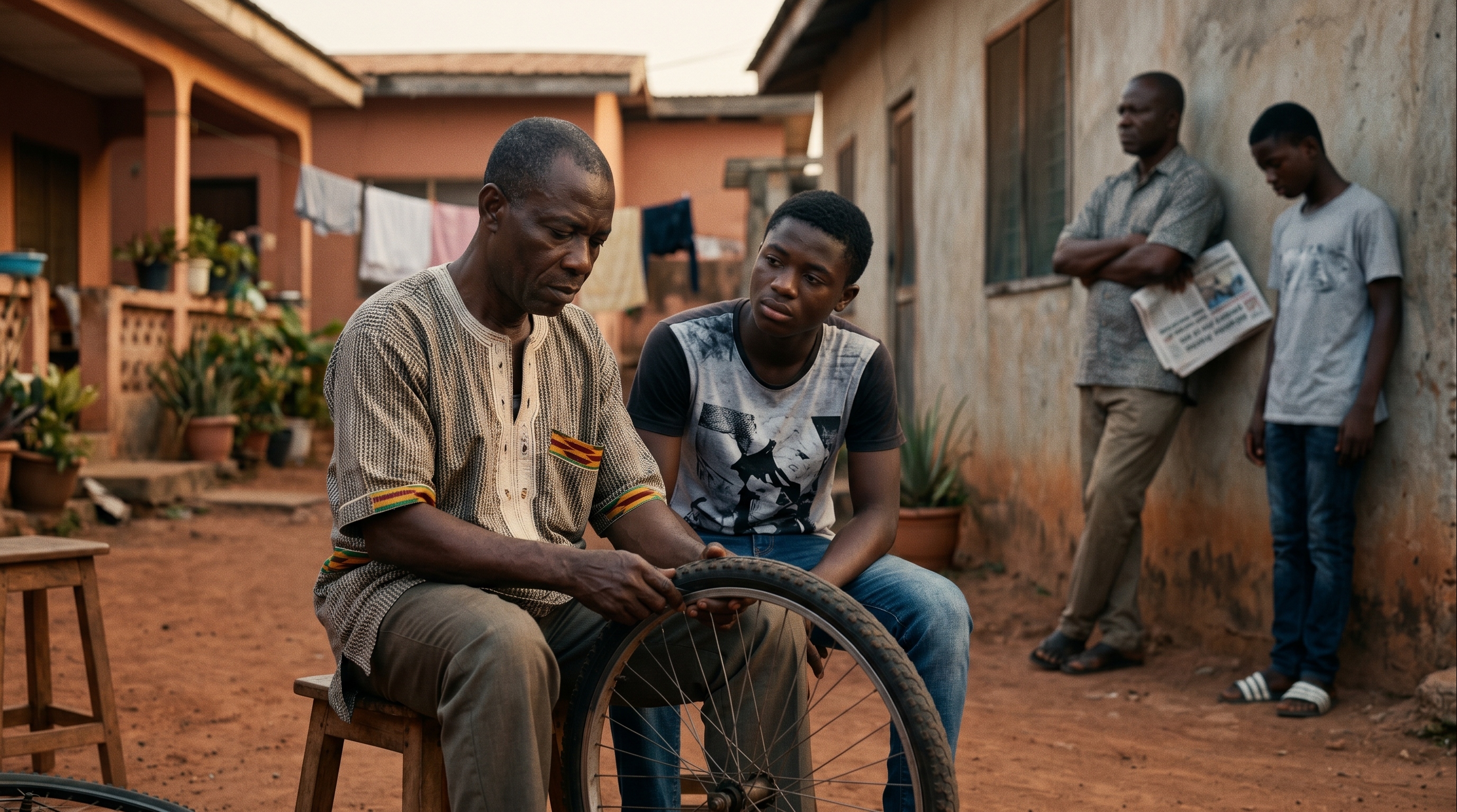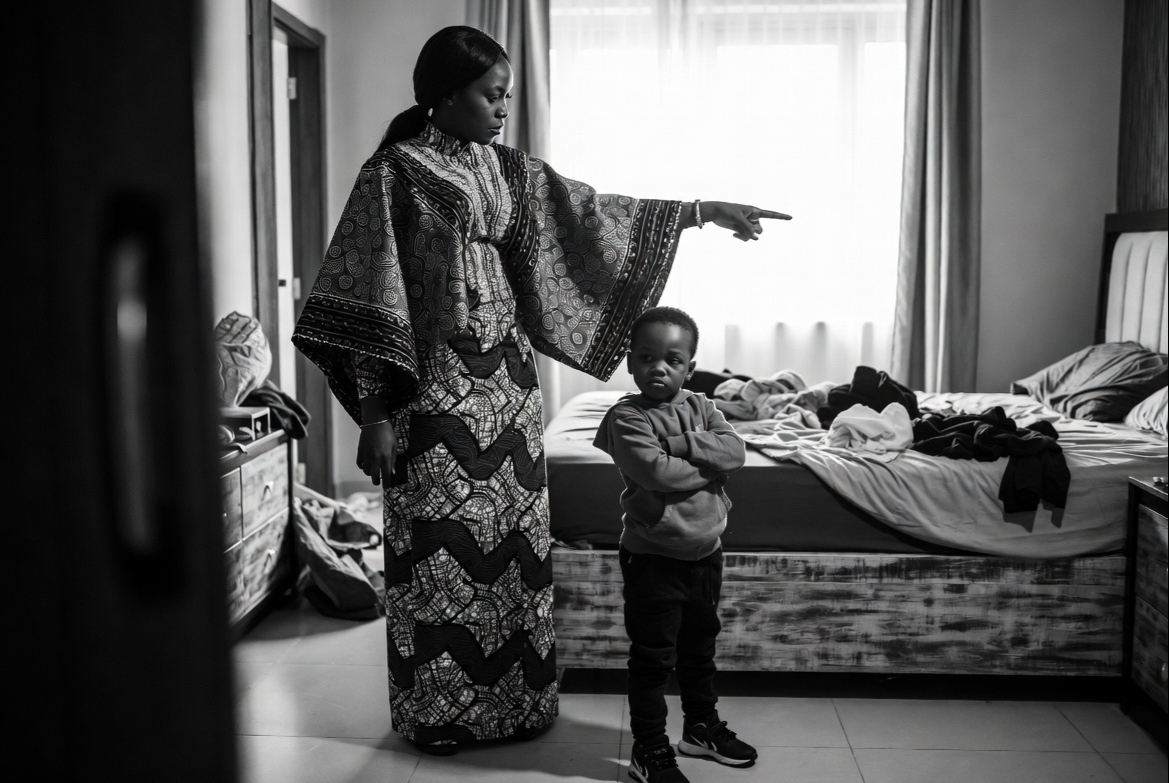

The older one just aced a maths test, the younger one missed the mark, and suddenly the air got thick with "But you always praise him more!" Or that weekend when both wanted the same remote control for the TV, and it escalated into tears, accusations, and you feeling caught in the middle while trying to cook dinner with one eye on the generator fuel.
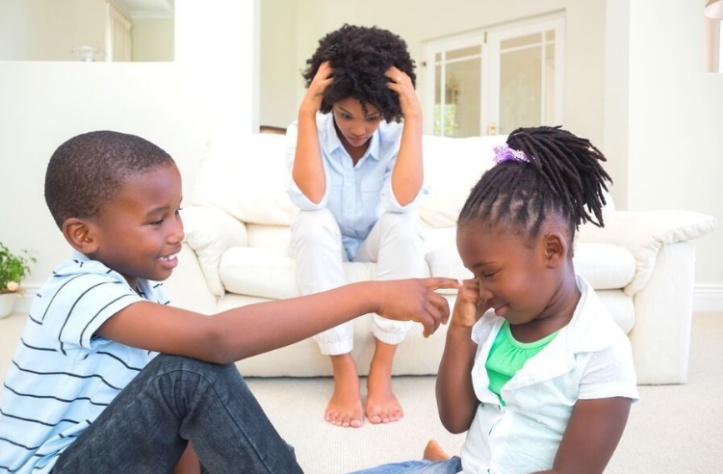
In many homes, where extended family, school rankings, church testimonies, and "first to buy land" stories run deep, healthy competition can push kids to hustle harder. But when it turns toxic, it breeds resentment, low self-worth, and fractured bonds that linger into adulthood. The good news? You can steer it toward teamwork without pretending rivalry doesn't exist.
Here Are 10 Insights Why Your Kids Experience Illness Differently
Here are 15 practical actions that real families use. No perfect home required but just consistent, small steps that fit busy lives with traffic, school runs, and tight budgets.
1. Stop all direct comparisons out loud and in your head.
The quickest fuel for toxicity is "Why can't you be more like your sister?" Even positive versions plant seeds of "I'm not enough." Challenge: Notice when you do it (we all slip). Practical Tip: Describe what you see in one child only. This builds individual pride without pitting them against each other.
2. Celebrate unique strengths without ranking.
One child might shine in academics, another in football or drawing. Practical Tip: Make a family "strength wall" where each adds what they're good at. Insight: Kids feel seen when their talents get airtime equally. In homes where firstborns often carry extra expectations, this levels the emotional field.
3. Create shared family goals instead of head-to-head contests.
Turn "who finishes homework first" into "let's all finish by 7 so we can play Ludo together." Shared wins build "us" thinking. Practical tip: Use a jar for family points toward a small treat. Competition stays fun when it's collective.
4. Give one-on-one time without making it equal in minutes.
Fairness isn't identical treatment, it's meeting each need. Practical Tip: Schedule short, dedicated slots: 15 minutes reading with the little one, a walk with the teen. Challenge addressed: The feeling of "Mummy loves him more." Kids who get undivided attention compete less for it.
5. Teach them to cheer for each other explicitly.
Practical Tip: When one scores a goal, have the sibling say "Well done!" out loud. Role-play scenarios during calm moments. In families where respect for elders is big, extend that to "respecting each sibling's wins." It rewires the brain from envy to support.
6. Set clear, consistent house rules around conflict.
Practical Tip:No name-calling, no physical stuff, no bringing up past mistakes to win arguments. Involve older kids in making the rules so they own them. When fights break out, pause play and enforce calmly. This prevents small rivalries from escalating into ongoing grudges.
7. Avoid labeling kids with fixed roles.
"The smart one," "the troublesome one," "the quiet one" — these stick and breed competition for different labels. Pratical Tip: Use temporary descriptions — "Today you're showing great patience." It keeps identities fluid and reduces the need to outdo a "role."
8. Encourage individual hobbies and separate spaces when possible.
Practical Tip: Shared rooms or toys are normal in many homes, but give each a small "mine" corner — a box of special books or drawing things. Sign them up for different activities if budget allows (one does dance, one does coding club). Independence lowers constant comparison.
9. Address jealousy head-on with empathy, not dismissal.
Practical Tip: When one says "It's not fair," sit with it: "I hear you feel left out — tell me more." Then guide: "Your brother's win doesn't take from yours." This validates feelings without fueling fights. Many parents skip this step and resentment builds quietly.
10. Involve them in helping each other.
Practical Tip:Older helps younger with a skill (tying shoelaces, simple sums), younger teaches something fun (a dance move). In extended family settings where big siblings often supervise, frame helping as strength, not burden. It builds empathy and positive bonds.
11. Monitor your own stress and money talks carefully.
Financial pressure can leak out as "Study hard so you don't suffer like us." Kids internalize and compete to "save" the family. Practical Tip: Have age-appropriate money chats that focus on effort and teamwork, not survival rankings. Your calm models healthy striving.
12. Praise effort and process more than outcomes.
Practical Tip: Instead of "You came first!" say "I saw how you kept practicing even when it was hard." This shifts competition from beating siblings to personal growth. In school-obsessed environments, it reduces the sting of different results.
13. Create family traditions that emphasize unity.
Practical Tip: Weekly "no-competition night" — board games where cheating is encouraged for laughs, or storytelling where everyone adds to the tale. During holidays or family visits, highlight collective stories: "Remember when we all survived that harmattan fever together?"
14. Watch for early signs of toxicity and intervene early.
Constant put-downs, exclusion, or one always dominating—these aren't "normal sibling stuff" forever. Practical Tip: Separate them briefly, talk privately, and if needed, seek a trusted counselor or pastor for neutral ground. Early action prevents adult estrangement.
15. Model healthy competition in your own life.
Practical Tip: Show how you and your partner support each other's goals without tearing down. Talk about your own siblings positively when possible, allowing your kids to copy what they see. In marriages where one partner feels overshadowed, addressing it openly teaches kids balance.