
Every parent hopes to raise a child who becomes kind, confident, and responsible. We teach children how to read, how to greet people politely, how to share with others, and how to stay safe. Yet one of the most valuable lessons that is sometimes ignored is the lesson of consent and respect.
Many people assume these are topics only for teenagers or adults, but that is far from the truth. Consent simply means understanding permission, respecting boundaries, and recognising that every person has a right to their own body, feelings, and personal space. These are ideas that your children can begin learning from their earliest years.
Eight Hidden Costs of Family Life On Social Media
When your children understand consent and respect while they are still young, they grow into people who know their worth. They are more likely to build healthy friendships, communicate clearly, and avoid harmful behaviour. They also become better at recognising when something feels wrong and speaking up with confidence. Teaching these values does not make their childhood complicated. Instead, it gives your children tools that will help them throughout life.
What Consent Means for Children
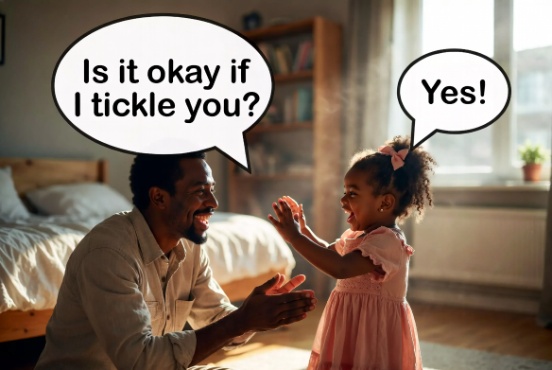
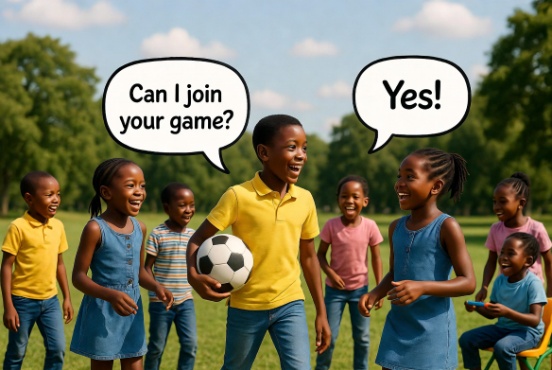
You can explain consent to your children in very simple ways. It means asking before hugging someone, borrowing a toy, or touching another person’s belongings. It also means understanding that when someone says no, that answer should be respected.
These small lessons may seem ordinary, but they form the basis of healthy behaviour. A child who learns to hear and respect the word no today is more likely to respect others as an adult. They also begin to understand that their own no matters too.
Why Respect Must Begin at Home
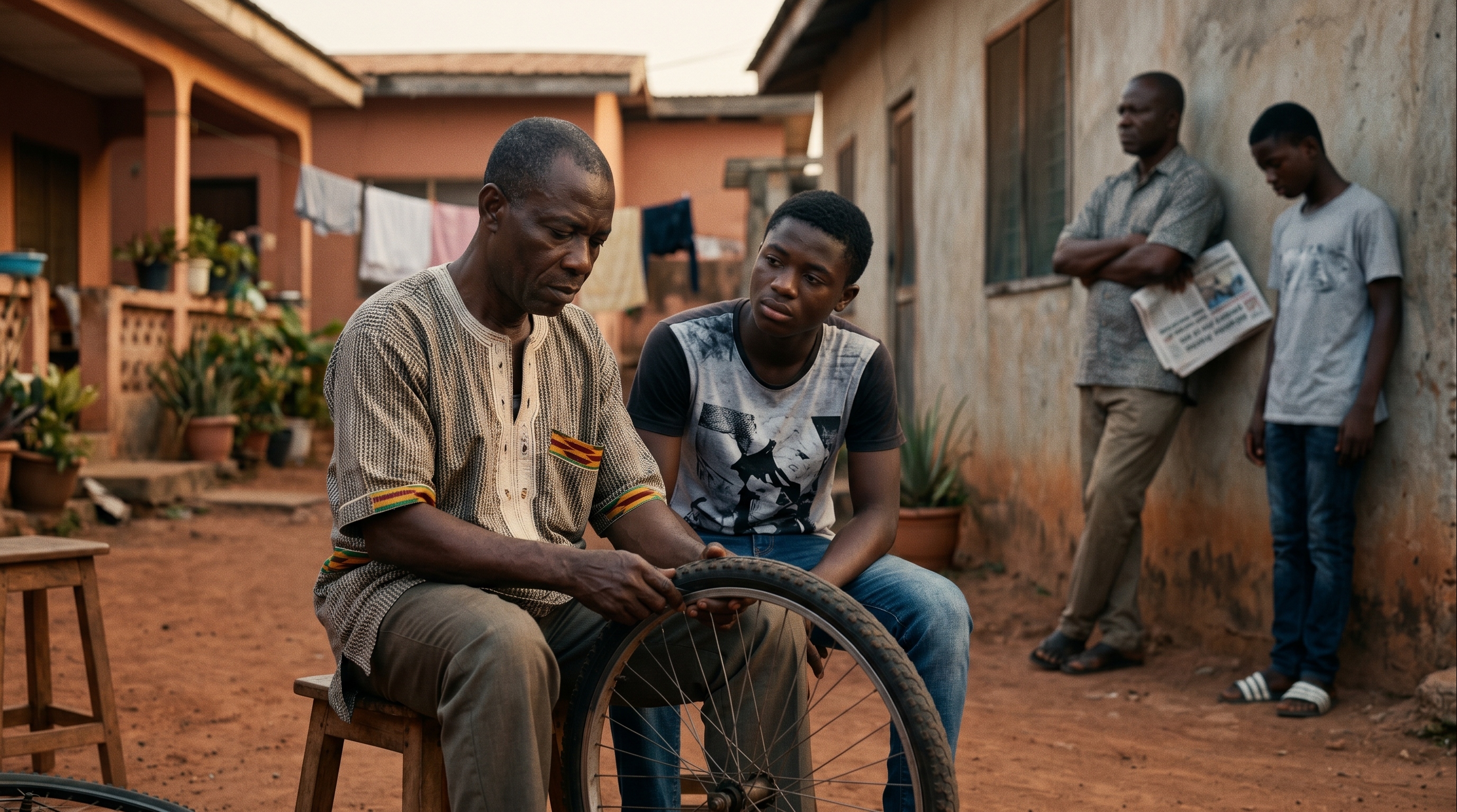
Children learn more from what they observe than from what they are told. If they grow up watching constant shouting, mocking, or controlling behaviour, they may begin to believe that such treatment is normal.
On the other hand, when they see their parents listening to one another, speaking kindly, apologising after mistakes, and showing patience, they learn that respect is strength. The atmosphere of a home often becomes the model children carry into the world. A respectful home raises respectful people.
The following are some of the important lessons that you can catch them young on.
1. Teaching Body Autonomy Early. Children need to know that their bodies belong to them. This can be taught gently and naturally. If a child does not want to hug a visiting relative, there is no need to force them. They can be encouraged to wave, smile, or greet politely in another way.
This does not create rude children. Instead, it teaches them that affection should be given freely, not demanded. It also helps them understand that others deserve the same freedom over their own bodies.
2. Help Your Children Use Their Voice. Many children are raised to obey instantly and remain silent, but silence should never replace confidence. Your child needs to know that they can say when something makes them uncomfortable. They should feel safe saying phrases such as, “Please stop,” “I don’t like that,” or “I need space.”
These simple words can protect them in school, on the playground, and later in adult life. A child who knows how to speak up is less likely to be easily controlled by unhealthy people.
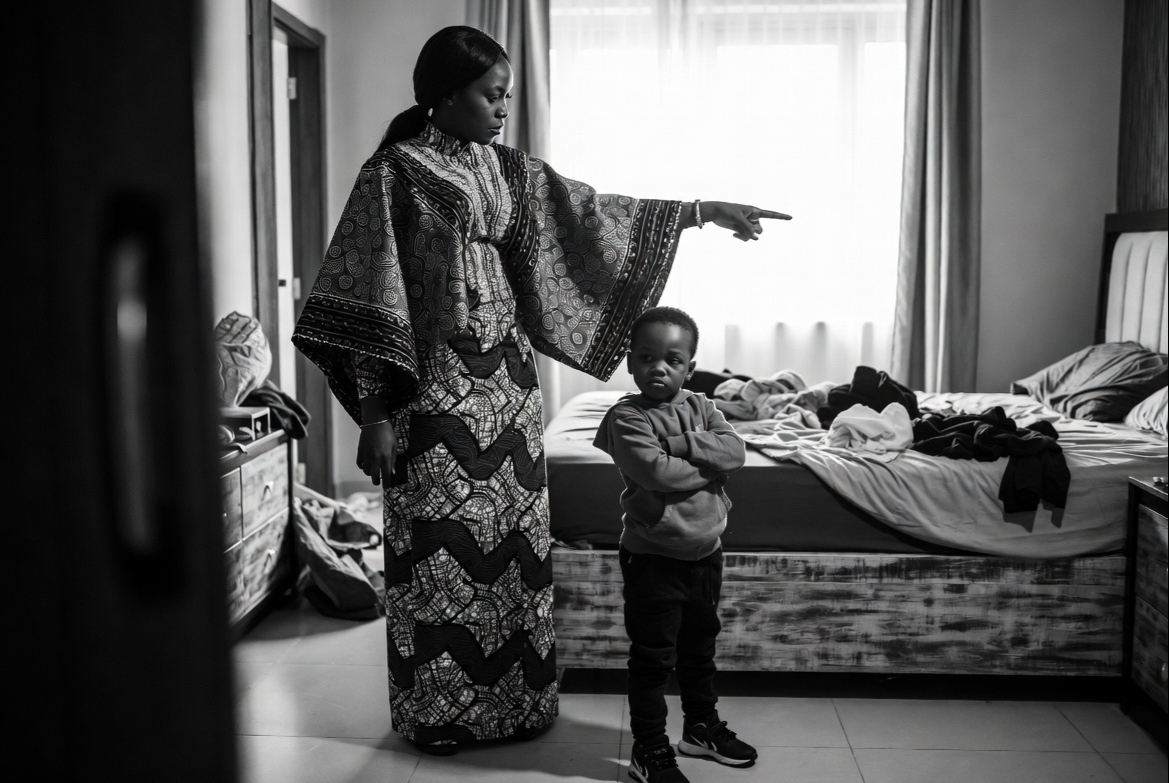
3. Teach Respect for Other People’s Boundaries. Children must also learn that their own wishes do not come before another person’s comfort. If they grab toys, invade someone’s space, or continue rough play after being asked to stop, your should guide them calmly.
Teach them to ask first, to listen when others say no, and to notice how other people feel. In this way, your children begin to develop empathy. They learn that everyone has emotions, limits, and the right to be treated kindly.
4. Stop Laughing at Poor Boundaries. Sometimes adults laugh at behaviour that should be corrected. A boy chases a girl who says, "stop," and people call it cute. A child keeps hitting another child during play, and adults dismiss it as harmless fun. At other times, relatives force kisses or hugs while everyone laughs.
Though these moments may seem small, they send strong messages. They teach children that no does not matter and that discomfort should be tolerated to keep others happy. As adults and parents, you must be careful what behaviour you normalise.
5. Teach Boys and Girls Equally. Both boys and girls need these lessons equally. Boys should learn that kindness, listening, and self-control are signs of real strength. Girls should learn that their voices matter and that their boundaries deserve respect.
Most importantly, both should understand that no one is superior because of gender. Healthy future marriages, friendships, and workplaces are built on these truths.
6. Use Everyday Moments to Teach. The good news is that teaching consent and respect does not require long lectures. Every day, life provides enough opportunities. When siblings argue over toys, teach them to take turns and ask permission. When your child interrupts someone speaking, teach patience and listening.
When they hurt someone, teach apology and repair. When they say no to tickling, stop immediately. These repeated moments shape character more than speeches ever could.
Benefits of Teaching Respect and Consent Early
Children raised with consent and respect often grow into adults who communicate better, choose healthier relationships, resist abuse, honour boundaries, and show empathy. They usually carry stronger self-worth because they were taught from an early age that their feelings matter and that others matter too.
These are life skills that benefit them in friendships, marriage, work, and parenting their own children one day.
Many adults grew up in homes where children had no voice and boundaries were ignored. That past does not have to become the future. You can choose a different path for your family.
You can learn alongside your children, apologise when necessary, and create the kind of home you once needed yourself. Change often begins with one parent, you, deciding to do better.
Final Thoughts
Teaching consent and respect from a young age is not a trend. It is wise parenting. It prepares your children for real life by giving them dignity, confidence, empathy, and safety.
A child who learns that their voice matters often becomes an adult who refuses mistreatment. A child who learns that other people matter too becomes an adult who brings peace wherever they go. This is how stronger families and healthier societies begin.